Hvar and Brač sit just off Croatia’s Dalmatian coast, both within easy reach of Split, yet they offer noticeably different types of holiday. So, which Croatian island is right for you? This guide compares Hvar and Brač by beaches, sightseeing, atmosphere, activities and transport, helping you choose the better fit for your trip.
Hvar and Brač at a glance
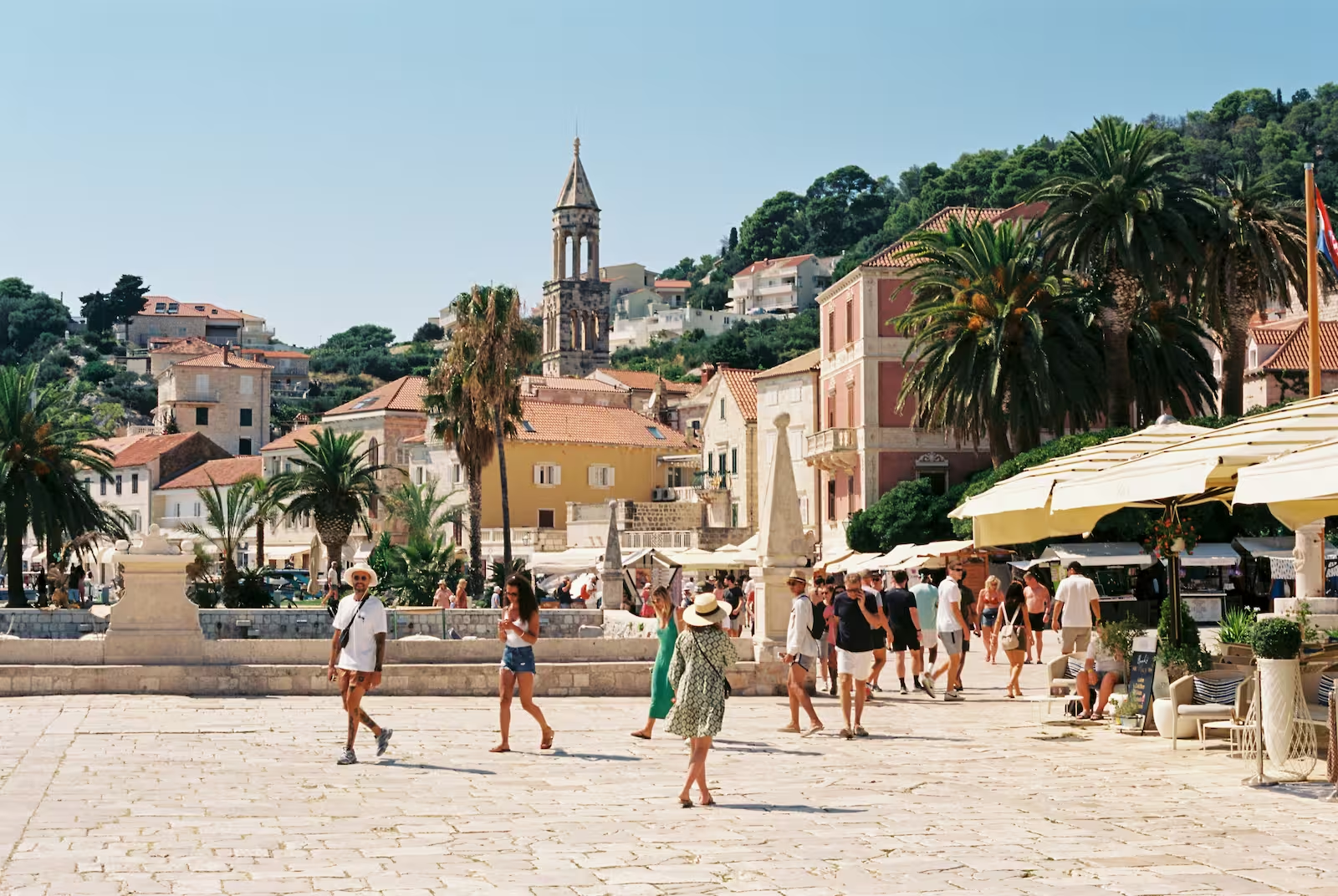
Hvar works particularly well if you want a holiday where sightseeing, swimming and evenings out can all fit into the same day. Hvar Town is the island’s best-known base, with a historic centre, waterfront restaurants and bars, while nearby water taxis make it easy to spend a day exploring the Pakleni Islands
Brač feels more spread out. Bol on the south coast is the obvious choice for beach time and water sports, Supetar is the island’s main ferry gateway, while places such as Pučišća and smaller coastal settlements reward travellers willing to explore. Its attractions range from Zlatni Rat beach to mountain walks, traditional stonework and the remote Blaca Hermitage.
In simple terms, choose Hvar for a livelier, more walkable stay with easy boat trips. Choose Brač for beaches, outdoor activities and road trips around a larger collection of towns and villages.
Why choose Hvar?
Stay in Hvar Town and you can spend the morning looking around historic buildings, swim in the afternoon and head out for dinner or drinks without needing a car. The waterfront is a hub for restaurants, boats and evening activity. Hvar also has one of the more established nightlife scenes among Croatia’s islands, including waterfront bars and beach clubs reached by short boat rides.
That reputation sometimes makes Hvar sound as though it is only a party destination, but that misses much of the island. Stari Grad offers a calmer base with centuries of history, while the surrounding Stari Grad Plain is a UNESCO World Heritage Site whose agricultural landscape has preserved patterns of vineyards, olive cultivation and stone divisions dating back to Greek colonisation in the fourth century BC.
Best things to see in Hvar
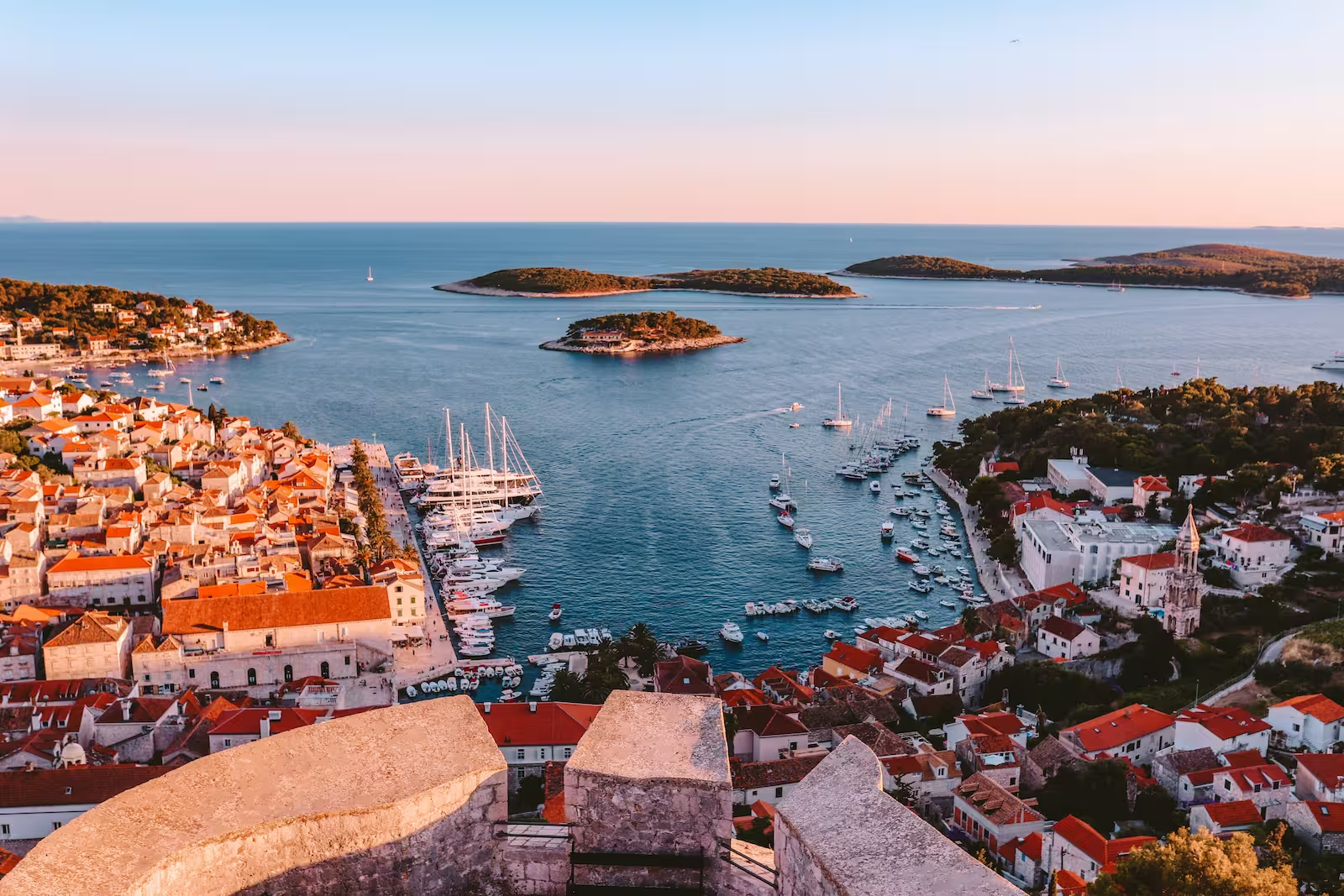
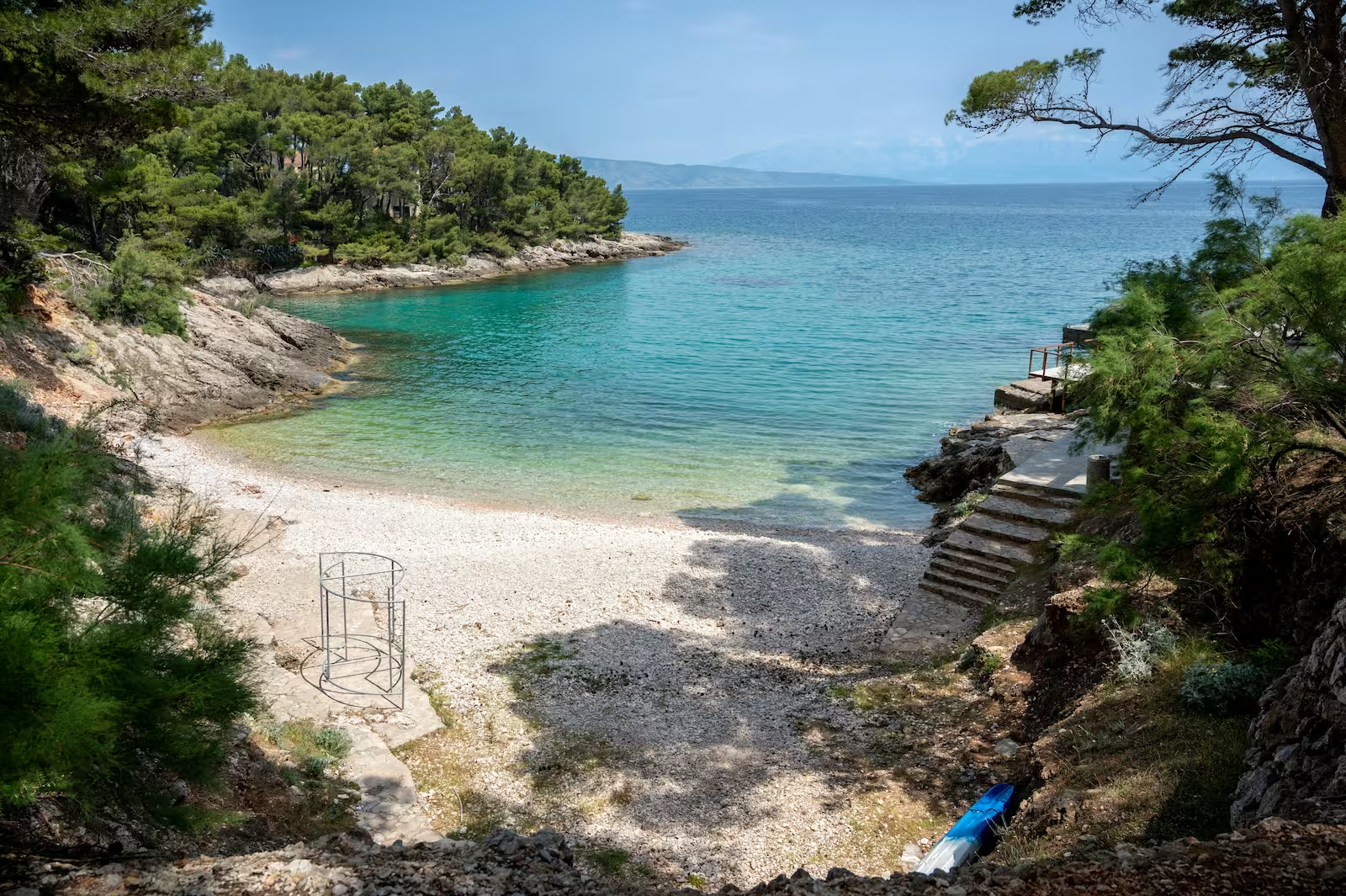
Anyone researching the things to see in Hvar should start above Hvar Town at Fortica Fortress. The fortress forms part of the town’s historic defensive system and overlooks the harbour and Pakleni Islands. Back at street level, St Stephen’s Square, the cathedral, Franciscan Monastery and the Arsenal can easily be combined on foot.
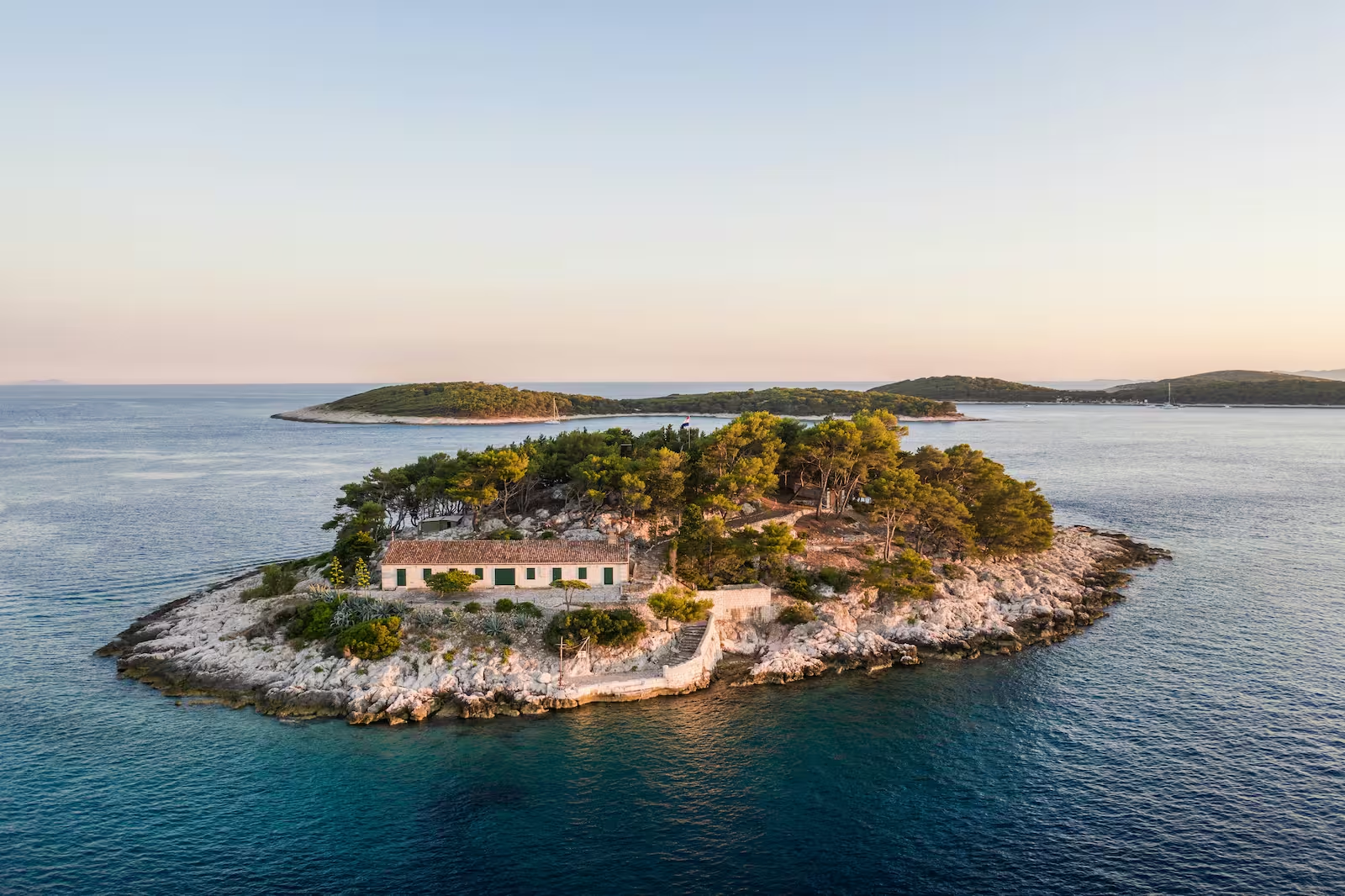
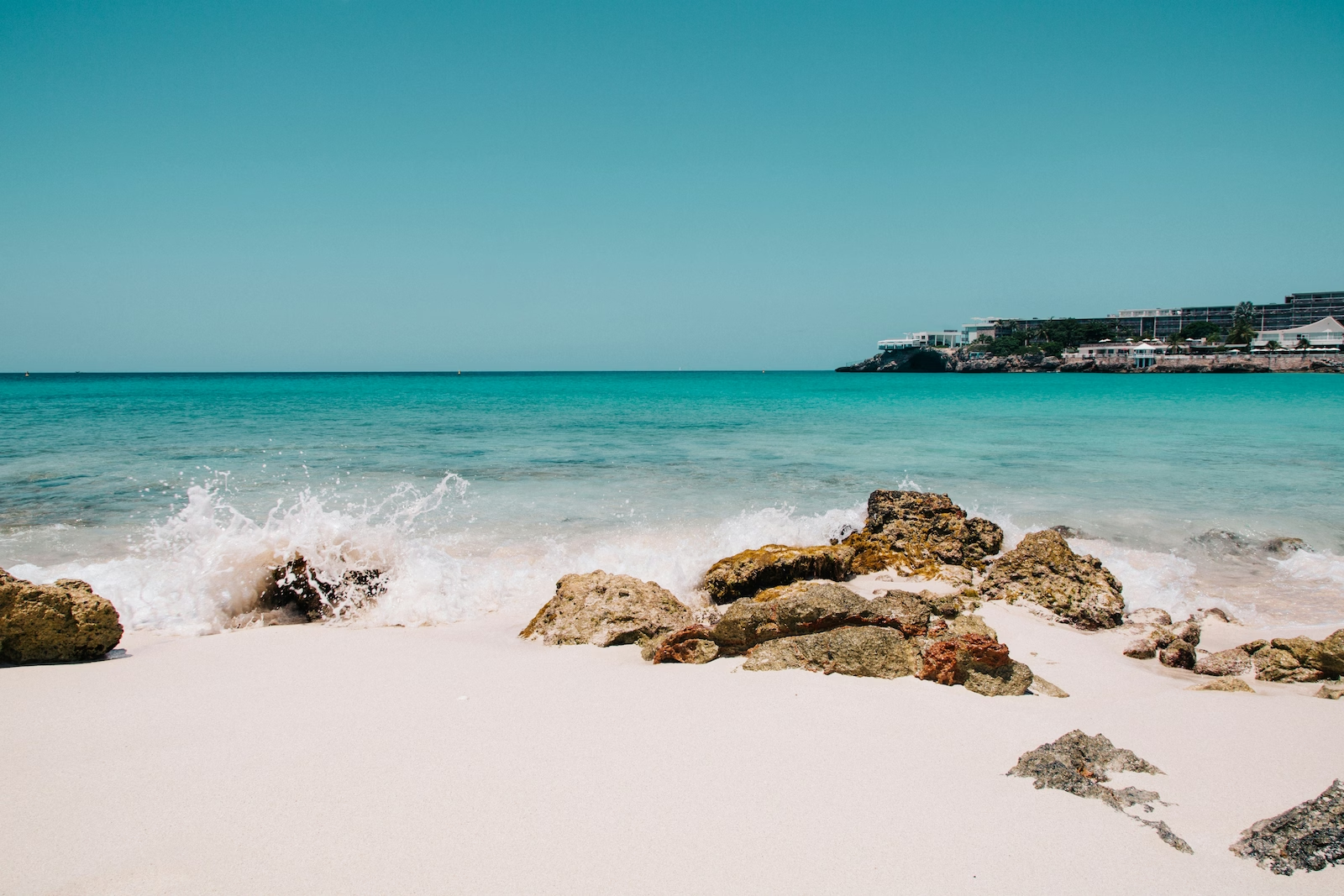
Then there are the Pakleni Islands. Water taxis run from Hvar Town to this small archipelago, where visitors can swim, kayak, eat by the water or simply spend the day hopping between bays. Hvar’s beaches are predominantly pebble or rocky rather than long stretches of sand, so swimming shoes can be useful.
Hvar therefore suits travellers who want more than a beach holiday without having to plan every day around transport.
Why choose Brač?
Brač makes a convincing case for travellers whose ideal island trip involves swimming, hiking and exploring different towns rather than concentrating on one main resort.
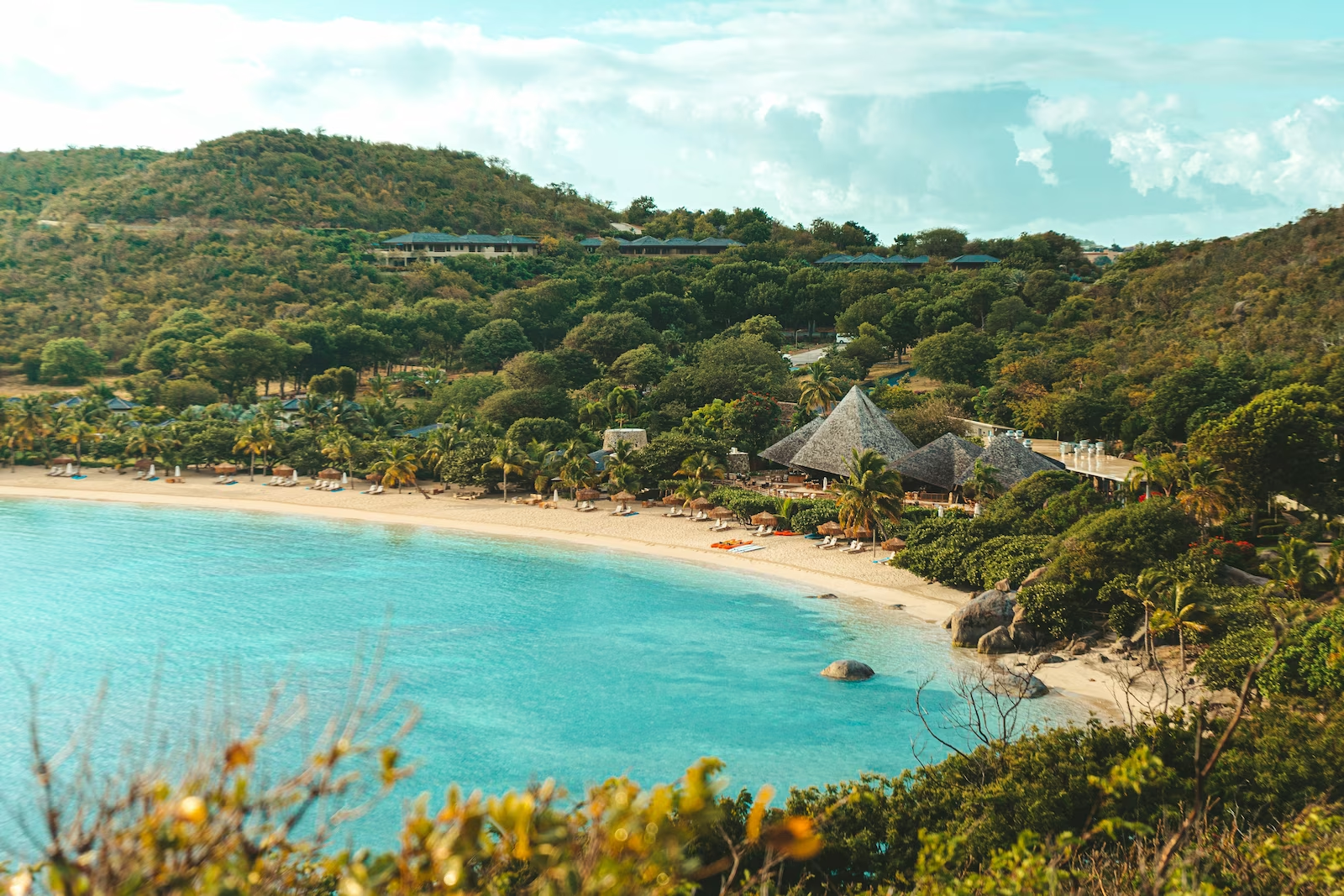
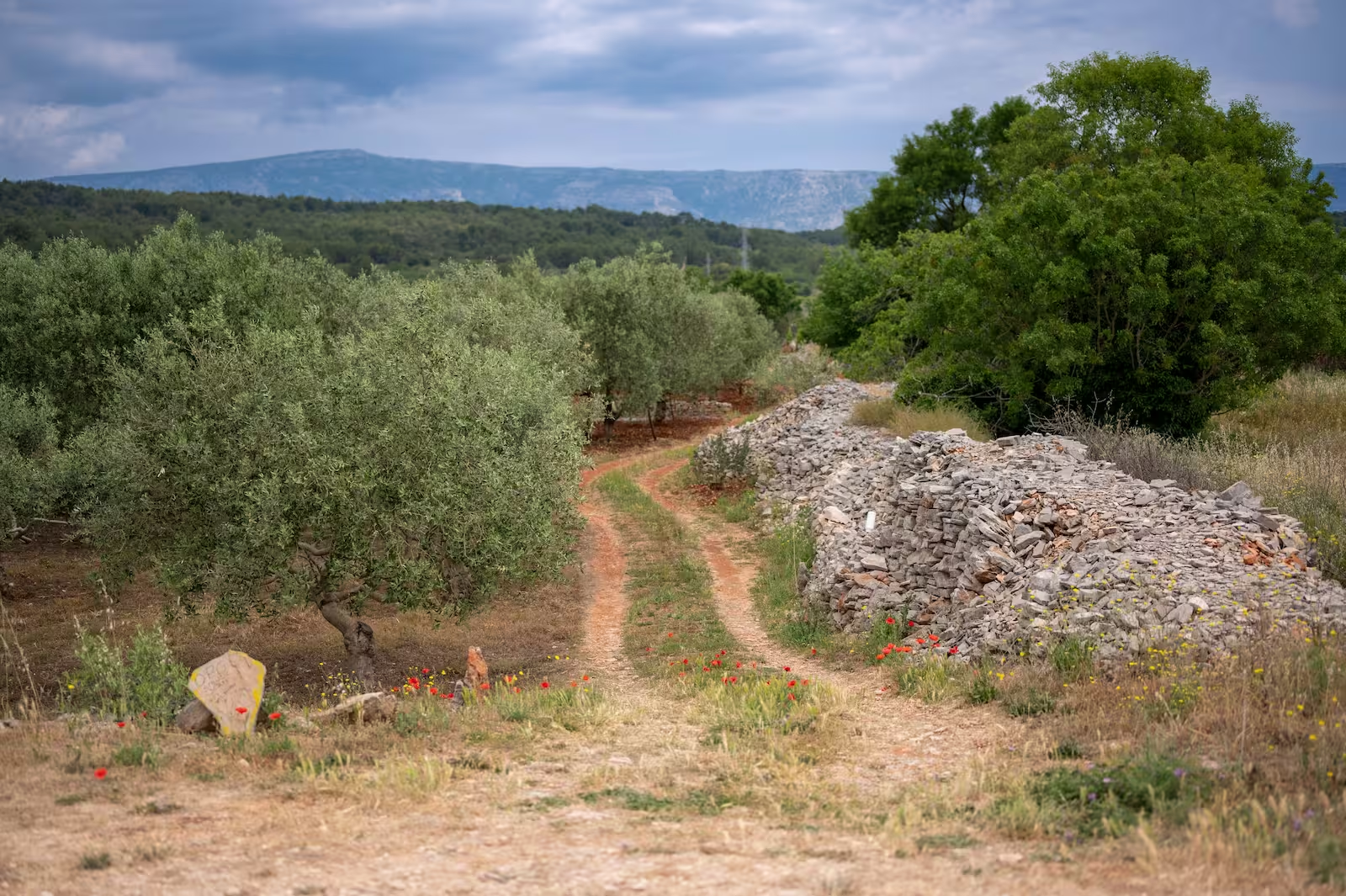
Bol is its most famous destination, largely because of Zlatni Rat. The long pebble spit extends into the sea west of town and its tip changes shape according to waves, wind and currents. Brač has an inland landscape of olive groves, stone villages and walking routes that gives the island a different character once you leave the coast.
Things to do in Brac Croatia
Among the best things to do in Brac Croatia is visiting Vidova Gora, the highest summit of the Adriatic islands. Official Brač tourism information places the summit at around 778 metres, with views across to Hvar, Šolta and Vis.
Another worthwhile stop is Blaca Hermitage. The isolated monastery settlement was established in 1551 and developed into a remarkable community in the island’s interior. Reaching it requires more effort than visiting a typical coastal attraction, which is part of its appeal.
Pučišća, on Brač’s northern coast, provides another side to the island. The town has a long stone-masonry tradition that continues through its stonemasonry school, and its pale stone buildings cluster around a sheltered inlet.
Brač is therefore particularly good for travellers who enjoy having a loose itinerary and discovering a different beach, village or viewpoint each day.
Getting there and getting around
Both islands are well connected with Split, but the best crossing depends on where you plan to stay.
For travel to Hvar, passenger catamarans run directly between Split and Hvar Town. TP Line’s 2026 timetable, for example, schedules the direct crossing at about one hour. Travellers bringing a car normally use Jadrolinija’s Split to Stari Grad ferry, which takes about 110 minutes. Stari Grad’s ferry terminal is around a 20-minute drive from Hvar Town.
Brač is especially convenient for visitors with a car. Jadrolinija’s Split to Supetar ferry carries vehicles and takes around 50 minutes, with multiple daily crossings during the summer season.
A car is not essential on either island, particularly if you plan to stay mainly in Hvar Town or Bol. However, it is more useful on Brač because many of its most interesting places are scattered around the island.
On Hvar, a car becomes more worthwhile if you want to combine Hvar Town with Stari Grad, Jelsa, inland villages and quieter beaches.
Which island suits your trip?
For couples: Hvar has the edge if you want restaurants, sunset drinks, historic streets and boat trips without much driving. Brač works better for couples who prefer quieter evenings and active days.
For families: Brač is a strong all-round option, particularly for families planning to hire or bring a car. Its combination of beaches, smaller towns and straightforward vehicle ferry access makes moving around relatively simple. Hvar can still work very well, especially outside the busiest parts of Hvar Town.
For nightlife: Hvar is the clearer choice. Its concentration of bars, waterfront venues and beach clubs gives it a stronger late-night scene than Brač.
For beaches and water sports: Brač has the advantage, led by Zlatni Rat and Bol’s established water-sports scene. Hvar counters with smaller coves and easy access to the Pakleni Islands, which may appeal more to travellers who like beach hopping by boat.
For history and culture: Hvar narrowly comes out ahead thanks to Hvar Town’s architectural sights and the UNESCO-listed Stari Grad Plain. Brač, however, offers more unusual inland stops such as Blaca Hermitage and the stoneworking tradition of Pučišća.