At first glance, Sint Maarten and Saint Martin can be confusing. They're actually two sides of the same Caribbean island, divided between the Kingdom of the Netherlands and France. There is no border checkpoint between them, and you can drive from one side to the other in a matter of minutes. The differences become much more noticeable once you start exploring. The Dutch side tends to be busier and more lively, while the French side has a stronger emphasis on food, quieter beaches and a more European feel.
So, which side should you stay on?
That depends on what you want from your trip. Here's what to know before booking.
Sint Maarten vs Saint Martin: What's the Difference?
The southern part of the island is Sint Maarten, an autonomous country within the Kingdom of the Netherlands. The northern part is Saint Martin, an overseas collectivity of France.
The island is roughly 87 square kilometres in total, making it surprisingly easy to explore both sides in one trip.
Sint Maarten uses the US dollar widely, although the official currency is the Netherlands Antillean guilder. Saint Martin uses the euro, though US dollars are commonly accepted in tourist areas.
English is widely spoken on both sides, while French and Dutch are the main official languages in their respective territories.
There is no formal border crossing for visitors travelling between the two sides, so you can easily spend breakfast in France and dinner in the Netherlands.
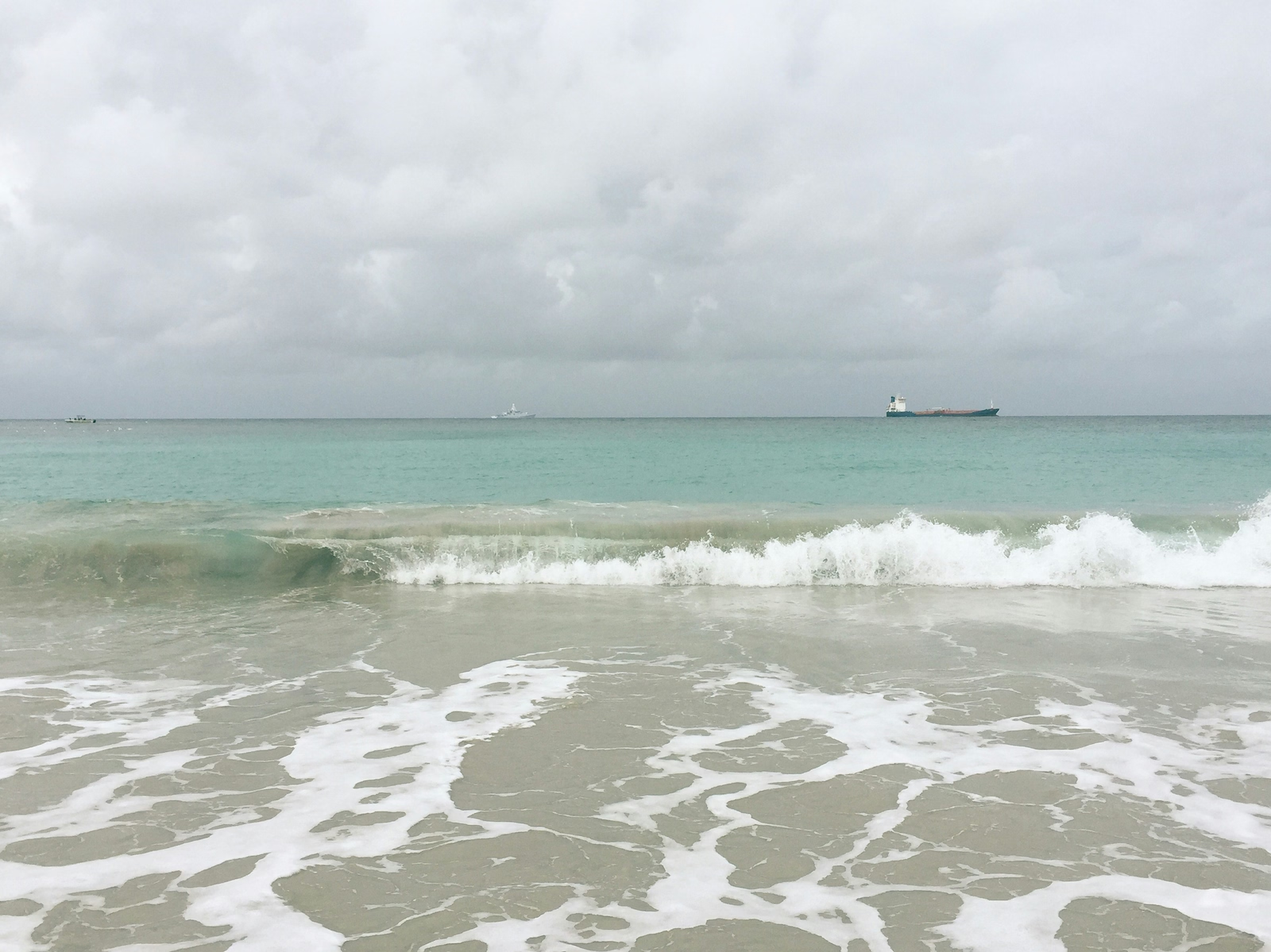
Sint Maarten: The Dutch Side 🇳🇱
The Dutch side is generally the busier of the two and is home to the island's main airport, Princess Juliana International Airport.
Philipsburg is the capital and has a long waterfront, shops, restaurants and a cruise terminal. The town is particularly busy when cruise ships are in port.
Sint Maarten is also where you'll find more nightlife, casinos, beach clubs and large resorts.
If you like having plenty of restaurants and activities within easy reach, the Dutch side is convenient.
Saint Martin: The French Side 🇫🇷
The French side has a quieter, more European atmosphere, with French bakeries, cafés, restaurants and smaller hotels.
Marigot is the main town and a good place to explore local markets, shops and restaurants. The town's waterfront is also home to the historic Fort Louis.
Saint Martin is particularly well known for its food.
French culinary traditions combine with Caribbean ingredients, so you'll find everything from casual beach restaurants to surprisingly sophisticated dining.
The French side also has several beaches that feel more relaxed than the busiest areas of Sint Maarten.
Which Side Has the Best Beaches?
This is difficult to answer objectively because the beaches have very different personalities.
On the Dutch side, Maho Beach is the famous one. It's located directly beside the airport runway, and planes pass low overhead during takeoff and landing. It's entertaining for an hour or two, particularly if aviation is your thing, but it isn't necessarily the beach you'd choose for a peaceful afternoon.
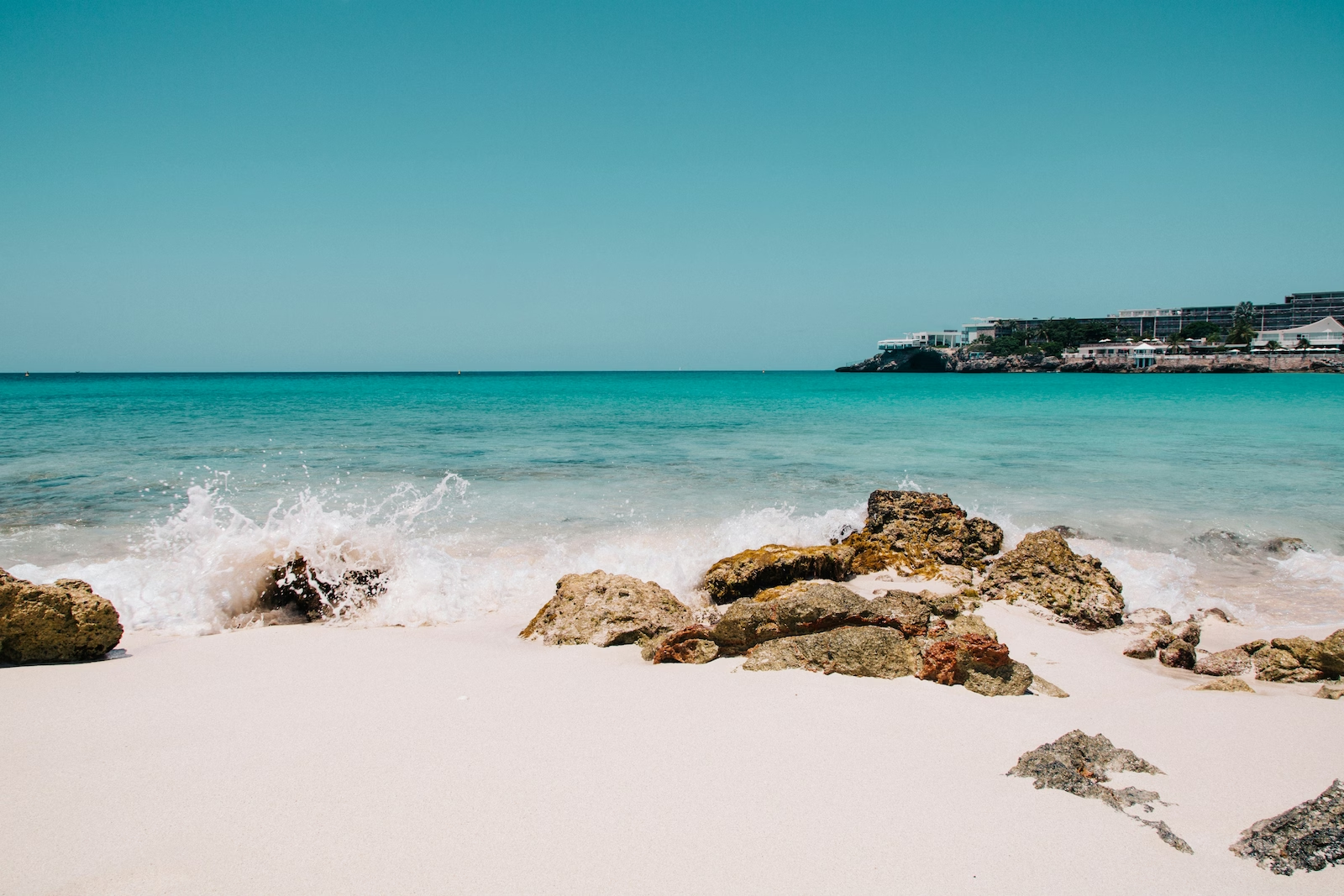
For swimming and relaxing, Mullet Bay is a better option. The wide beach has clear water and plenty of space, although conditions can vary depending on weather.
On the French side, Orient Bay Beach is one of the island's best-known beaches. It's long, lively and lined with restaurants and beach establishments.
Grand Case Beach is another strong choice, particularly if you want to combine swimming with lunch at one of the area's restaurants.
If you want quieter scenery, look towards Friar's Bay or Anse Marcel.
Which Side Is Better for Food?
Saint Martin has a particularly strong reputation for food, and the French influence is obvious.
Grand Case is the place to explore if eating well is high on your list. The town has a large concentration of restaurants, ranging from casual local spots to more polished French-Caribbean dining.
Try local dishes such as accras, grilled fish and Caribbean-style stews, alongside French classics and fresh seafood.
Sint Maarten also has plenty of excellent restaurants, with influences from across the Caribbean and beyond. Philipsburg and Simpson Bay have a particularly large selection.
You don't need to stay on the French side to eat well, but it is worth crossing over for a meal or two.
Which Side Is Better for Nightlife?
Sint Maarten wins in terms of sheer choice. Simpson Bay and Philipsburg have bars, clubs, casinos and restaurants that stay open late.
The island attracts plenty of visitors from cruise ships and nearby Caribbean destinations, so nightlife can become lively during the high season.
The French side is generally more relaxed. Grand Case has bars and restaurants where you can enjoy an evening without the atmosphere becoming quite as club-focused.
If nightlife is a major part of your holiday, staying on the Dutch side puts you closer to more options.
Which Side Is Better for Families?
Both sides work well for families, but your choice may depend on the type of holiday you want.
Sint Maarten has larger resorts, water sports and plenty of organised activities. Maho Beach is fun for older children who are interested in watching planes, while beaches such as Mullet Bay are better suited to a normal beach day.
The French side tends to feel quieter, with smaller accommodation options and beaches where families can spend a slower afternoon.
For families who want lots of activities and easy access to services, Sint Maarten can be convenient. For a quieter holiday, Saint Martin may suit you better.
Which Side Is More Affordable?
Neither side is a particularly cheap Caribbean destination, but your overall costs will depend more on accommodation and dining choices than the border itself.
The Dutch side has a wider range of hotels and larger resorts, which means there are more price points to choose from. It also has plenty of casual restaurants and supermarkets.
The French side has some excellent apartments and smaller hotels, but dining out can become expensive if you stick to restaurants serving French cuisine.
A good strategy is to compare accommodation on both sides rather than deciding based purely on geography.
Getting Around the Island
Renting a car is one of the easiest ways to explore both sides.
The island is small, but roads can become congested, particularly around Philipsburg, Marigot and the airport. Allow more time than the map suggests when travelling during busy periods.
Taxis are available, but relying entirely on them can become expensive if you want to explore several beaches and towns.
Driving between the two sides is straightforward. Just remember that you'll encounter different road signs and potentially different conventions as you move around the island.
Where Should You Stay?
Stay in Sint Maarten if you want nightlife, larger resorts, easy airport access and plenty of activities.
Simpson Bay is particularly convenient because it has restaurants, bars, shops and marina facilities nearby.
Philipsburg works well if you want to be close to the Dutch capital and cruise port, although it can become busy during cruise-ship days.
On the French side, Grand Case is a good choice for restaurants and beach access, while Orient Bay suits travellers looking for a lively beach atmosphere.
Marigot works better if you prefer being close to shops, markets and French-Caribbean restaurants.
Can You Visit Both Sides in One Day?
Absolutely.
The island is small enough that you can comfortably visit several places in one day. You could start with breakfast in Grand Case, spend the morning at Orient Bay, stop in Marigot for lunch and finish the afternoon watching planes at Maho Beach.
That said, rushing around the island misses some of the point. If you have several days, spread your exploration out rather than treating every beach as a box that needs ticking.
What About the Other Islands?
One advantage of staying in Sint Maarten or Saint Martin is its location. The island is a useful base for exploring nearby Caribbean islands.
Ferries and excursions can take you to Anguilla, Saint Barthélemy and other nearby destinations, depending on the current routes and weather.
A day trip to Anguilla is particularly popular for travellers looking for long beaches and a quieter atmosphere.
If you're staying for a week or more, adding one day trip can give you a nice change of scenery without having to organise another full holiday.