Visiting Algeria can take you from a coffee overlooking the Mediterranean to Roman streets with mountains on the horizon, then into a city balanced above a deep gorge. There is a lot to get excited about here, but the best trips start with a manageable route. Give the north a week, choose the places that interest you most, and treat the Sahara as a journey of its own.
Algiers: start with the Casbah and the sea
Allow two days in the capital before heading further afield. Spend one morning exploring the UNESCO-listed Casbah with a knowledgeable local guide. Its steep lanes, Ottoman-era palaces and old mosques reward having someone explain what you are looking at. This is a lived-in neighbourhood, so ask before photographing people and respect private doorways.
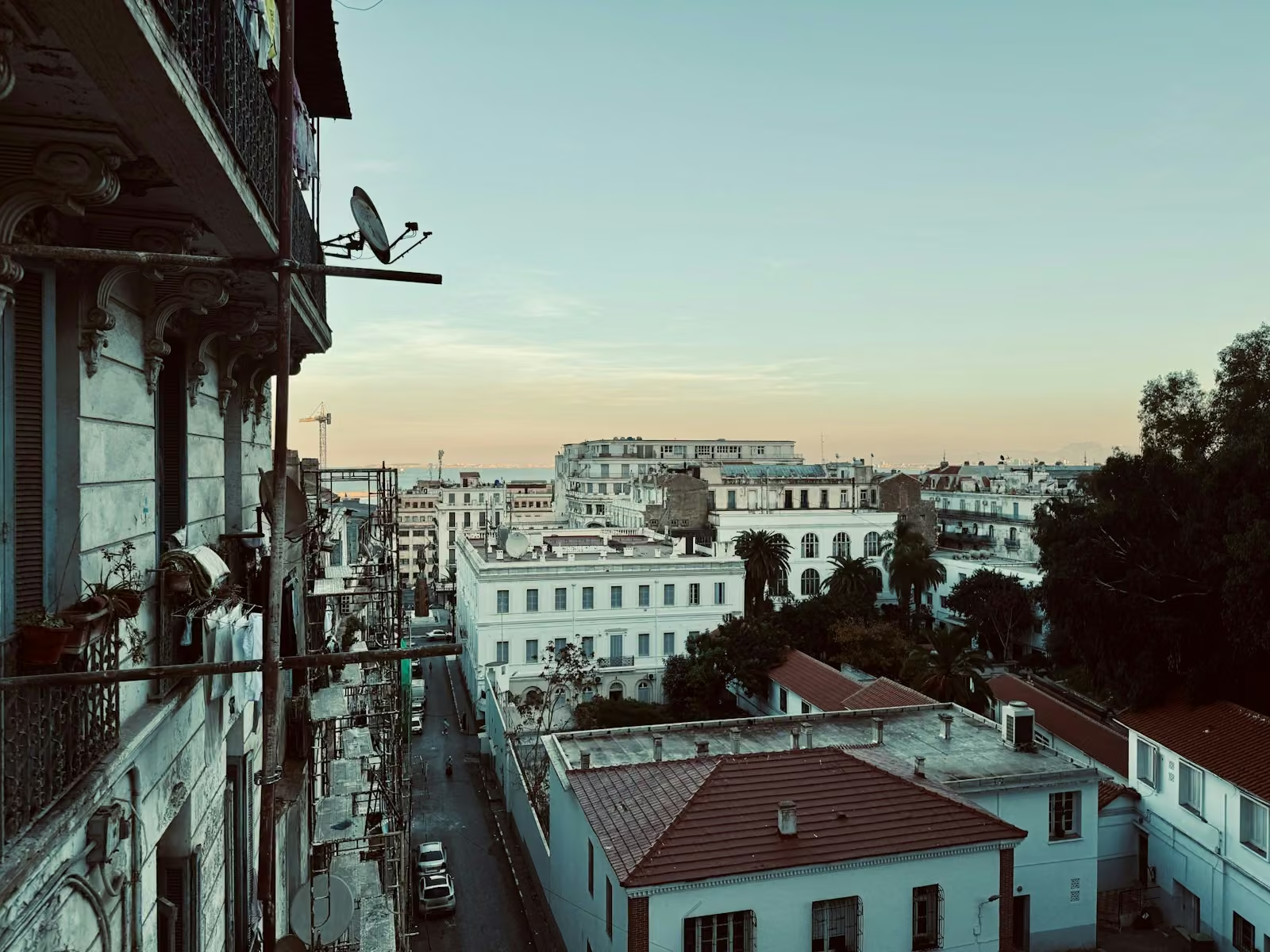
Later, head into the lower city for broad streets, white façades and sea views. Leave room for an unhurried café stop rather than filling every hour with sights. On your second day, choose the leafy Jardin d’Essai du Hamma or the hilltop Martyrs’ Memorial, a landmark commemorating the independence struggle.
Planning tip: Book a half-day Casbah tour through your hotel or a reputable agency, and confirm the language, meeting point and entry fees. A central hotel makes it easier to fit sightseeing around meals and afternoon breaks.
Tipasa: Roman ruins beside the Mediterranean
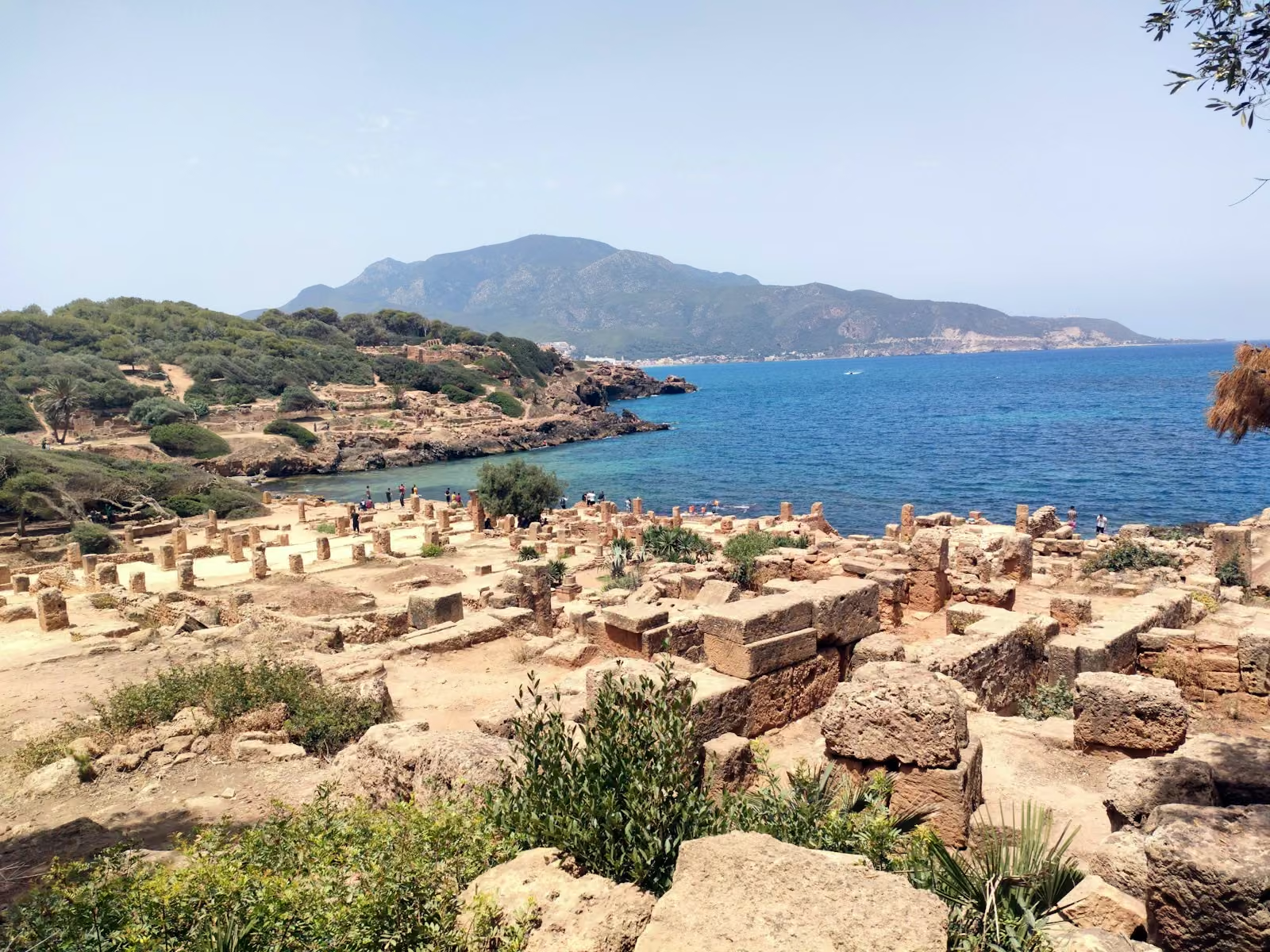
Of all the places to go in Algeria, Tipasa is an especially rewarding addition to an Algiers stay. Also written Tipaza, this coastal archaeological site combines ancient stonework with pine trees and open sea. There are few better settings for a slow walk through history.
UNESCO’s overview of Tipasa explains its layers of Phoenician, Roman and early Christian heritage. You do not need to be an archaeology enthusiast to appreciate the setting, though a guide will help distinguish a basilica from another stretch of old wall.
Set aside a full day from Algiers, allowing roughly 1–2 hours each way depending on your starting point and traffic, and around 2–3 hours to explore. Arrange your return transport in advance. Pack water, sun protection and shoes that cope with uneven ground, then leave time for lunch by the coast.
Constantine: bridges with a view
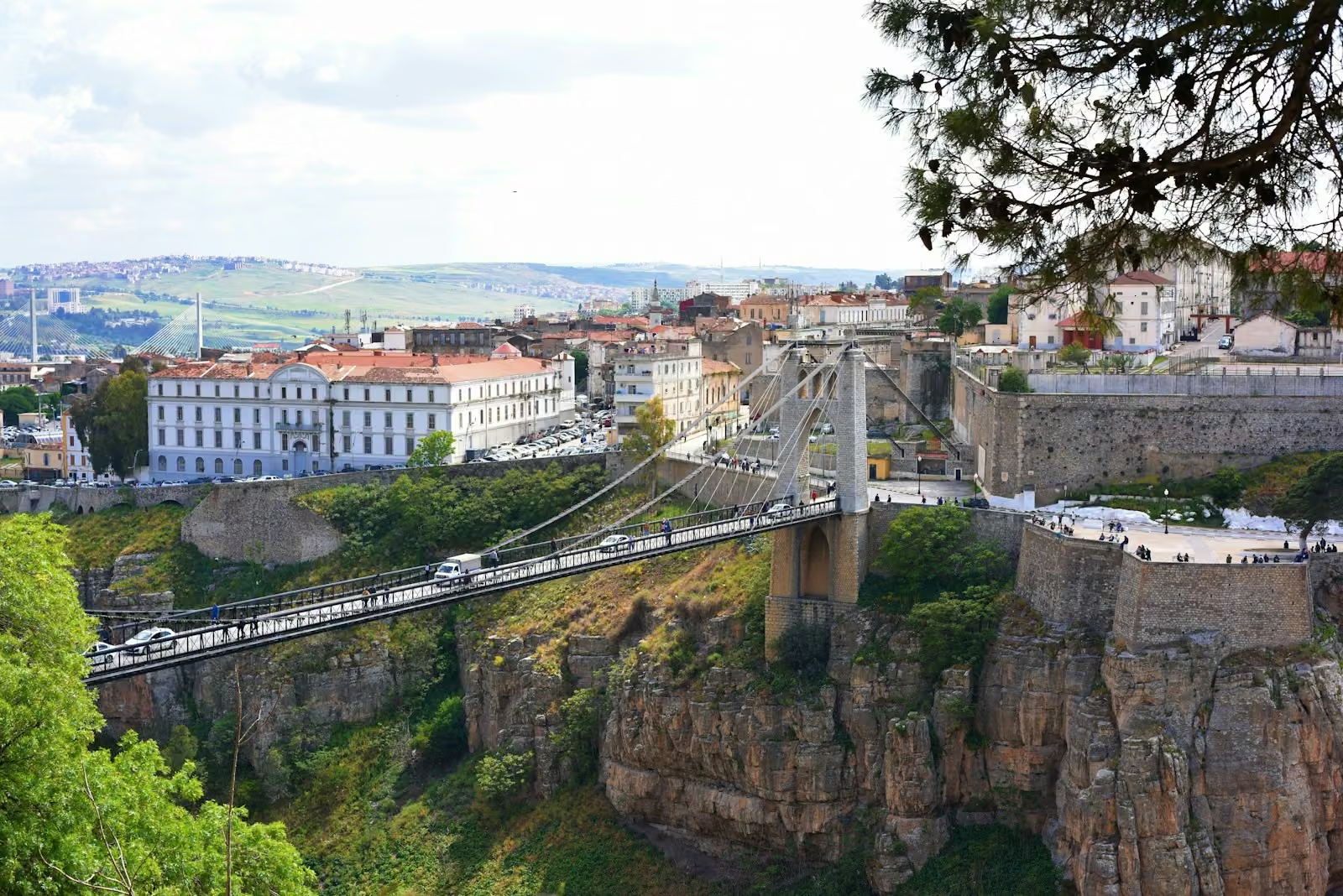
Constantine is the place to go when you want the city itself to be the spectacle. Buildings crowd the edges of a rocky gorge, with bridges linking neighbourhoods across the drop. The Sidi M’Cid suspension bridge is the obvious starting point; take your time on the surrounding streets and viewpoints too.
Stay for two nights if possible, giving yourself a full day to explore without arriving, taking a photograph and leaving. Combine the views with the old town and a visit to Ahmed Bey Palace, checking current opening hours locally. Distances on a map can be misleading when steep streets and the gorge shape your route.
Djémila or Timgad: choose your Roman city
Some of the most famous landmarks in Algeria are entire ancient settlements. Djémila spreads across a mountain setting, with temples, arches and the remains of everyday homes. Timgad, founded under Emperor Trajan in AD 100, is striking for its orderly street grid and monumental ruins.
Choose one if your time is limited. Djémila is usually approached from Sétif; Timgad works better with a Batna base. Allow at least half a day at either site, plus transfers, and confirm access and guiding arrangements locally. Both are exposed places: take a hat in warm weather and a layer outside summer.
Build your route around a few bases. A week of Algiers, Tipasa and Constantine is more enjoyable than trying to squeeze in every Roman site and a desert expedition.
The Sahara: plan a separate adventure
If dunes and sculpted sandstone are what brought Algeria onto your radar, look into a guided trip from Djanet. The wider region offers desert landscapes and access to prehistoric rock art, including the remarkable heritage of Tassili n’Ajjer. Routes differ substantially: a plateau trek and a 4×4 camping circuit are different holidays.
Allow several days and organise this with an established local operator before booking flights. Ask for the exact route, permits, walking demands, sleeping arrangements and what happens if domestic flights change. Some border areas are subject to travel warnings, so a tour being advertised does not settle whether its route suits your circumstances or insurance.
For a price reference, one local operator advertises a six-day Essendilène trip from €700 per person including return Algiers flights, meals, accommodation and 4×4 transport. That is a starting quote, not a countrywide average; confirm availability and inclusions for your dates. Our Sahara travel guide has more on desert packing and choosing a trip.
Is Algeria safe for tourists?
There is no useful blanket answer for such a large country. Official advice identifies terrorism and kidnapping risks, particularly in remote desert and border areas, while petty theft is a concern in larger cities. Read your own government’s current guidance and compare it with your exact itinerary.
The UK’s Algeria travel advice includes a map of areas it advises against visiting. Use reputable guides and hotel-arranged transport, avoid demonstrations and follow local instructions. For the Casbah, use a good local guide and let your hotel know your plans.
Practical details before visiting Algeria
- When to go: Spring and autumn are good starting points for a northern sightseeing trip. Desert journeys generally suit the cooler months; nights can be cold.
- Entry: Check visa requirements with the Algerian consulate responsible for your passport and residence. Do not assume a southern-tour visa arrangement applies to an independent northern itinerary.
- Money: Bring a workable cash plan for Algerian dinars, use authorised exchange channels and check card acceptance with accommodation. Request written quotes for drivers and guides.
- Getting around: Check current train and domestic flight schedules before linking cities. Leave a buffer before your international flight and avoid long drives after dark.
- Everyday etiquette: Dress with local customs in mind, ask before taking portraits and check meal times and opening hours during Ramadan.
Start by saving Algiers, Tipasa and Constantine to your Skratch map, then decide whether Roman history or a longer desert journey deserves the extra days. There is plenty here for a return trip.