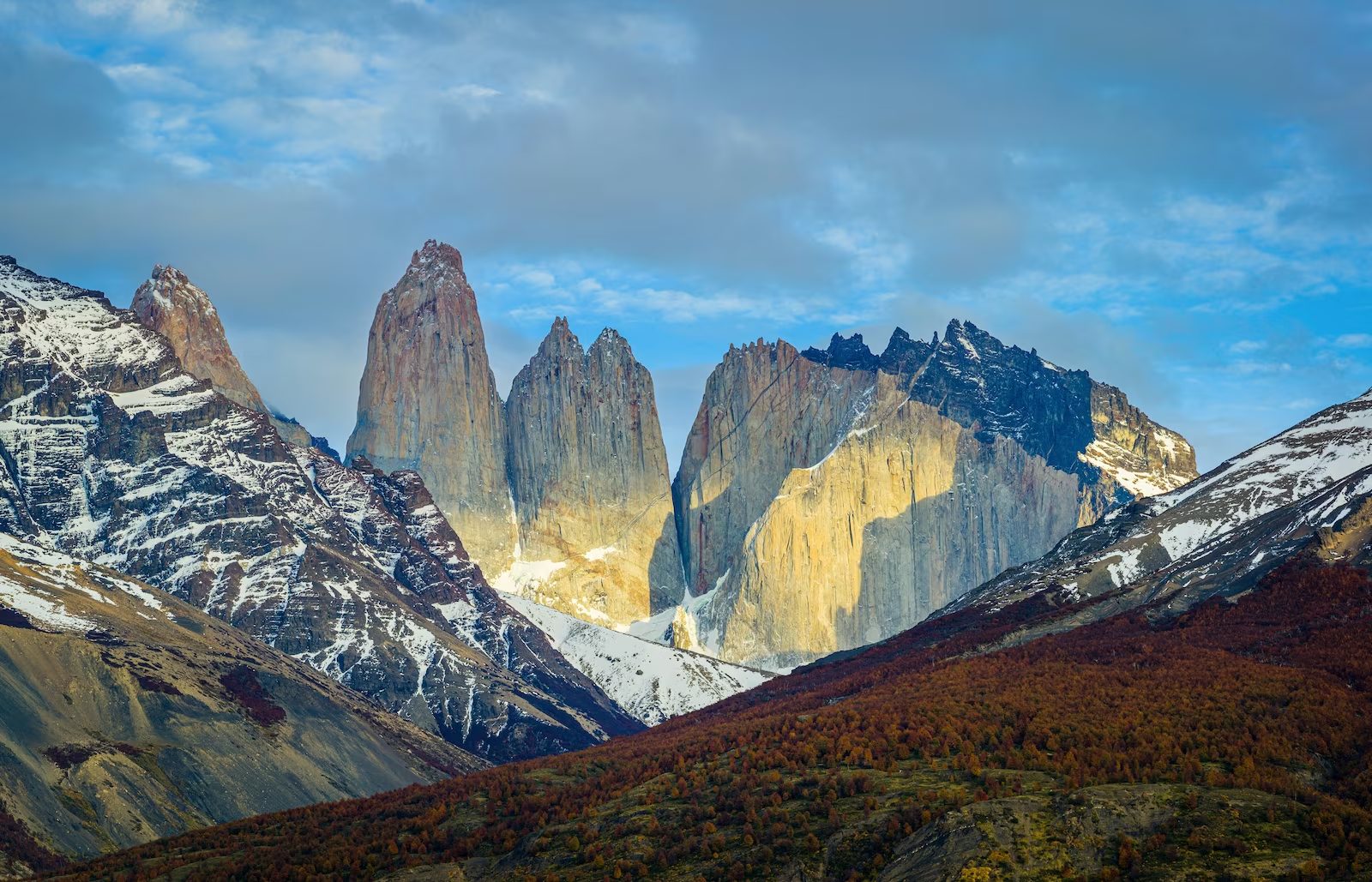
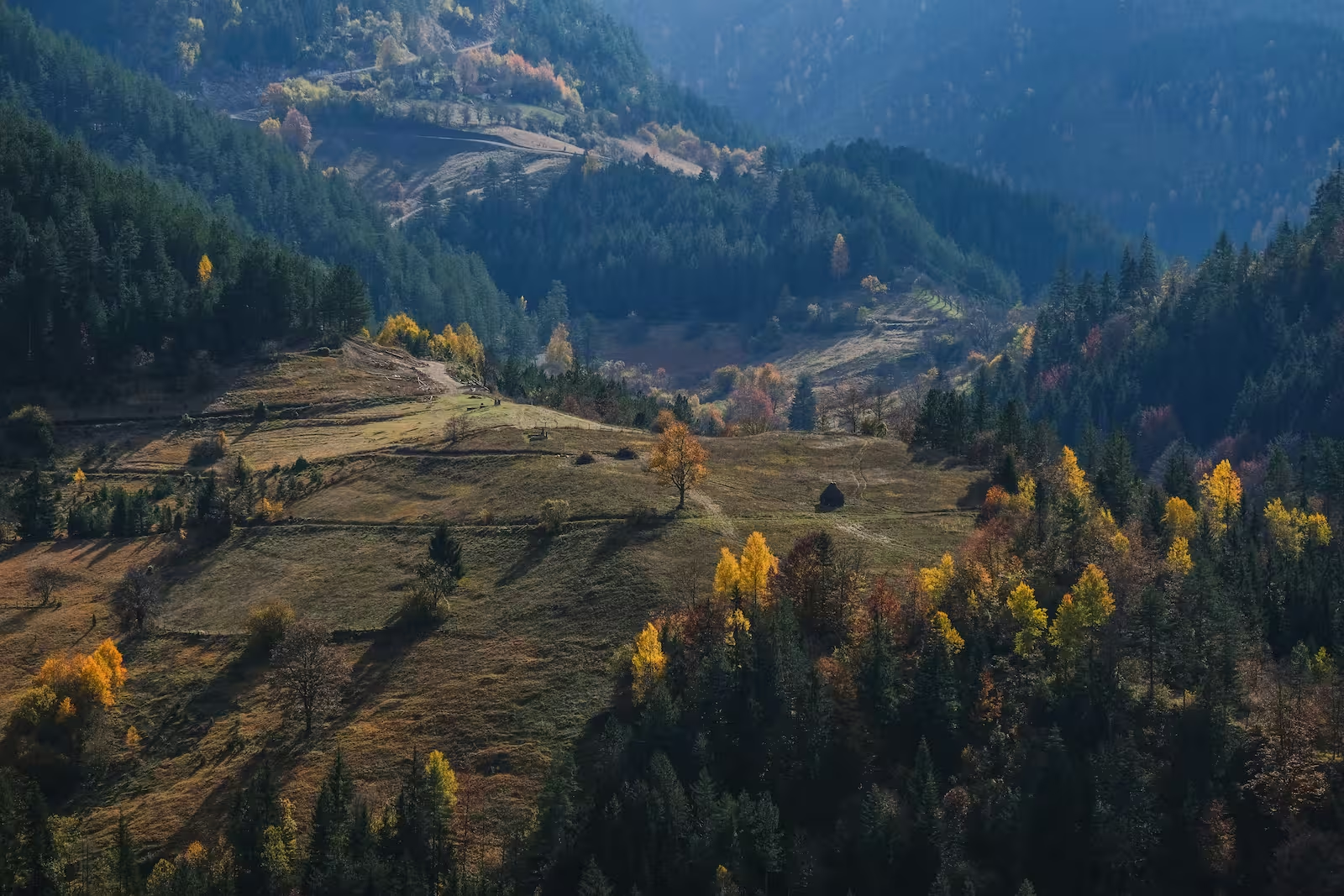
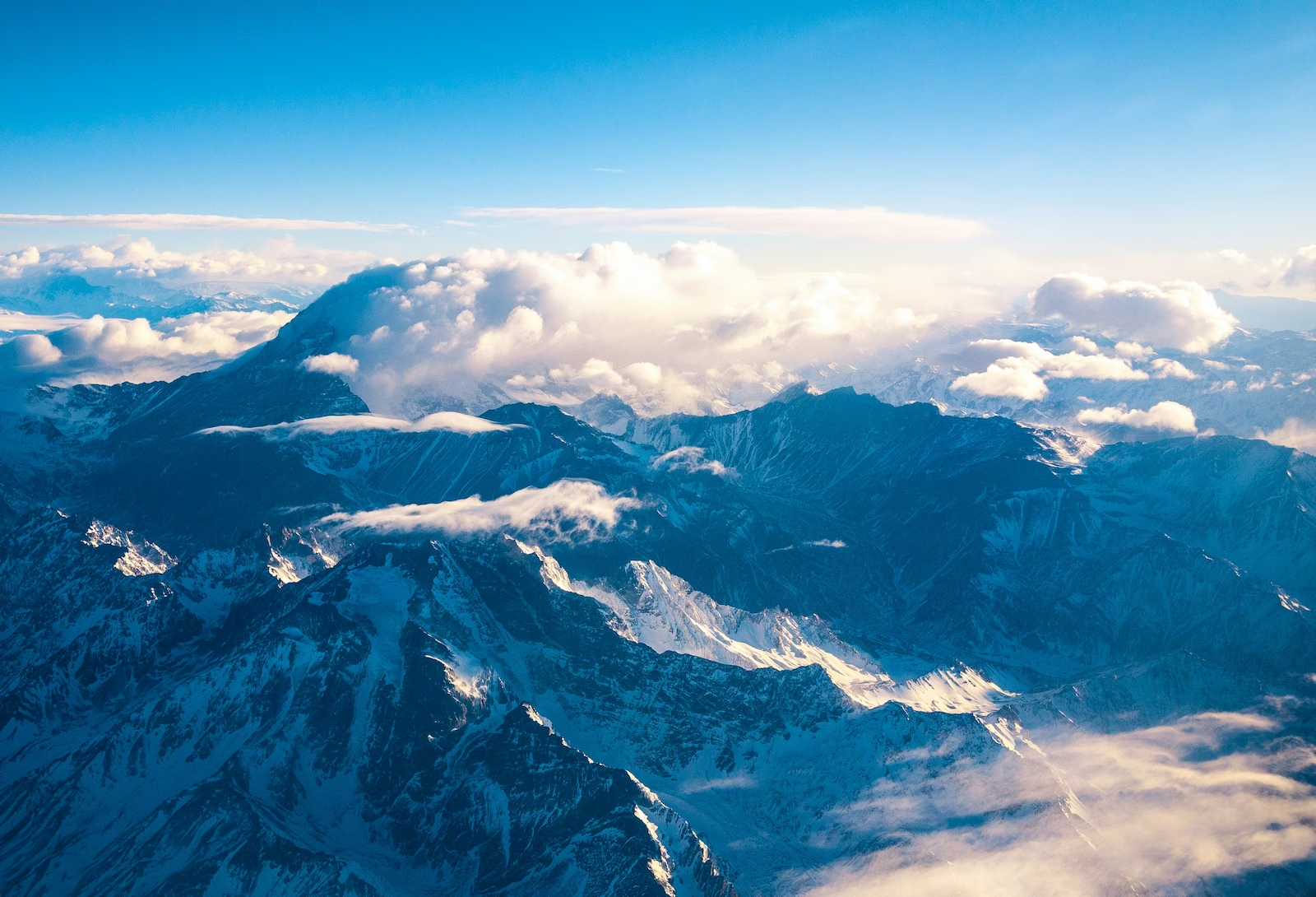
Cycling across the Andes is the kind of trip that requires both strong legs and a fair amount of patience. The mountain range stretches for thousands of kilometres along the western side of South America, passing through countries including Colombia, Ecuador, Peru, Bolivia, Chile and Argentina. You don't have to cycle the entire range to experience it. Even a few weeks on the road can take you through some extraordinary landscapes.
Choose Your Route
There isn't one single Andes cycling route. Your choice depends on how much time you have and how comfortable you are with high-altitude riding.
Colombia is a good option for riders looking for green mountains, lively towns and plenty of challenging climbs.
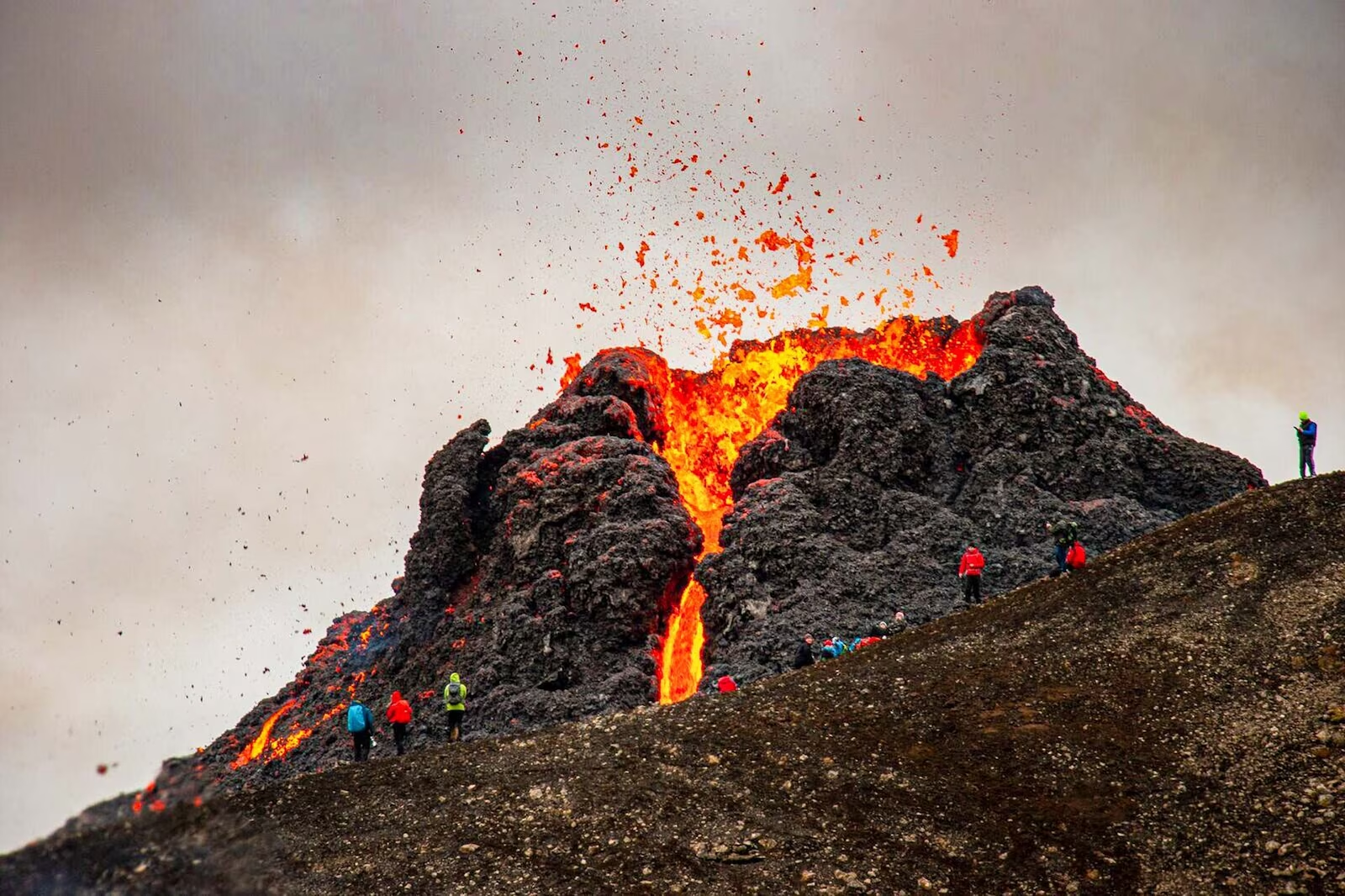
Ecuador offers dramatic volcanic scenery and relatively compact distances, making it practical for a shorter cycling trip.
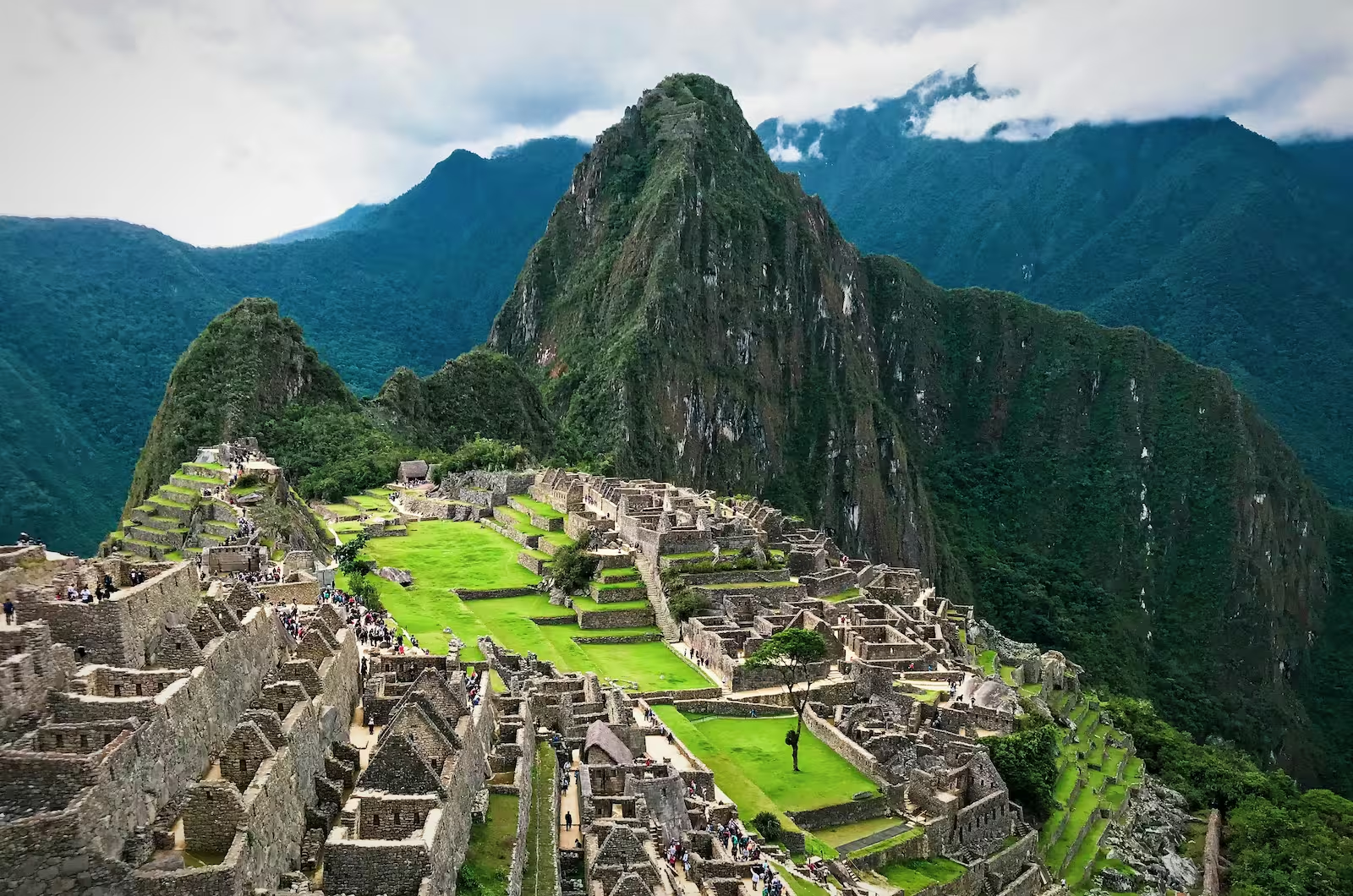
Peru combines high mountain roads with archaeological sites and remote valleys.
Bolivia is ideal for more rugged adventure, with enormous altiplano landscapes and some famously isolated roads.
For a longer expedition, you can combine several countries and cross the Andes from one side of the continent to the other.
Prepare for Altitude
Altitude is one of the biggest challenges of cycling in the Andes.
Many routes climb well above 3,000 metres, and some passes reach considerably higher.
Don't expect to maintain the same pace you would at sea level. Give yourself time to acclimatise, especially during the first few days.
Drink plenty of water, eat regularly and avoid planning your hardest climbs immediately after arriving at altitude.
If you develop serious symptoms of altitude sickness, stop climbing and seek medical assistance.
Expect Big Climbs
Andes cycling is rarely flat.
A day that looks short on a map can take hours because of steep gradients, rough surfaces and altitude.
Plan your daily distances around elevation gain rather than kilometres alone.
A 60-kilometre day with several thousand metres of climbing can be much harder than a much longer ride on flatter roads.
The reward comes on the descents, although don't get too excited and forget that mountain weather can change quickly.
What Kind of Bike Do You Need?
Your bike depends on the route.
A sturdy touring bike with wider tyres works well for paved roads and mixed surfaces. If you're planning to ride remote gravel routes, a gravel bike or mountain bike may be more suitable.
You'll also want:
- Reliable brakes
- Spare tubes
- Puncture-repair equipment
- Basic tools
- Spare brake pads
- Strong front and rear lights
- Waterproof layers
- Panniers or bikepacking bags
Getting repairs in remote mountain areas isn't always easy, so carrying essential spares is important.
Best Time to Cycle the Andes
There isn't one perfect season for the entire Andes because conditions vary significantly between countries and elevations.
Generally, the dry season is preferable for many high-altitude routes, but check conditions for your specific section before setting off.
Mountain weather can change rapidly even during favourable seasons.
Cold mornings can turn into sunny afternoons, followed by rain or hail later in the day.
Layers are your friend.
Where to Stay
Accommodation ranges from hotels and guesthouses in larger towns to basic lodges and campsites in remote areas.
You don't necessarily need to camp every night.
In fact, mixing camping with inexpensive hotels or hostels can make a long cycling trip much more comfortable.
Staying in towns also gives you opportunities to restock food, charge electronics and deal with bike maintenance.
Safety and Road Conditions
Road conditions vary enormously.
Some mountain highways are smooth and well maintained, while others can be rough, narrow or affected by landslides.
Always check local conditions before tackling remote sections.
Carry enough food and water for longer stretches than you expect. Traffic can also be an issue on busy mountain roads, so use lights and reflective clothing and avoid riding after dark.
A GPS device or offline navigation app is extremely useful when mobile coverage disappears.
How Long Do You Need?
For a short Andes adventure, two to three weeks can give you enough time to explore one region properly.
A month or longer allows you to connect several sections and spend more time away from major cities.
If you're planning to cross multiple countries, don't underestimate the time required for rest days, border crossings, weather delays and mechanical problems.
A flexible schedule is far more enjoyable than trying to stick to an unrealistic daily target.