There are plenty of ways to experience Morocco, but few feel as far removed from everyday life as spending a night in the Sahara Desert. After travelling through busy medinas, mountain villages and winding roads, suddenly there’s nothing around you except sand, silence and an enormous sky. Your phone may still have signal, but you’ll probably forget to check it. A typical Sahara camping trip involves travelling into the desert by 4x4 or camel, reaching a camp among the dunes, watching the sunset, eating dinner around a fire and spending the night in a traditional tent. The next morning, you can climb a dune for sunrise before heading back towards civilisation.
It sounds simple, and it is. But a little planning makes a big difference, particularly when it comes to choosing your desert, deciding between a basic or luxury camp, and preparing for the surprisingly cold nights.
Choose the Right Part of the Sahara
When people talk about camping in Morocco’s Sahara, they’re usually referring to the desert around Merzouga and Erg Chebbi or the area around Zagora and Erg Chigaga.
They offer different experiences, so where you go matters.
Merzouga and Erg Chebbi
Erg Chebbi is famous for its enormous orange-gold dunes and is the easiest choice for a classic Sahara experience.
The village of Merzouga sits right beside the dunes, so getting from the road to a desert camp is relatively straightforward. There are plenty of organised tours and camps in the area, ranging from simple Berber-style tents to much more comfortable luxury setups.
The huge dunes are also excellent for sunrise and sunset, making this one of the most popular places in Morocco for a first desert camping trip.
The downside is that popularity brings more tourists. During busy periods, you may share the area with plenty of other travellers.
Zagora and Erg Chigaga
The Zagora region offers a more remote desert experience.
Erg Chigaga is particularly appealing if you want to get further away from the more developed tourist routes. Reaching the dunes usually involves a longer journey by 4x4, which is part of the adventure.
The scenery is also different. You shouldn't expect endless towering dunes everywhere. Parts of southern Morocco's desert landscape include rocky plains, scrub and wide-open barren terrain.
For travellers looking for solitude, that remoteness can be a major advantage.
Decide What Kind of Camp You Want
Not all Sahara camps are created equal.
You can find everything from extremely simple camps with basic sleeping arrangements to surprisingly stylish desert camps with proper beds, private bathrooms and restaurant-style meals.
Your budget and expectations will determine which makes sense.
Basic Desert Camps
A basic camp is closer to the traditional experience.
You’ll typically sleep in a tent with mattresses or simple beds, share bathroom facilities and eat a communal dinner. Electricity may be limited, and Wi-Fi isn't something you should count on.
These camps are a good choice if you mainly want to experience the desert rather than spend the evening inside your accommodation.
Luxury Desert Camps
Luxury camps have become increasingly popular, and some are considerably more comfortable than you might expect.
Depending on the camp, you could have a proper bed, private bathroom, hot shower, electricity, comfortable seating and even a private terrace overlooking the dunes.
The tents can feel more like small hotel rooms than camping tents.
They cost more, naturally, but they can be worth considering if you're travelling as a couple, celebrating something special, or simply don't fancy sleeping on a thin mattress after a long day of travelling.
Getting to Your Desert Camp
The desert may look empty on a map, but getting there is usually fairly straightforward.
Most visitors reach the Sahara as part of a road trip or organised tour.
From Marrakech
The journey from Marrakech to Merzouga is long.
You’ll cross the High Atlas Mountains, pass through the Draa Valley and travel through increasingly arid landscapes before reaching the desert. Driving yourself can be rewarding, but you'll need to allow plenty of time.
Many travellers break the journey with overnight stops rather than trying to reach the dunes in one day.
A common route includes stops around Aït Benhaddou, Ouarzazate and the Dades or Todra valleys before continuing towards Merzouga.
From Fes
Fes is another popular starting point for Merzouga trips.
The route takes you through the Middle Atlas and into eastern Morocco before reaching the desert. It can be done as part of a multi-day tour or an independent road trip.
One advantage of travelling between Fes and the Sahara is that you can create a route that connects several very different Moroccan landscapes.
From Marrakech to Zagora
Zagora is considerably closer to Marrakech than Merzouga, making it an option for travellers with less time.
However, shorter travel time doesn't necessarily mean a better desert experience. The landscape around Zagora is generally more rugged and less dominated by the giant golden dunes that many visitors picture when they imagine the Moroccan Sahara.
.avif)
Camel Trekking or 4x4?
Reaching your camp can be part of the experience.
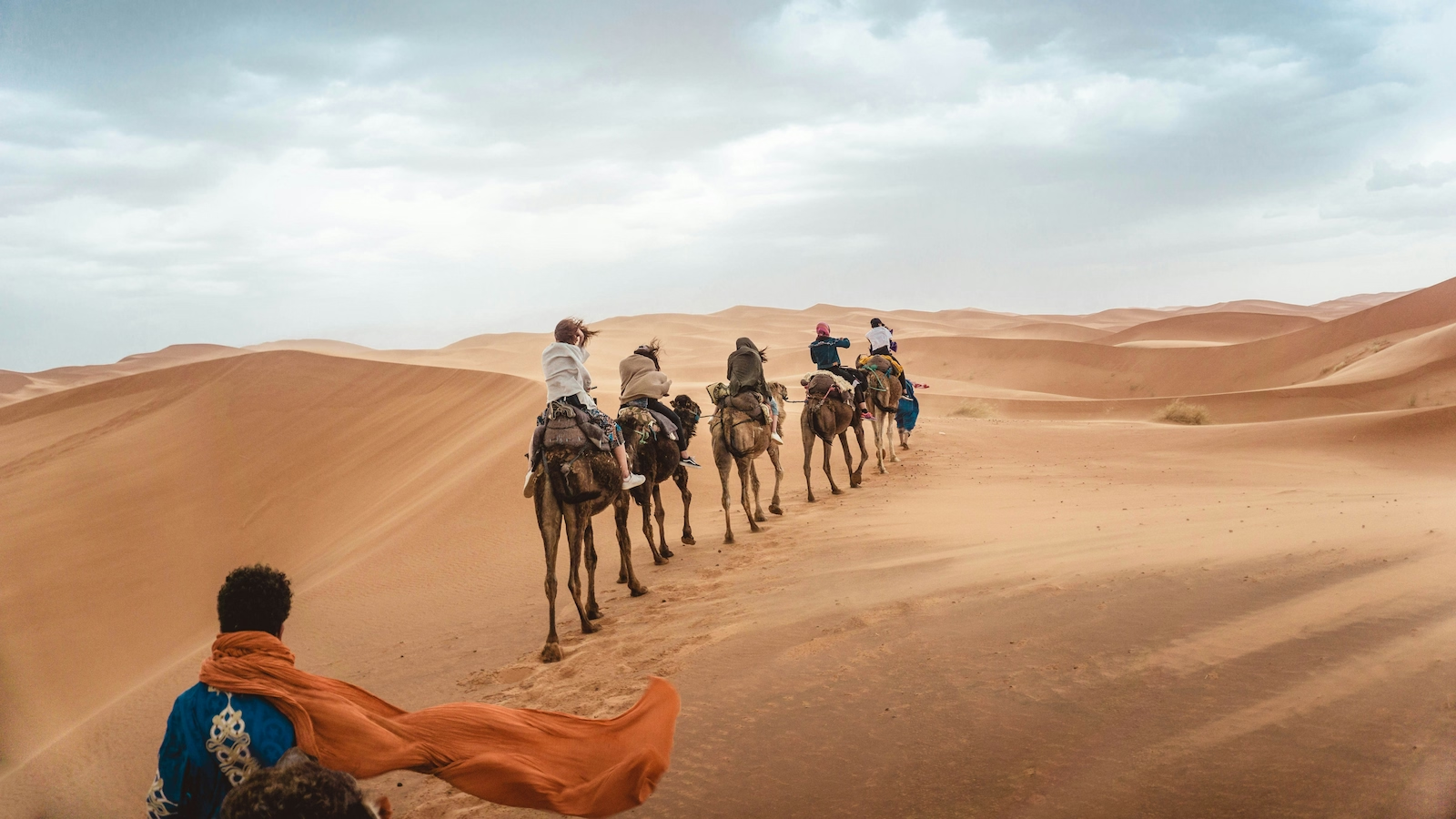
The classic option is a camel trek into the dunes.
You’ll usually meet the camels in the afternoon and ride into the desert as the sun begins to drop. It's a memorable way to arrive at camp, although sitting on a camel for an hour or two can be rather less glamorous than the photographs suggest.
Expect your legs to complain afterwards.
A 4x4 transfer is faster and more comfortable, particularly if you have luggage or mobility concerns. It also allows you to spend more time at the camp rather than using part of the afternoon for the trek.
Some trips offer both, allowing you to ride a camel for the experience and use a 4x4 for the return journey.
Watch the Sunset From the Dunes
This is one part of the trip you shouldn't rush.
Try to reach the camp with enough time to climb a nearby dune before sunset. Even a relatively modest dune can give you an impressive view across the desert.
The sand changes colour as the sun drops, moving from bright gold to orange and eventually deep red and brown.
You don't need a complicated photography setup. The landscape does most of the work.
Just remember that climbing a dune is harder than it looks. Walking uphill through loose sand is surprisingly tiring, especially if you're carrying a camera, water and everything else you decided was essential five minutes earlier.
What Happens After Sunset?
Once the sun disappears, the temperature can fall quickly.
Most desert camps serve dinner after sunset, often accompanied by traditional music around a fire.
The exact experience varies from camp to camp, but you may have Moroccan dishes such as tagine, couscous, salads, bread and mint tea.
Don't expect a wild party atmosphere. One of the best things about being in the Sahara is the quiet.
After dinner, take some time to step away from the camp lights.
On a clear night, the lack of urban light pollution makes the stars incredibly visible. You may see far more of the night sky than you're used to seeing at home.
It's also a good opportunity to simply sit outside and enjoy the silence.
Be Prepared for Cold Nights
This catches many first-time desert campers by surprise.
The Sahara is associated with heat, but desert temperatures can drop dramatically after dark, particularly outside the hottest summer months.
A day that feels warm enough for shorts can turn into a chilly evening.
Bring:
- A warm fleece or lightweight jacket
- Long trousers
- Warm socks
- A hat or beanie for colder months
- Comfortable closed shoes
- Layers rather than one very heavy item
Most camps provide blankets, but don't rely entirely on them if you're visiting during a colder period.
What to Pack for a Sahara Camping Trip
You don't need to take your entire suitcase into the dunes.
Pack a small overnight bag and leave your larger luggage at your hotel, tour vehicle or designated storage point when possible.
Useful items include:
- Reusable water bottle
- Sunglasses
- Sunscreen
- Headlamp or small torch
- Power bank
- Camera
- Warm layer for the evening
- Lightweight daypack
- Lip balm
- Basic toiletries
- Tissues or wet wipes
- Closed shoes
A scarf is also useful for protecting your face from wind and blowing sand.
And don't forget that sand has a remarkable ability to get into places you didn't know existed.
Don't Forget Water
Even when the temperature feels comfortable, staying hydrated in the desert is important.
Bring enough water for the journey and any walking you plan to do around the dunes. If you're joining an organised tour, confirm whether drinking water is provided rather than assuming it will be.
Avoid leaving your water bottle sitting in direct sunlight for hours.
It may seem obvious, but desert conditions make small mistakes more noticeable.
When Is the Best Time to Go?
The most comfortable period for a Sahara camping trip is generally during the cooler months.
Spring and autumn are popular because daytime temperatures are usually more manageable than in the height of summer.
Winter can offer excellent daytime conditions, but nights can be very cold.
Summer is extremely hot, particularly during the middle of the day. Some desert tours continue operating, but you'll need to be comfortable with intense heat and carefully follow your guide's advice about hydration and activity.
The exact conditions vary considerably, so check the forecast shortly before travelling rather than relying solely on seasonal averages.
How Many Nights Should You Stay?
For most travellers, one night in the desert is enough to experience the highlights.
You'll have time for the journey into the dunes, sunset, dinner, stargazing and sunrise.
If you have two nights, however, the experience becomes more relaxed.
You can spend an extra day exploring the surrounding area, visiting nearby villages, taking a 4x4 excursion or simply doing very little.
And doing very little in the Sahara is surprisingly enjoyable.
Is a Sahara Camp Safe?
Organised desert camps are generally straightforward for visitors, particularly when travelling with an established tour operator or reputable camp.
Still, the environment itself deserves respect.
Follow your guide's instructions, stay hydrated and don't wander deep into the desert alone. At night, it's surprisingly easy to lose your bearings once every direction looks the same.
If you're travelling independently, make sure someone knows your plans and avoid heading into remote areas without appropriate navigation, transport and supplies.
The desert is beautiful, but it isn't somewhere to improvise a survival adventure because you fancied seeing what was over the next dune.
Should You Book a Tour or Travel Independently?
Both options can work.
An organised multi-day tour is usually the simplest choice if you have limited time or don't want to deal with logistics. Transport, accommodation, meals and the desert experience are generally arranged for you.
Independent travel gives you more flexibility. You can rent a car, choose your own stops and spend longer in places such as the Dades Valley or Merzouga.
However, you'll still need to arrange your desert camp and transfer into the dunes.
For first-time visitors, a well-planned tour can remove a lot of logistical hassle. Travellers who enjoy road trips and building their own itineraries may prefer doing it independently.
How Much Does Sahara Camping Cost?
Prices vary widely depending on the season, starting point, group size, transport and type of camp.
A basic shared desert tour can be relatively affordable, while private tours and luxury camps can cost considerably more.
When comparing prices, check exactly what's included.
A cheaper-looking tour may exclude transport, certain meals, camel rides, park or local fees, or transfers between the road and camp.
Look at the complete package rather than choosing purely on the headline price.
A Simple Sahara Camping Itinerary
If you're travelling from Marrakech, a longer itinerary makes much more sense than trying to squeeze the desert into a rushed overnight trip.
A possible route could look like this:
Day 1: Marrakech to Aït Benhaddou and Ouarzazate
Day 2: Ouarzazate through the Draa Valley towards Merzouga
Day 3: Explore the Merzouga area and spend the night in a desert camp
Day 4: Sunrise in the dunes and begin the journey back
Day 5: Return to Marrakech, or continue towards another Moroccan destination
You can adjust the route depending on how much time you have and whether you want to include the Dades Valley, Todra Gorge or other stops along the way.
The main thing is to avoid treating the Sahara as a quick detour. The distances involved are substantial, and the journey is part of the experience.



.avif)
.avif)
.jpg)