Japan is famous for speed. Bullet trains glide across the country so efficiently that even a two-minute delay becomes national news. That’s exactly why the Sunrise Express feels so different. It’s slower, quieter, and built around the idea that the journey itself matters. The Sunrise Express is Japan’s last regularly operating overnight sleeper train, connecting Tokyo with western Japan while passing through coastal cities, mountain towns, and places many travelers rush past on faster routes. Most people ride it simply to save on a hotel night or for the novelty of sleeping on a train, but the real magic happens when you actually get off along the way. This guide looks at the towns worth stopping in on the Sunrise Express route and why slowing down here changes the experience completely.
What is the Sunrise Express?
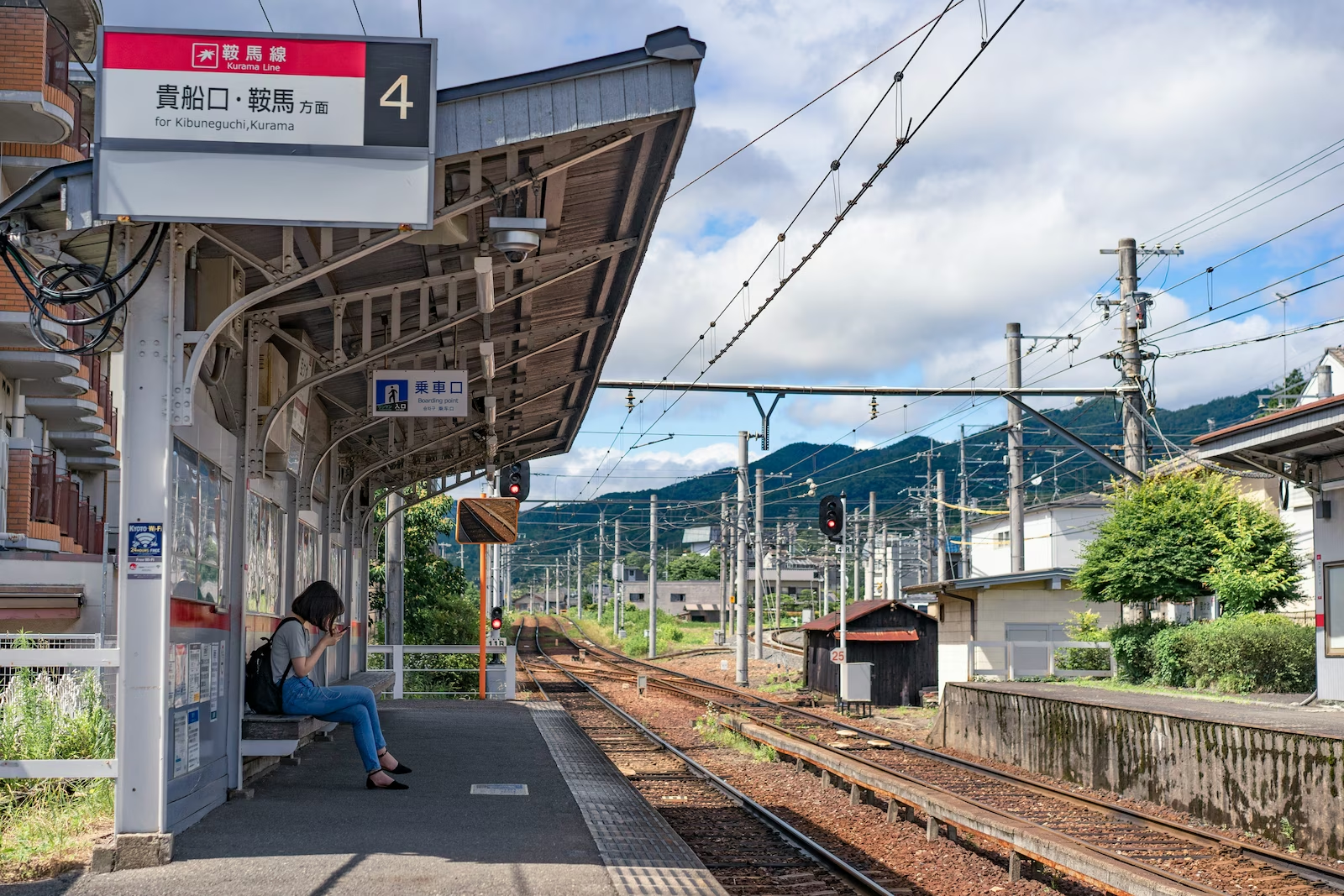
The Sunrise Express is made up of two connected services: the Sunrise Seto and Sunrise Izumo. Both depart from Tokyo together before splitting in western Japan. One continues toward Shikoku, while the other heads to Izumo on the Sea of Japan coast.
Unlike Japan’s sleek high-speed trains, this is old-school rail travel. Private sleeping compartments, narrow corridors, soft lighting, and the gentle rhythm of overnight movement create an atmosphere that feels surprisingly nostalgic.
It’s not luxury in the glamorous movie sense, but it’s comfortable, efficient, and distinctly Japanese in its calm attention to detail.
1. Okayama
Okayama is one of the smartest places to break up the journey. It’s large enough to offer excellent food and transport connections, but relaxed enough to avoid the overwhelming pace of bigger cities.
The main attraction is Korakuen Garden, considered one of Japan’s finest landscape gardens. Early mornings here are especially peaceful, with very few crowds and beautifully maintained grounds that shift dramatically with the seasons.
Okayama also works as a gateway to nearby islands and smaller towns, making it ideal for travelers who want flexibility without logistical headaches.
2. Kurashiki
Just a short distance from Okayama, Kurashiki feels completely different. The historic Bikan district is lined with preserved white-walled merchant buildings and canals that reflect willow trees and old stone bridges.
It’s compact, walkable, and easy to explore in half a day or longer if you enjoy slower travel. Kurashiki rewards wandering rather than strict sightseeing. Small cafés, craft shops, and quiet side streets make it one of the most atmospheric stops along the route.
At night, once day-trippers leave, the town becomes especially calm in a way that’s increasingly rare in popular parts of Japan.
3. Himeji
Most travelers know Himeji for Himeji Castle, and rightly so. It’s Japan’s most spectacular surviving feudal castle, with bright white walls that earned it the nickname “White Heron Castle.”
But Himeji is worth more than a quick stop for photos. The surrounding streets, gardens, and slower pace make it a comfortable overnight destination rather than just a checklist attraction. Staying nearby also lets you experience the castle early in the morning before crowds arrive, which completely changes the atmosphere.
4. Takamatsu
If you continue on the Sunrise Seto branch, Takamatsu becomes one of the most rewarding stops. Located on Shikoku island, it combines coastal scenery with a relaxed urban feel.
The city is famous for udon noodles, and honestly, this alone justifies stopping. Tiny local noodle shops serve bowls that somehow taste far better than something so simple has any right to.
Nearby Ritsurin Garden is another standout, offering meticulously designed landscapes with mountain backdrops that feel almost unreal in perfect weather.
5. Izumo
The Sunrise Izumo line ends in Izumo, a quieter and far less internationally visited part of the country. The town is home to Izumo Taisha, one of Japan’s oldest and most important Shinto shrines.
Izumo feels slower and more traditional than many tourist-heavy destinations. The coastline nearby adds to the atmosphere, especially during stormy weather when the Sea of Japan turns dramatic and grey.
Stopping here gives the Sunrise Express journey a strong ending point rather than simply treating the train as transport.
Why Slow Train Travel Feels Different in Japan
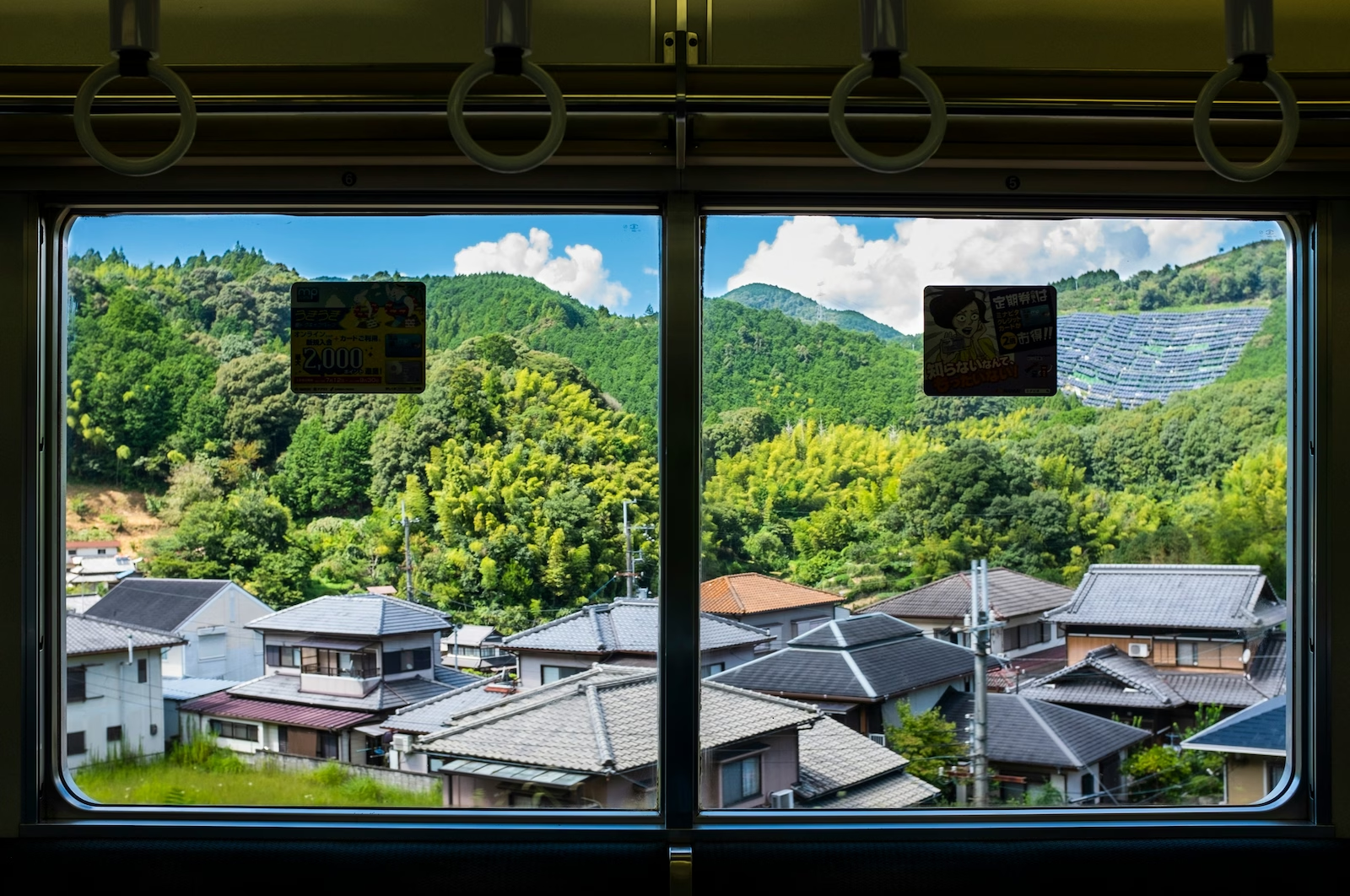
Japan’s efficiency can unintentionally make travel feel rushed. You arrive quickly, move quickly, and often leave quickly too. The Sunrise Express changes that rhythm. Watching cities fade into the countryside overnight and waking up somewhere entirely different creates a stronger sense of movement and distance.
You notice more. Small stations. Fishing towns. Mountain silhouettes at dawn. Things high-speed travel tends to erase.
It also encourages a different style of itinerary, with fewer destinations, more time in each one, and less obsession with maximizing every hour.
Tips for Booking the Sunrise Express
Tickets can sell out quickly, especially during holiday periods and cherry blossom season. Booking as early as possible helps, particularly for private compartments.
Japan Rail Pass holders can use the train, though some compartment types require additional fees. Even basic sleeping spaces are comfortable enough for most travelers, and the experience matters far more than luxury upgrades.
Pack lightly if possible. Train corridors are narrow, and hauling oversized luggage through sleeper cars is a quick way to lose your dignity before breakfast.
The Sunrise Express proves that slow travel still has a place in one of the world’s fastest countries. By stepping off in towns that many travelers overlook, the journey becomes far more than a practical overnight train ride. It turns into a quieter, more thoughtful way of seeing Japan – where the spaces between major destinations end up becoming the most memorable parts of the trip.



.avif)
.avif)
.jpg)