Vietnam is one of those countries that tends to surprise people. Whether it is the food, the landscapes, or the sheer variety of things to do, most travellers leave wondering why they did not come sooner. Ten days is a solid amount of time to get a real feel for the country, as long as you plan ahead, read our guide for the ultimate Vietnam 10 day itinerary!

Before You Go: Practical Basics
Before getting into the day by day breakdown, a few things worth knowing:
- Visa: Most nationalities now qualify for a 90-day e-visa, which you apply for online before travel. Check the official Vietnam immigration rules.
- Currency: Vietnamese Dong (VND). ATMs are widely available, but carry some cash for markets and smaller towns.
- Getting around: Domestic flights are cheap and save a lot of time. Trains are comfortable for overnight routes. Grab (the Southeast Asian Uber equivalent) is your best friend in cities.
- Weather: Vietnam is long and narrow, so weather varies significantly by region. October to April is generally the best time to visit the centre and south. The north has its own rhythm, so check forecasts closer to your travel date.
Vietnam Itinerary: Day by Day
Read on for our 10 day itinerary for your upcoming trip to Vietnam!
Day 1 and 2: Hanoi
Start your Vietnam itinerary in Hanoi, the capital. It is chaotic, noisy, and absolutely worth two days of your time.
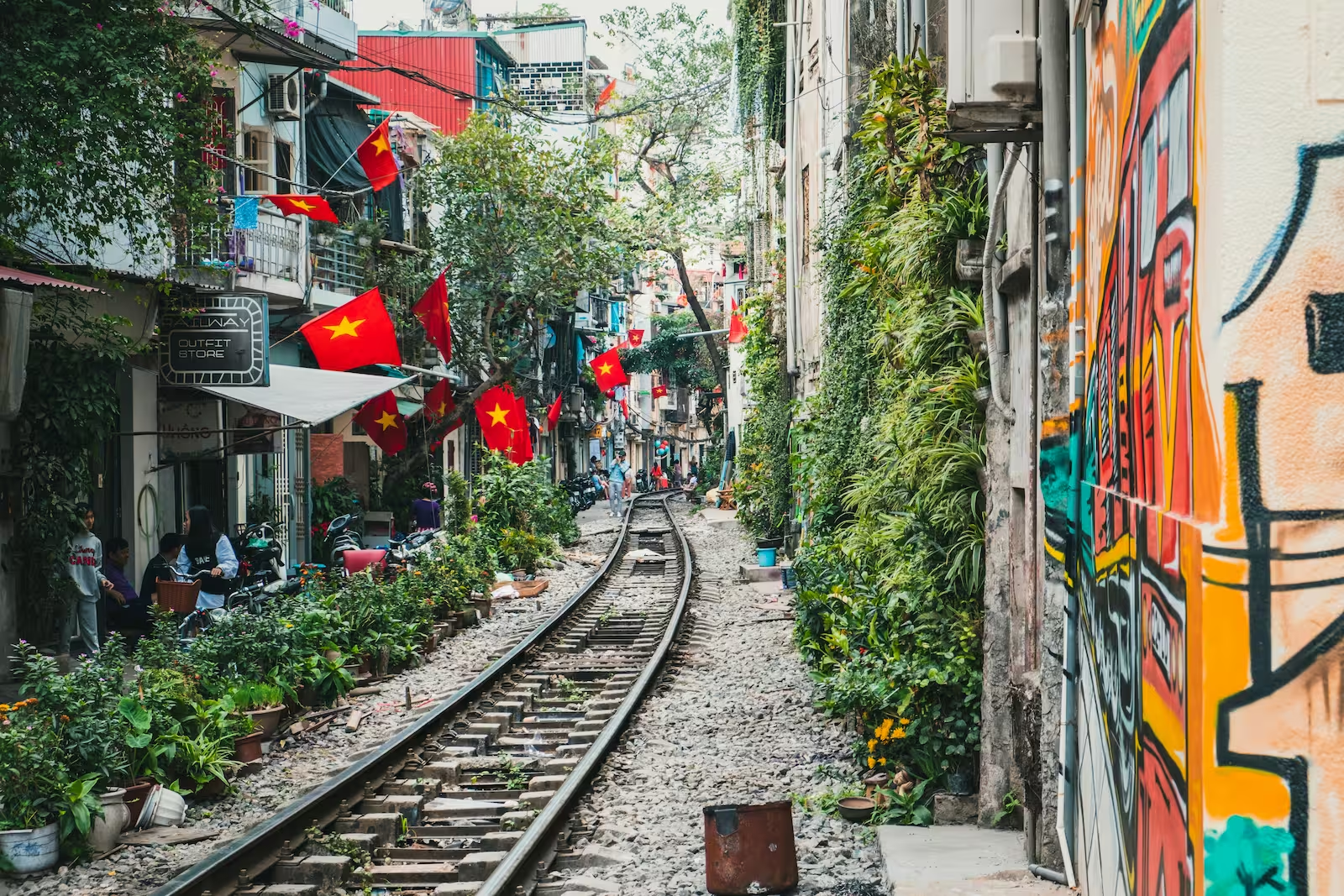
On your first day, focus on the Old Quarter. The streets are named after the goods historically sold there, and wandering them without a particular destination is genuinely enjoyable.
Day two is better spent on the bigger sights. The Ho Chi Minh Mausoleum complex is worth visiting for the surrounding area and the One Pillar Pagoda nearby, though the mausoleum itself has limited hours and occasional closures. Finish the evening in the Ta Hien street area!
Where to stay: The Old Quarter puts you close to everything. Accommodation ranges from budget hostels to mid-range boutique hotels.

Day 3: Ha Long Bay
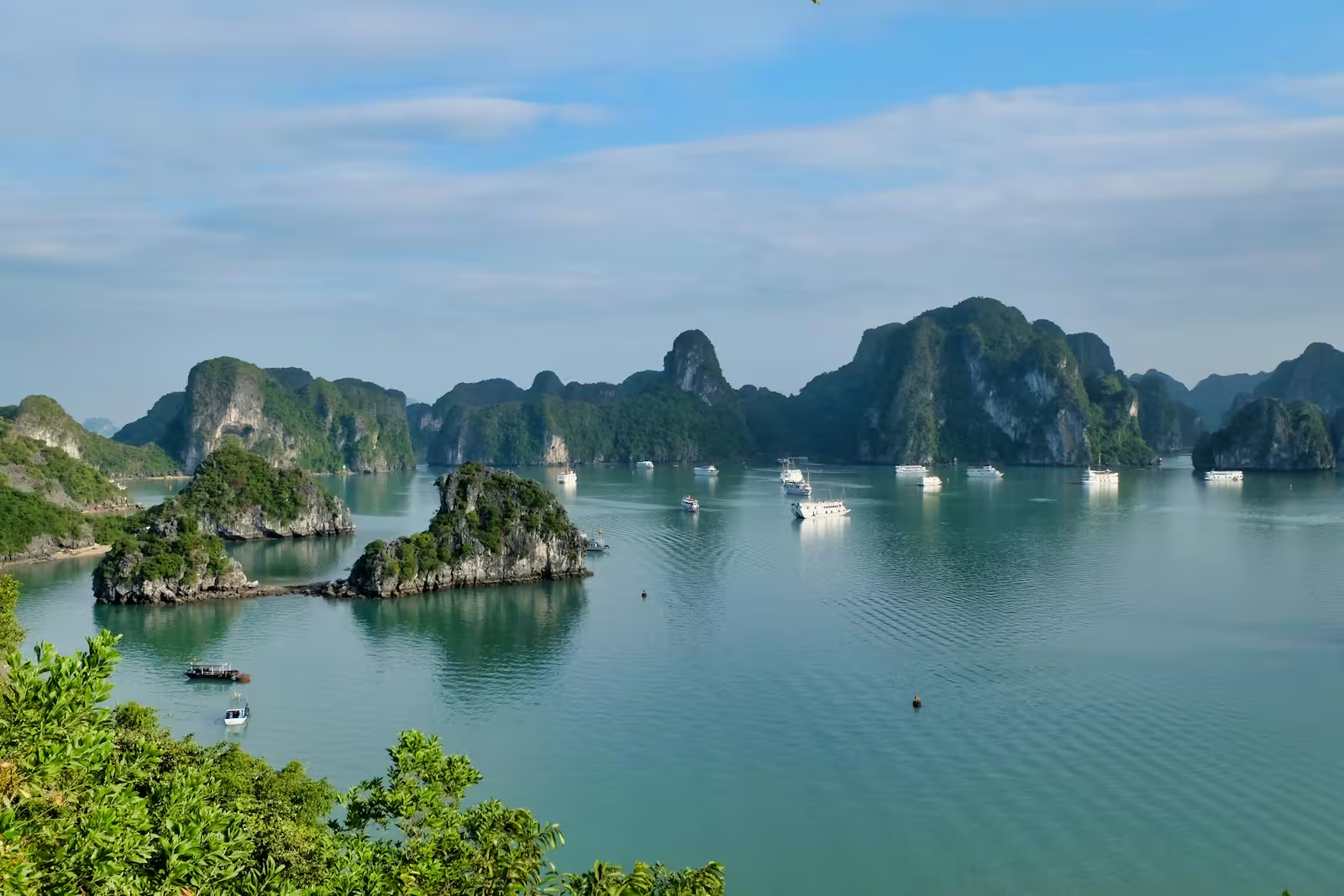
Ha Long Bay is one of the most well-known places to visit in Vietnam and, despite the crowds, it earns its reputation. The landscape of limestone karsts rising out of the water is genuinely dramatic.
The most practical way to visit is on an overnight cruise. If budget allows, one night on the water is the better option and lets you get out on a kayak in the morning before the day trippers arrive.
Tip: Lan Ha Bay and Bai Tu Long Bay are quieter alternatives that sit just outside the main Ha Long Bay zone and offer a very similar experience with fewer boats around.
Day 4: Travel Day to Hue (via Flight)
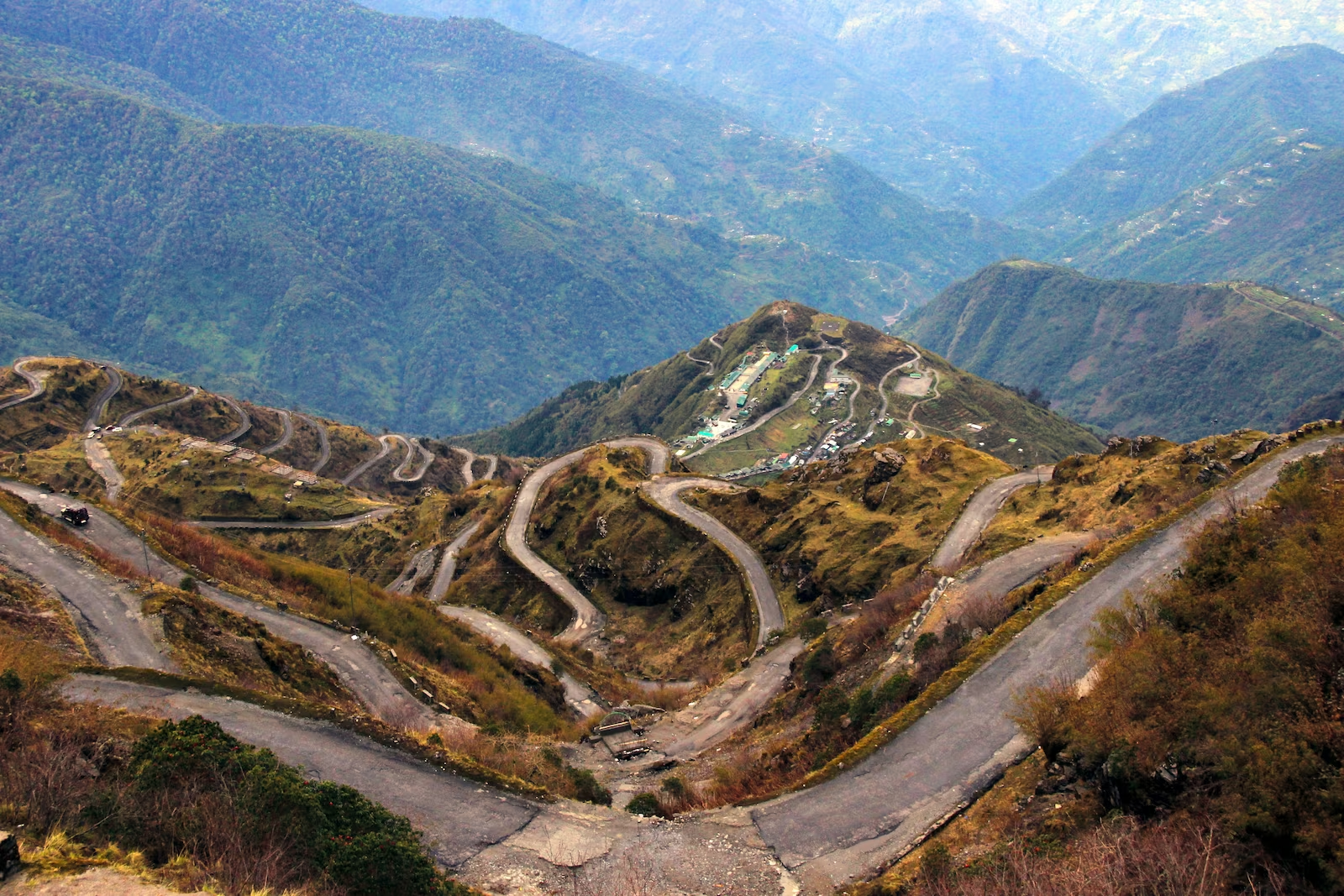
Take a morning flight from Hanoi to Da Nang (around 1 hour 15 minutes), then transfer by road to Hue. The drive from Da Nang to Hue crosses the Hai Van Pass, which is one of the more scenic road sections in the country. Some travellers hire a car or join a group transfer specifically to stop for photos along the route.
Arrive in Hue in the afternoon and spend the evening exploring the riverside area. The food in Hue has its own distinct character, particularly bun bo Hue (a spiced beef noodle soup that is much heavier than pho) and banh khoai (crispy rice flour pancakes).
.avif)
Day 5: Hue
Hue was the imperial capital of Vietnam from 1802 to 1945, and the Imperial Citadel is the main event. It is a large complex and worth a few hours of your time. Some sections were damaged during the Vietnam War and restoration is ongoing, which adds an interesting layer to the visit.
Outside the citadel, the Royal Tombs are scattered around the city and surrounding hills.

Day 6: Travel to Hoi An
The drive from Hue to Hoi An (about 3 hours) goes back over or around the Hai Van Pass and through Da Nang. If you did not stop properly on the pass on Day 4, do it now.
Arrive in Hoi An in the early afternoon. Walk the Ancient Town before it gets too busy. The old trading port architecture is well-preserved and the whole area is a UNESCO World Heritage Site. The town is best experienced on foot.
Day 7: Hoi An
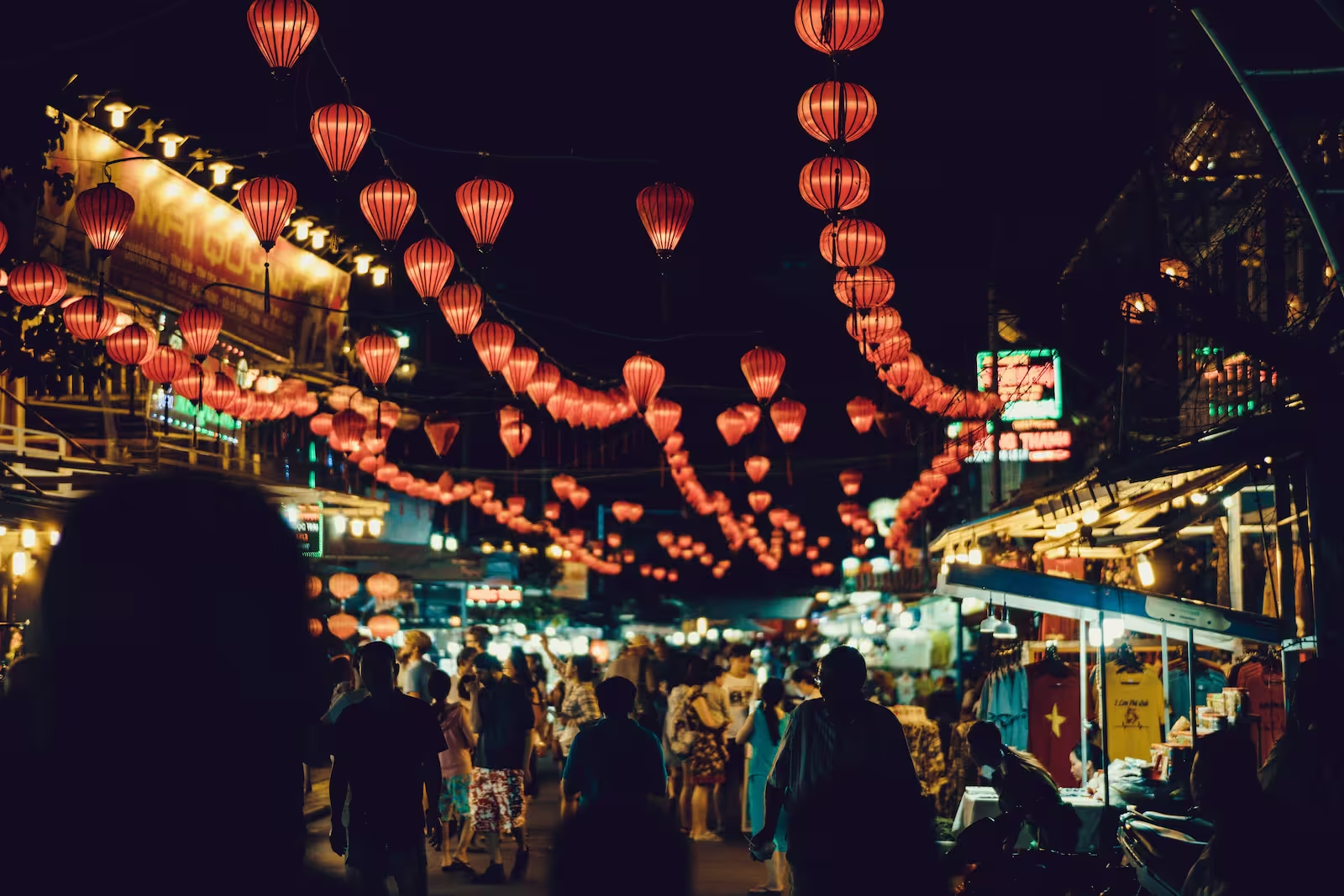
Hoi An rewards a slower pace. Spend the morning at An Bang or Cua Dai Beach (both about 5km from the Ancient Town by bicycle or scooter). The afternoon is a good time to visit the covered Japanese Bridge, the Assembly Halls, and to wander the back streets away from the main tourist drag, which are quieter and equally photogenic.
The night market along the riverside is worth an evening visit for street food.
Hoi An tip: Tailors are everywhere and the city is well-known for fast, affordable made-to-measure clothing.
Day 8: Day Trip to My Son Sanctuary
My Son is a cluster of Hindu temple ruins built between the 4th and 14th centuries, about 40km from Hoi An. It is a significant archaeological site and a very different kind of attraction to the rest of the vietnam itinerary, with a quieter and more reflective atmosphere.
Go in the morning to beat the heat and the larger tour groups. You can visit independently by scooter or join an organised half-day tour from Hoi An.
Day 9: Travel to Ho Chi Minh City (Saigon)
Fly from Da Nang to Ho Chi Minh City. Flights are frequent and usually around 1 hour 20 minutes.
Ho Chi Minh City (still called Saigon by most people who live there) is a completely different energy to anywhere else on this Vietnam 10 day itinerary. It is a modern, fast-moving city with a very different feel to Hanoi. The food scene here is excellent and ranges from street food to serious restaurants.

Day 10: Ho Chi Minh City
The War Remnants Museum is essential visiting. It is confronting in places, but it is one of the most significant and well-documented museums in the country and gives important context for modern Vietnam. Allow a couple of hours.
The Reunification Palace (formerly the Presidential Palace) is just nearby and worth a walk through for the time-capsule quality of its interiors, which look largely untouched since 1975.
Summary of Where to Visit in Vietnam
For this 10 day route, the key stops are:
- Hanoi (north) - culture, history, street food, and the Old Quarter
- Ha Long Bay (north) - karst seascape, best done overnight
- Hue (centre) - imperial history and distinctive local cuisine
- Hoi An (centre) - preserved trading port, beaches, and tailoring
- My Son (centre) - temple ruins, good for a half-day
- Ho Chi Minh City (south) - modern city, war history, food
Looking for other places to explore in South-East Asia? Check out our other blogs for more travel inspiration!
Ten days in Vietnam is enough to see a good spread of places to visit in Vietnam without feeling like you are ticking boxes at speed. The north-to-south route (or reverse) works well because it follows a logical geography, and domestic flights keep travel times manageable. Vietnam is also one of the more affordable destinations in Southeast Asia, so your budget tends to go further than expected, particularly on food and accommodation.
Starting from Skratch? Here are some links to help you get started:
- 17 Travel Tips to Know Before Visiting Vietnam | The Travelista
- 14 Things to Do in Da Nang: A Local’s Guide for First-Timers | Ahoy Vietnam
- The Ultimate Guide to Visit Hoi An, Vietnam | The Midnight Blue Elephant