Long before budget airlines and high-speed trains, trade routes connected continents, empires, and cultures. Spices, silk, gold, salt, and stories moved along these paths, leaving behind cities, traditions, and architecture that still exist today. What’s surprising is that many of these ancient trade routes are not just historical footnotes. They’re still in use, sometimes quietly, sometimes dramatically – and travelers can follow them in surprisingly accessible ways.
This guide explores ancient trade routes still in use today and explains how you can experience them without needing a camel caravan or a history degree.
The Silk Road through Central Asia
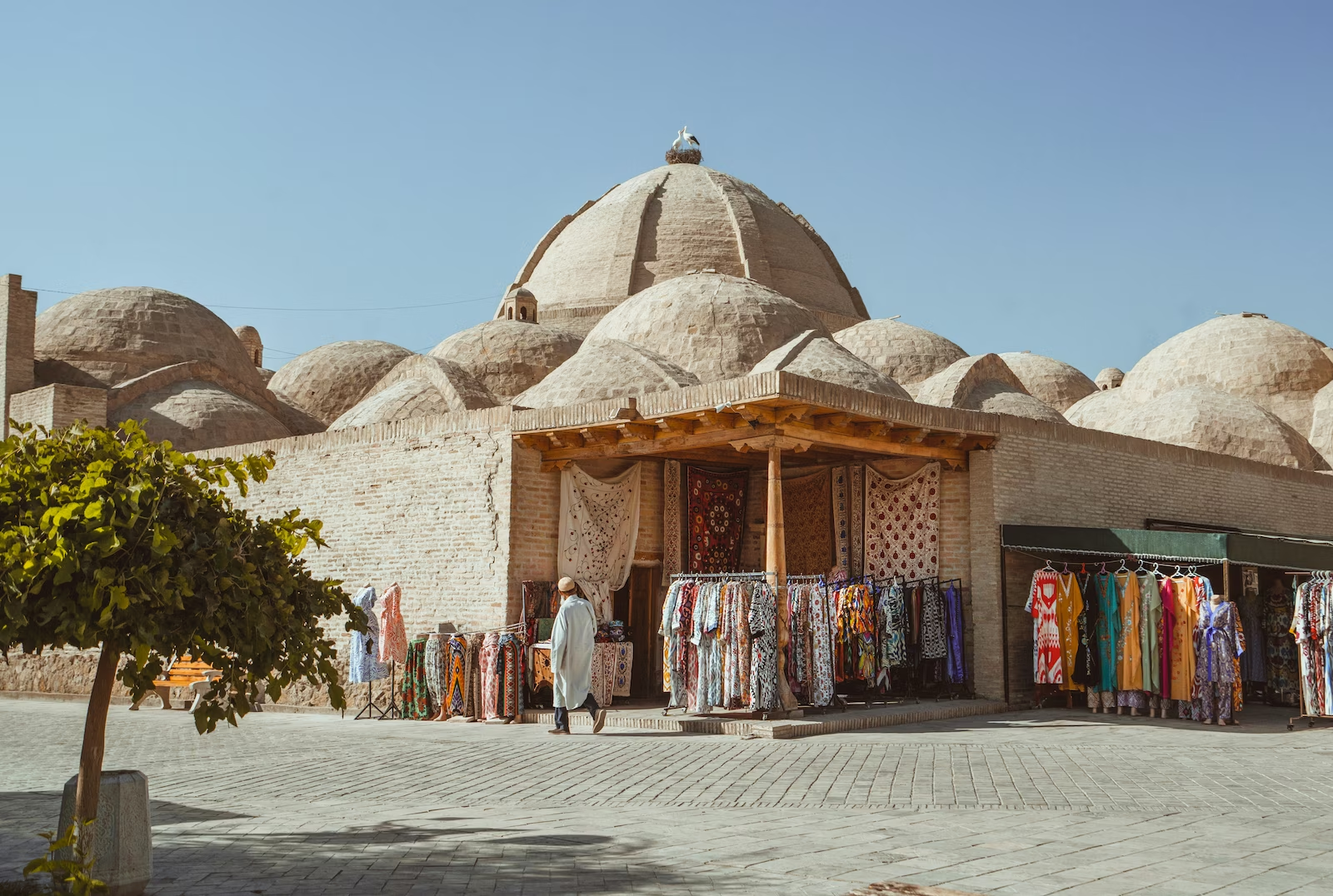
The Silk Road is the most famous trade network in history, linking East Asia to Europe for over a thousand years. While it wasn’t a single road but a web of routes, parts of it remain active corridors across Central Asia.
Modern highways and railways now trace stretches that once carried silk, spices, and ceramics. Cities like Samarkand and Bukhara still sit along these routes, their blue-tiled madrasas and caravanserais standing as reminders of their commercial past.
Traveling this ancient trade route today is surprisingly straightforward. Uzbekistan has invested heavily in tourism infrastructure, high-speed trains connect major cities, and border crossings in the region are far smoother than they once were. Overland travel between Kazakhstan, Kyrgyzstan, and Uzbekistan lets you follow Silk Road pathways through deserts and mountain passes, staying in restored merchant houses or family-run guesthouses.
The Incense Route in the Middle East
Long before oil reshaped the region, incense was one of the most valuable commodities in the world. Frankincense and myrrh traveled from southern Arabia northward through what is now Oman, Yemen, Jordan, and beyond.
Parts of this route are still visible in desert tracks and archaeological sites. In Oman, ancient frankincense trees still grow in the Dhofar region, and markets sell resin much as they did centuries ago. The port cities that once shipped incense across the Arabian Sea remain active hubs.
Travelers can explore segments of this route by road, visiting desert forts, coastal towns, and old caravan stops. Renting a car in Oman allows you to move at your own pace, driving through landscapes that once echoed with trade caravans moving slowly across sand and stone.

The Trans-Saharan Trade Route
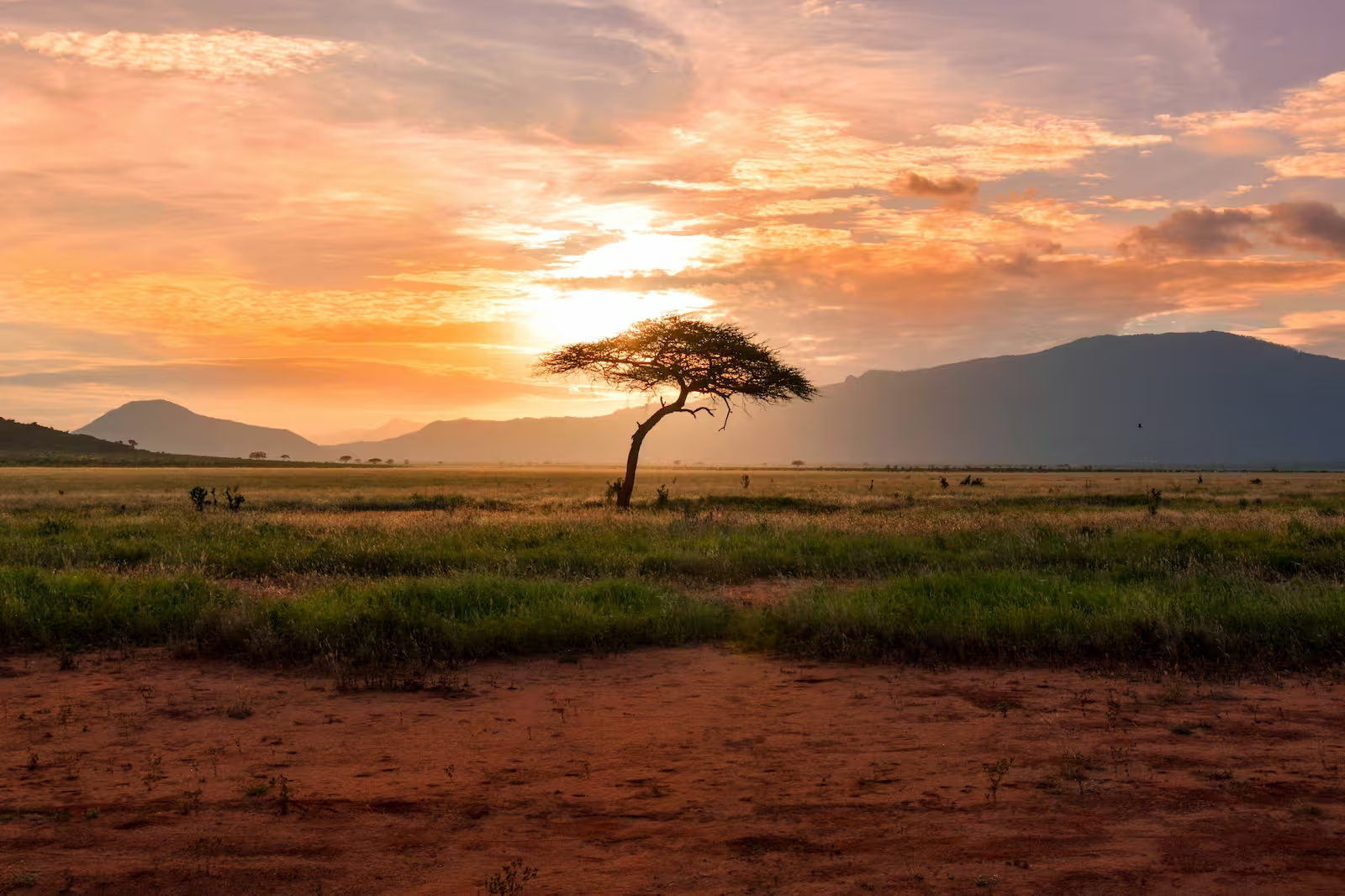
The Trans-Saharan trade routes connected sub-Saharan Africa to North Africa and the Mediterranean, transporting gold, salt, and textiles. While large-scale camel caravans are no longer common, modern roads and transport lines follow similar paths.
Cities like Timbuktu grew rich from this trade and still carry that legacy. In Morocco, desert towns such as Merzouga and Zagora sit along historic caravan routes that travelers can now experience via guided desert trips.
You won’t be hauling salt slabs across dunes, but you can travel sections of this ancient trade route by 4x4, camel trek, or bus, depending on your appetite for comfort. The sense of scale in the Sahara remains unchanged, and the desert still dictates the rhythm of movement.
The Amber Road in Europe
Before Rome dominated Europe, amber from the Baltic coast was traded southward to the Mediterranean. The Amber Road linked what is now Poland and the Baltic states to Italy and beyond.
Today, highways and railways loosely follow the same north-south axis. Gdańsk still sells amber jewelry, and museums across Central Europe tell the story of this once-precious stone.
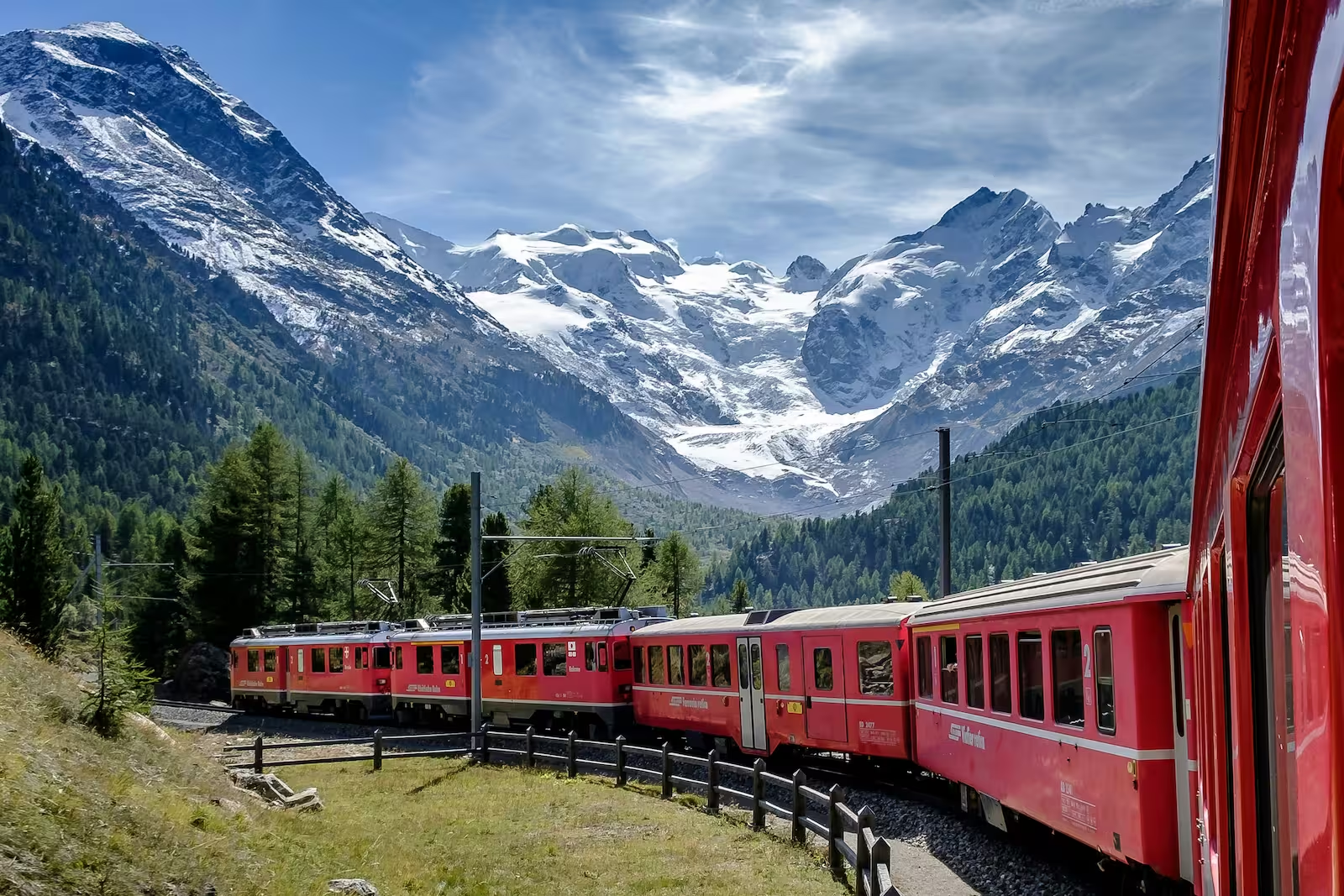
Traveling the Amber Road can be as simple as planning a rail journey from the Baltic coast through Poland and into Central Europe. The route feels modern, but its commercial roots run deep.

The Tea Horse Road in China
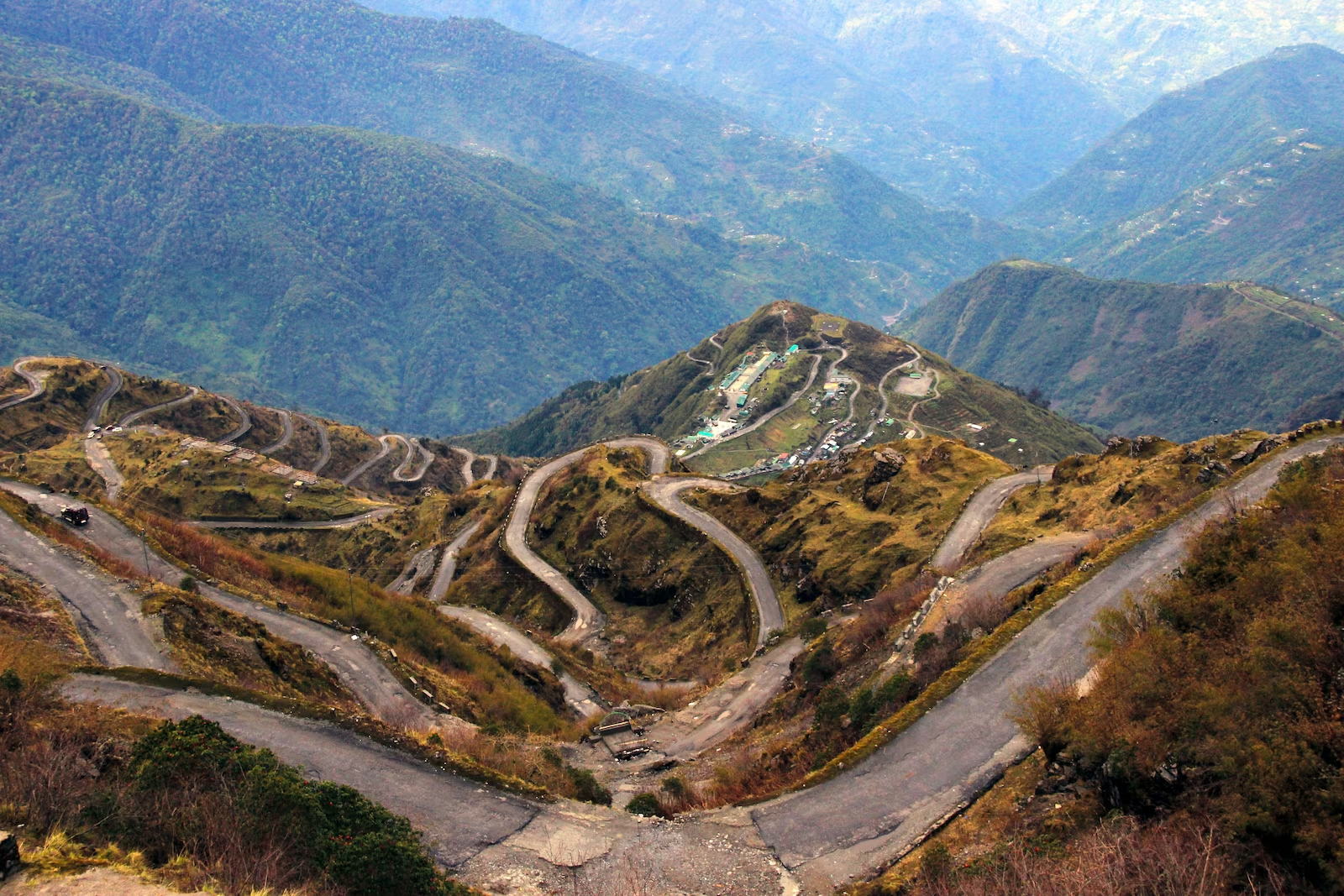
The Tea Horse Road connected tea-producing regions of southwestern China with Tibet and beyond. Tea bricks were traded for horses, and caravans crossed steep mountain terrain that remains dramatic today.
Modern roads now cut through these mountains, but sections of the old paths still exist and are used by hikers and local communities. Towns along the route preserve architecture and traditions shaped by centuries of trade.
Travelers can explore parts of this ancient trade route by bus or private car, and adventurous hikers can follow original stone-paved sections through rural villages. The landscape is challenging but deeply rewarding.
The Mekong River Trade Route
Rivers have always been trade highways, and the Mekong is no exception. For centuries, goods moved between what are now China, Laos, Thailand, Cambodia, and Vietnam along its waters.
Today, the Mekong remains an active transport route. Cargo boats, ferries, and passenger vessels all use the river, often along similar stretches that were busy hundreds of years ago.
Travelers can take slow boats between northern Thailand and Laos, cruising through jungle-lined banks and small riverside towns. It’s one of the easiest ancient trade routes to experience firsthand, and the river’s steady flow makes it feel timeless.
How to Travel Ancient Trade Routes Responsibly
Following ancient trade routes isn’t about reenacting history. It’s about understanding how movement shaped culture and still influences daily life. Many of these routes pass through communities that rely on tourism, but they also face modern pressures from development and climate change.
Travel slowly. Use local guides when possible. Stay in locally owned accommodations. Learn the history before you go so that ruins and markets feel meaningful rather than decorative.
Ancient trade routes were built on exchange: goods, ideas, languages. Traveling them today works best when it still feels like an exchange, rather than consumption.