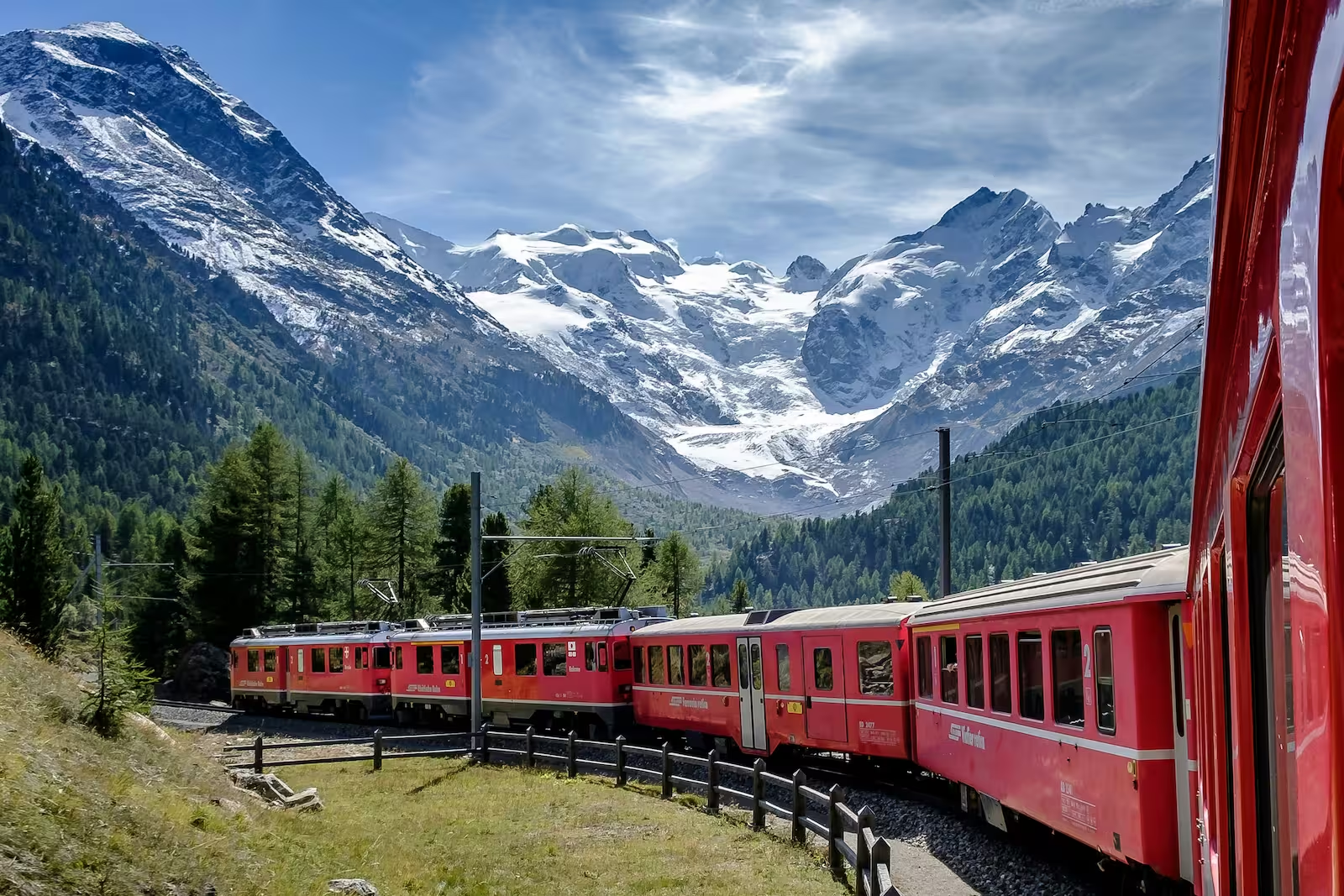
The Bernina Express is widely considered the ultimate train through the Swiss Alps. In just four hours, you travel from the high-altitude glaciers of Graubünden down to the palm trees of northern Italy. It is a UNESCO World Heritage journey that covers 122 kilometers, 196 bridges, and 55 tunnelsWhether you are a dedicated rail fan or just looking for the perfect vacation photo, this route offers a perspective on the mountains that you simply cannot get from a car.

Planning Your Trip
Before you set off on the Bernina express route, you have a few choices to make regarding your travel style. While most people picture the big panoramic windows, there are actually two ways to experience this journey: the official panoramic Bernina Express and the standard regional. Both travel the exact same tracks, but the experience is slightly different.
- The Bernina Express offers a premium panoramic experience with mandatory reservations, ceiling-high scenic windows, and onboard commentary. It departs only a few times daily.
- The Regional Train provides flexible hourly service. Its standard windows often open, and its low, optional reservation fee makes it ideal for spontaneous trips.
Cost of Tickets
The full route from Chur to Tirano, a standard second-class ticket costs approximately $83. If you choose the premium panoramic experience, the seat reservation fee adds roughly $45 to your total, bringing the full price to about $128 per person. You can save money by looking for Saver Day Passes which can start around $53, while travelers with a Swiss Travel Pass or Eurail Global Pass ride for free and only need to pay the reservation supplement to board the panoramic coaches.
History
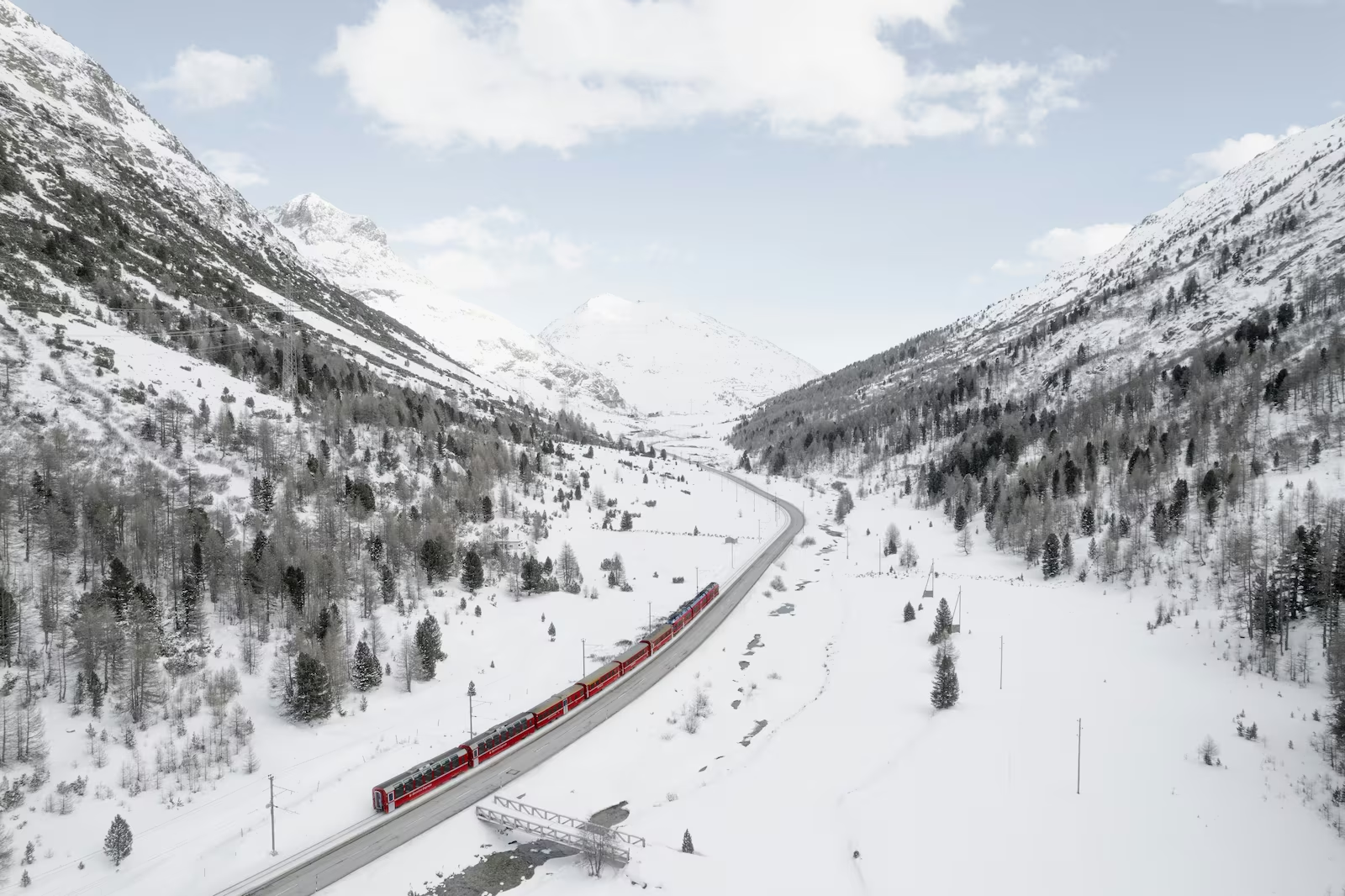
Over 100 years ago, engineers designed an intricate system of 196 bridges and 55 tunnels to make this possible. The tracks that carry the Bernina Express are a masterpiece of early 20th century engineering. The network is operated by the Rhaetian Railway (RhB) and was constructed in two main stages. The Albula line (the northern half) was built between 1898 and 1904, while the Bernina line (the southern half) was finished in 1910.
In 2008, the entire route was designated as a UNESCO World Heritage Site because of how perfectly it integrates with the rugged mountain landscape.
The Journey
Nestled in the Swiss Alps, the Bernina Express route is one of the most spectacular train journeys in the world, connecting Switzerland and Italy through dramatic mountain landscapes.
Chur: The Starting Point
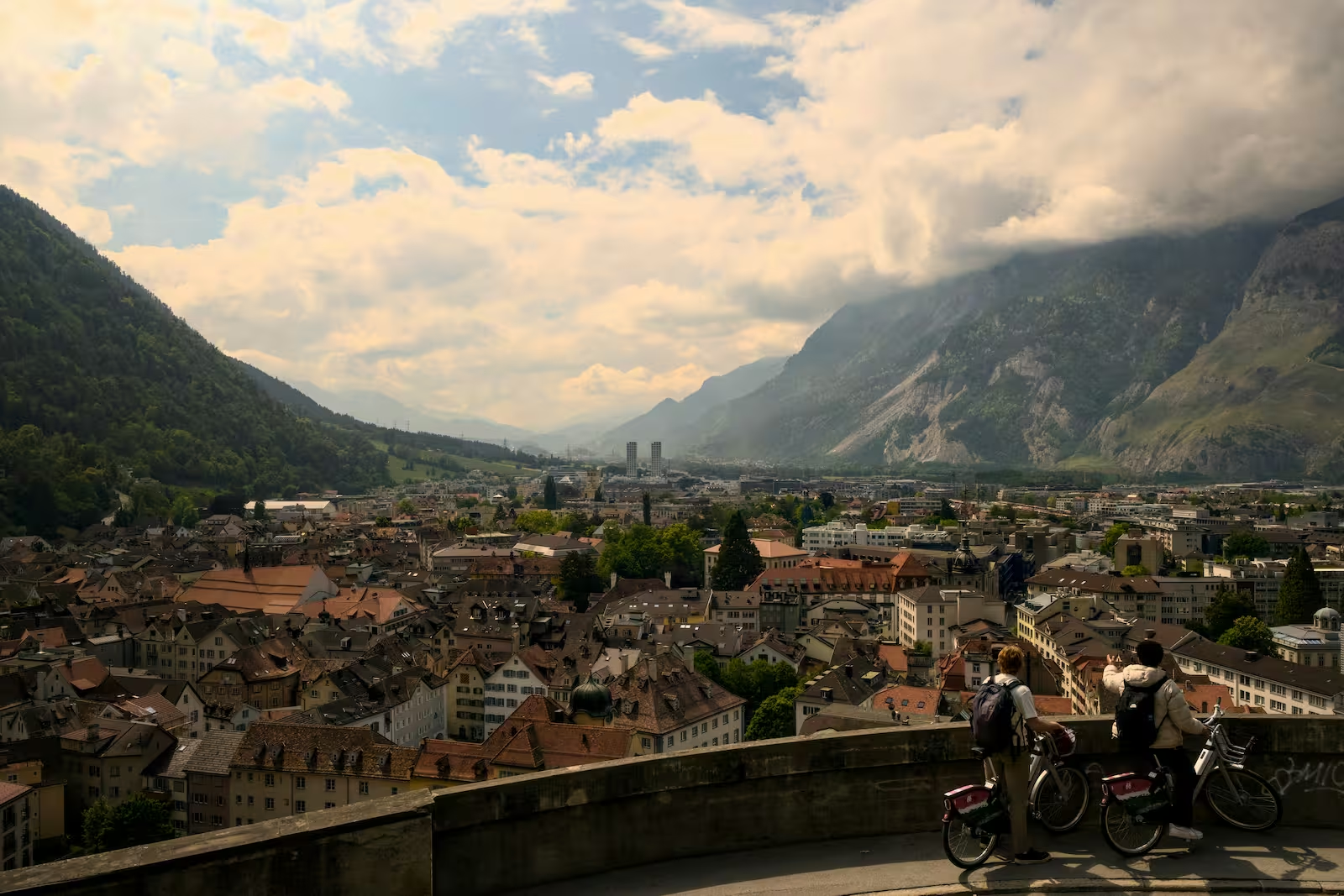
Chur serves as the northern starting point for the long version of the bernina express route. As the oldest town in Switzerland, with a history reaching back over 2,000 years, it provides a historic backdrop for your departure.
Domleschg Valley: Castle Corridor
Leaving Chur, the train travels through the Domleschg Valley, which is famous for its high density of castles. This stretch follows the Rhine before the serious climb begins.
Filisur: The Iconic Viaduct
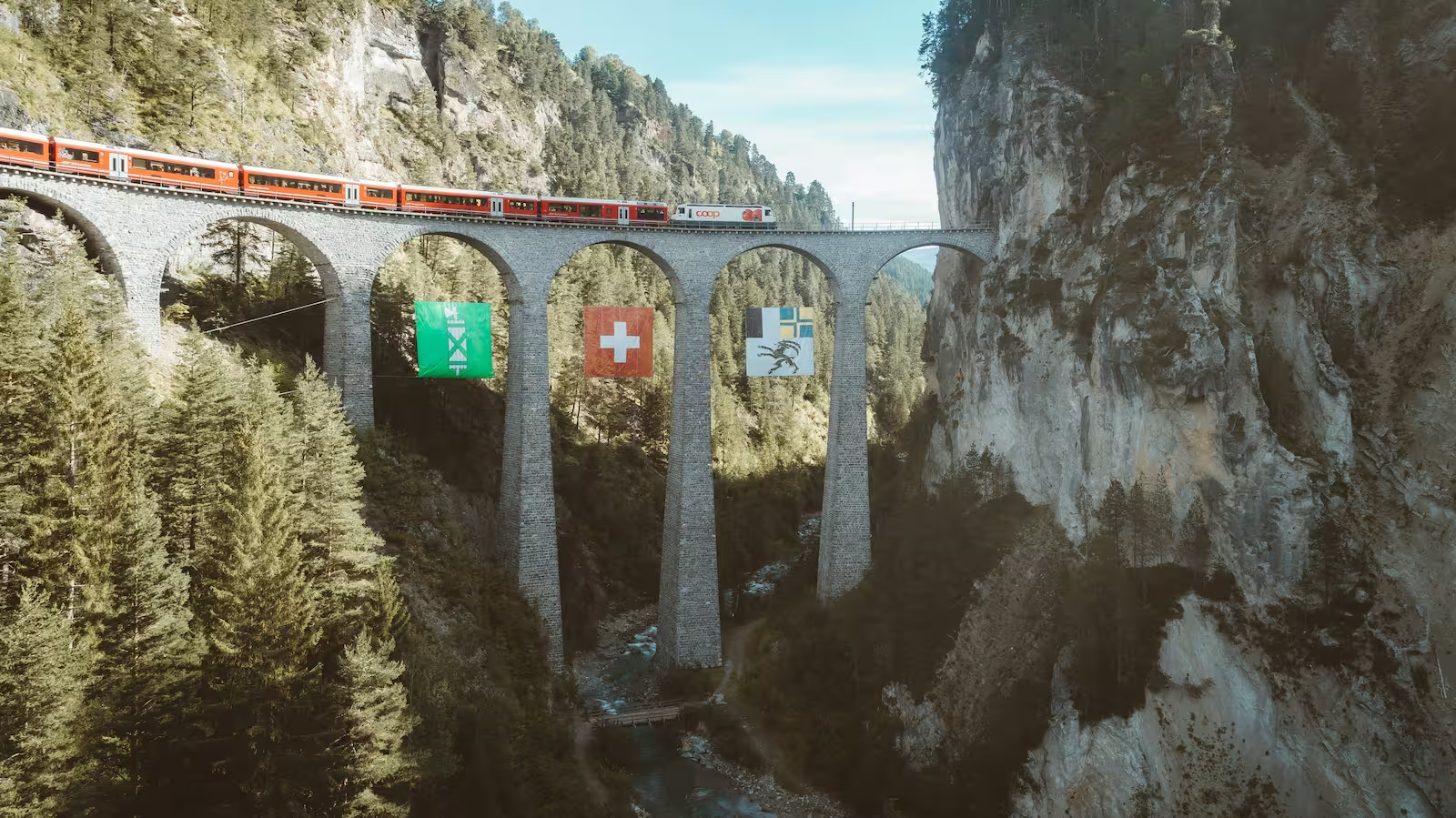
Filisur is the gateway to the most iconic structure on the entire line: the Landwasser Viaduct. Standing 65 meters tall, this six arched stone bridge leads the train directly into a tunnel carved into a vertical cliff face. It was built in 1902 without the use of traditional scaffolding, which was a massive achievement at the time.
Bergün: Spirals and Loops
This section of the track is where you will see the engineers' creativity in action. To climb the steep terrain between Bergün and Preda, the train travels through a series of spiral tunnels and loops. If you look out the window, you might see the same village three different times from different altitudes as the train corkscrews upward.
Fun Fact: Bergün station is home to the Albula Railway Museum, with over 600 exhibits!
St. Moritz: Alpine Glamour
St. Moritz is world famous for its luxury hotels and winter sports, but it is also a secondary starting point for shorter Bernina Express trips. The station is located right next to the lake and features the longest escalator in Switzerland to help you reach the town center above.
Ospizio Bernina: The High Point
At 2,253 meters above sea level, Ospizio Bernina is the highest point on the route. The station sits beside Lago Bianco (White Lake), which gets its unique milky color from glacial silt ight next to it is the darker Lago Nero (Black Lake). Even in the middle of summer, you can often see ice and snow at the summit. The station serves as a popular starting point for hikers who want to experience the high alpine environment before the train begins its long descent toward the south.
Alp Grüm: The Panoramic Balcony
Alp Grüm is a unique station because there are no roads leading to it (you can only get there by train or by foot). The train usually stops here for a few minutes, giving you a chance to step out and see the Palü Glacier and the Valposchiavo valley spread out below you.
Looking for another train journey to experience the Swiss Alps? Check out our guide on the Glacier Express!

Poschiavo: A Touch of Italy
As you enter Poschiavo, the atmosphere shifts. The architecture is dominated by 19th century palazzi built by residents who returned with fortunes from abroad. The town square, Piazza da Cumün, is a perfect place to see the blend of Swiss organization and Italian style.
Brusio: The Spiral Viaduct
The Brusio Spiral Viaduct is the final engineering highlight of the trip. This nine arched stone viaduct allows the train to travel in a complete circle to lose height quickly in a small space. It is one of the most photographed spots on the line because of how the train crosses over itself as it travels through the loop.
Tirano: The Italian Finish
The journey ends in Tirano, located just across the border in Italy. One of the most unique moments of the trip happens right before you reach the station, as the train tracks run directly through the square in front of the 16th century Sanctuary of the Madonna di Tirano.
Connecting Further
After exploring Tirano, you can take a regional train directly to Milan in about two and a half hours, or hop off earlier to enjoy the shores of Lake Como. For those seeking relaxation, the nearby town of Bormio offers world class thermal spas perfect for unwinding after your mountain journey.
Check our our dedicated series for other great train journeys!