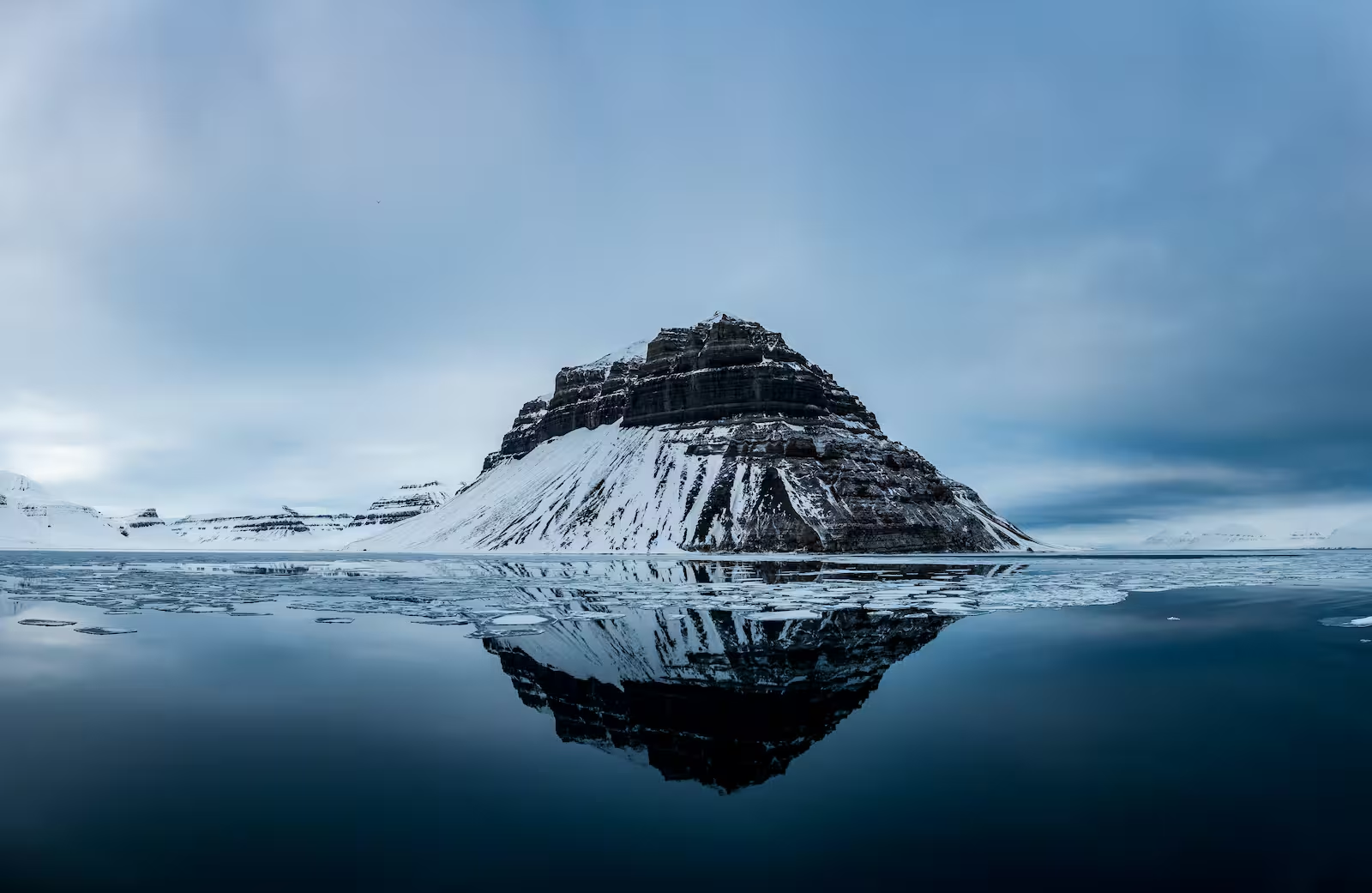
If you have ever wanted to stand at the edge of the world, Svalbard is likely on your bucket list. Located about 800 kilometers from the North Pole, this Arctic archipelago is a place of dramatic landscapes, polar bears, and a surprisingly cosmopolitan lifestyle. This guide covers everything you need to know about visiting Svalbard, from the logistics of arriving at the northernmost commercial airport to exploring its unique Russian outposts and scientific hubs.
Getting There: Your Arctic Journey
Figuring out how to get to Svalbard Norway is easier than many people expect. Because there are no regular passenger ferries or ships from the mainland, you will be traveling by air. Most flights originate from Oslo or Tromsø, with Scandinavian Airlines (SAS) and Norwegian being the main carriers. A flight from Oslo takes around 3 hours, while the hop from Tromsø is about 90 minutes.
Svalbard is not part of the Schengen Area. This means even Norwegian citizens must bring a passport or national ID card for identity checks.
Your first point of contact will be Svalbard Airport which sits just 3 to 5 kilometers outside the main town of Longyearbyen. It is the northernmost airport in the world with scheduled public flights. Once you land, a dedicated airport shuttle bus meets every scheduled arrival and will drop you off at any hotel or guesthouse for a fee of about 110 NOK.
Longyearbyen
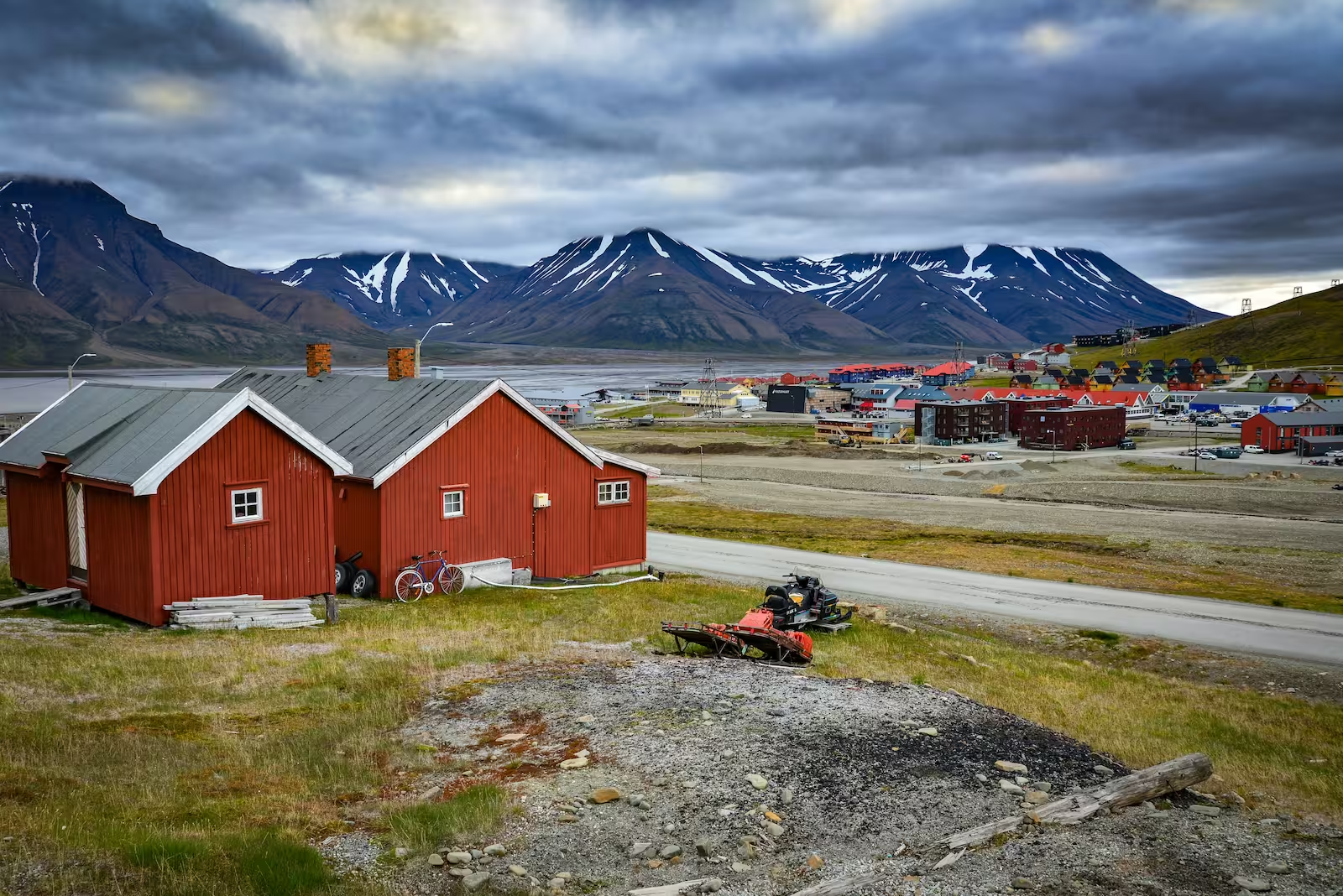
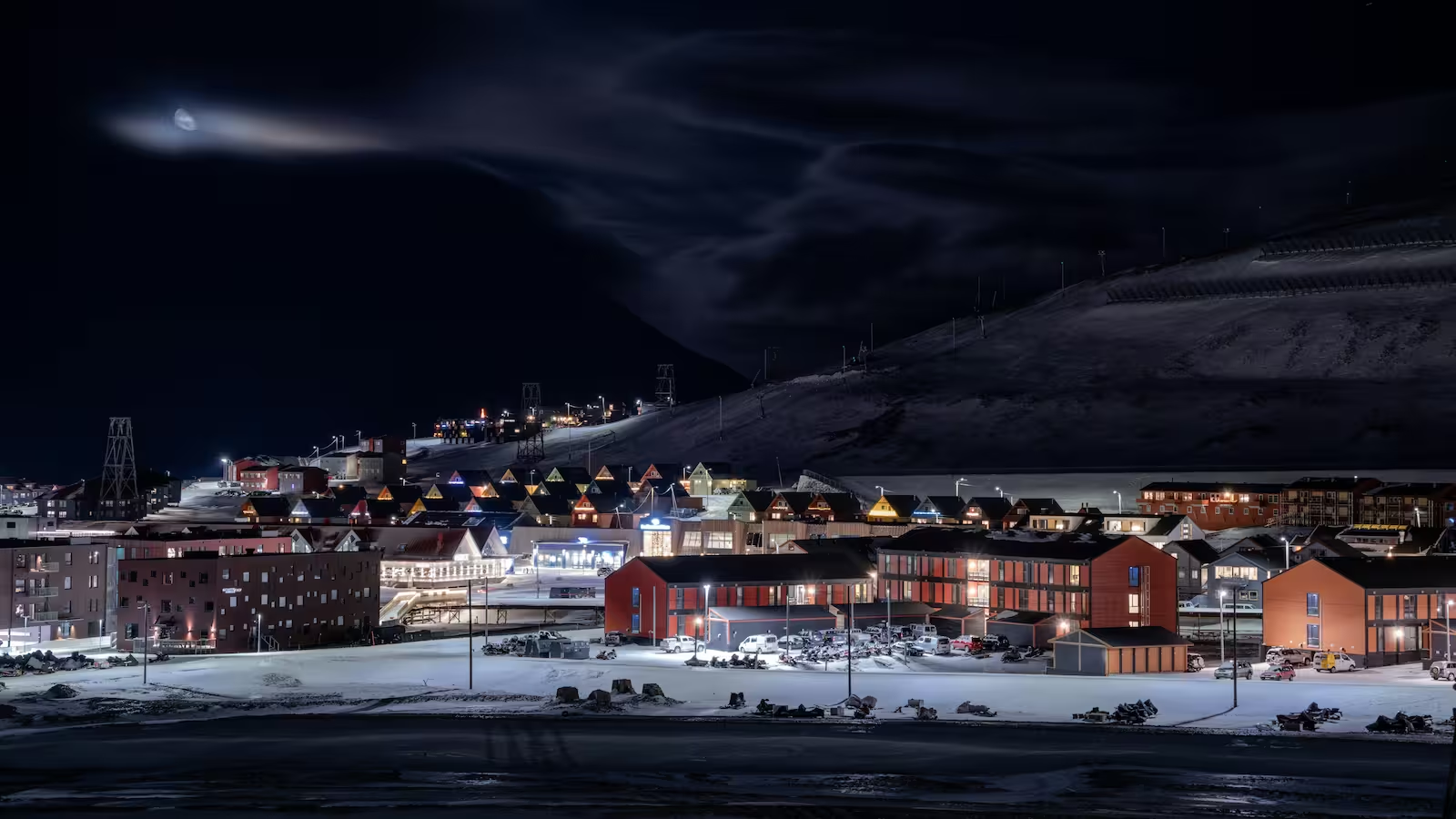
Longyearbyen is the administrative heart of the islands and where most visitors spend their time. With a population of roughly 2,500 people from over 50 different countries, it is a small town with a big personality.
The Modern Arctic Hub
Despite its remote location, Longyearbyen is incredibly modern. You will find high-end restaurants, a university, a hospital, and even a local brewery. It is a tax-free zone, making it a popular spot for shopping for high-quality outdoor gear or local souvenirs. One quirk you should know is that the streets do not have names: they are simply numbered.
Local Traditions
When you enter a hotel, restaurant, or even the museum, you will often see a rack of slippers. It is a long-standing tradition to take your shoes off indoors to keep out the coal dust that used to plague the town in its mining days.
Svalbard Tours
Most Svalbard tours start in Longyearbyen. In the Winter, you can head out on snowmobiles or dog sleds to chase the Northern Lights. During the polar summer, when the sun never sets, boat trips and kayaking expeditions become the best way to see the massive glaciers and local wildlife like walruses and seals.
Barentsburg
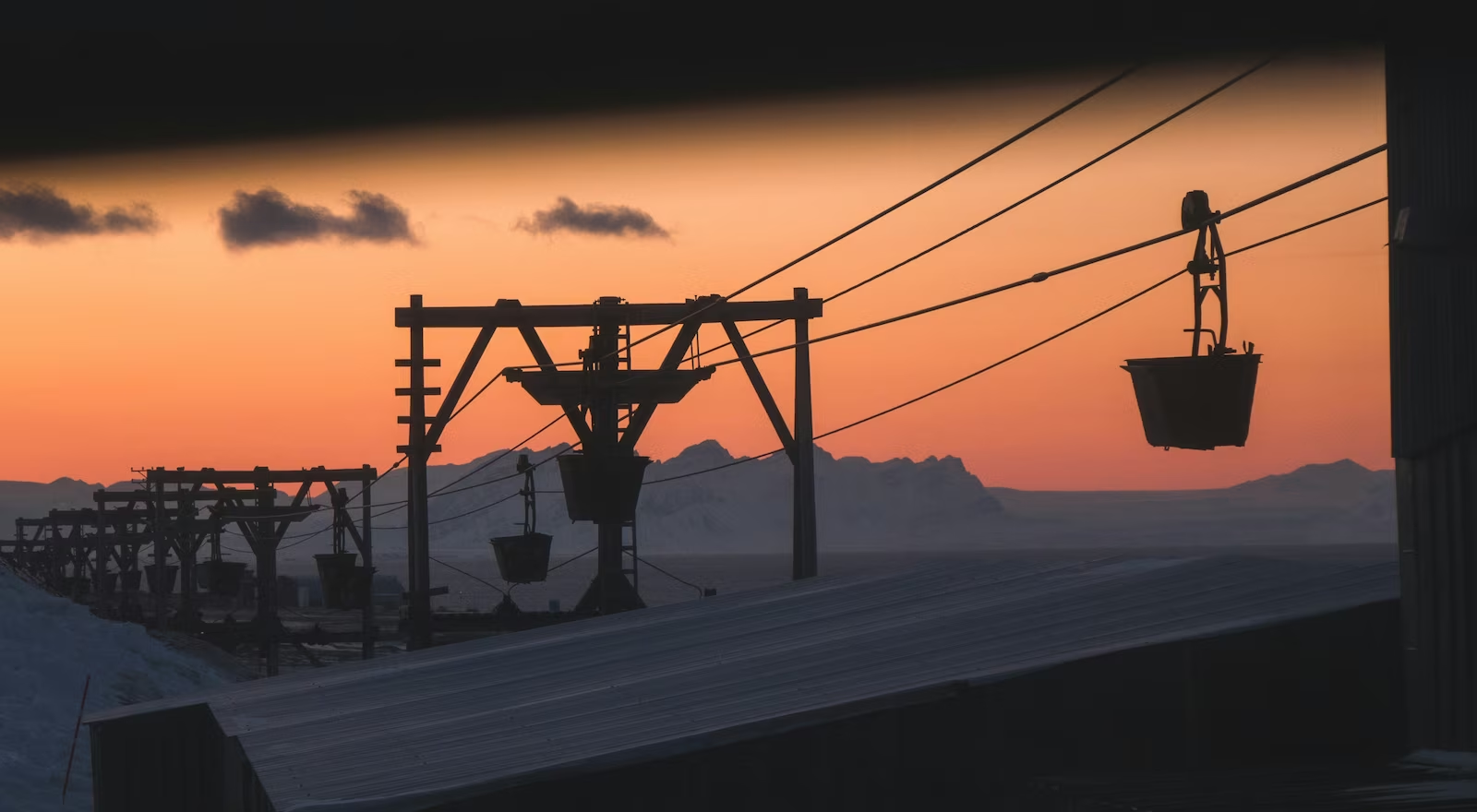
A trip to Barentsburg feels like stepping into a different country. This is the last inhabited Russian settlement on Svalbard, located about 60 kilometers from Longyearbyen.
A Russian Outpost in the North
Home to about 450 people, Barentsburg is still an active mining town. The architecture is distinctly Soviet-style, and a bust of Lenin still watches over the central square. You can reach Barentsburg via a boat tour in the summer or a snowmobile trip in the winter. While there, you can visit the Pomor Museum or try the local Russian cuisine and beer brewed with glacier water at the northernmost brewery.
Ny-Ålesund
Ny-Ålesund is not your typical tourist destination. It is a world-class research station where science is the priority.
The World of Science
Researchers from over 10 different countries live here, studying everything from the atmosphere to marine biology. Because of the sensitive scientific instruments in use, there is a mandatory radio silence within a 20-kilometer radius of the settlement. This means you must turn off Wi-Fi and Bluetooth on all your devices, including phones and cameras.
Rules for Visitors
Most people visit Ny-Ålesund as part of an organized cruise or boat trip. You are required to stay on the gravel roads or wooden boardwalks at all times to avoid disturbing sampling sites or the fragile tundra. There is no commercial accommodation here, but you can visit the local museum and the northernmost post office.
For more snowy travel inspiration, read our guide on how to visit Antarctica on a budget.
Wildlife of the High Arctic
Svalbard is home to a unique range of animals that have adapted to the extreme cold. While the polar bear is the most famous, there is much more to see.
Land Mammals and Reindeer
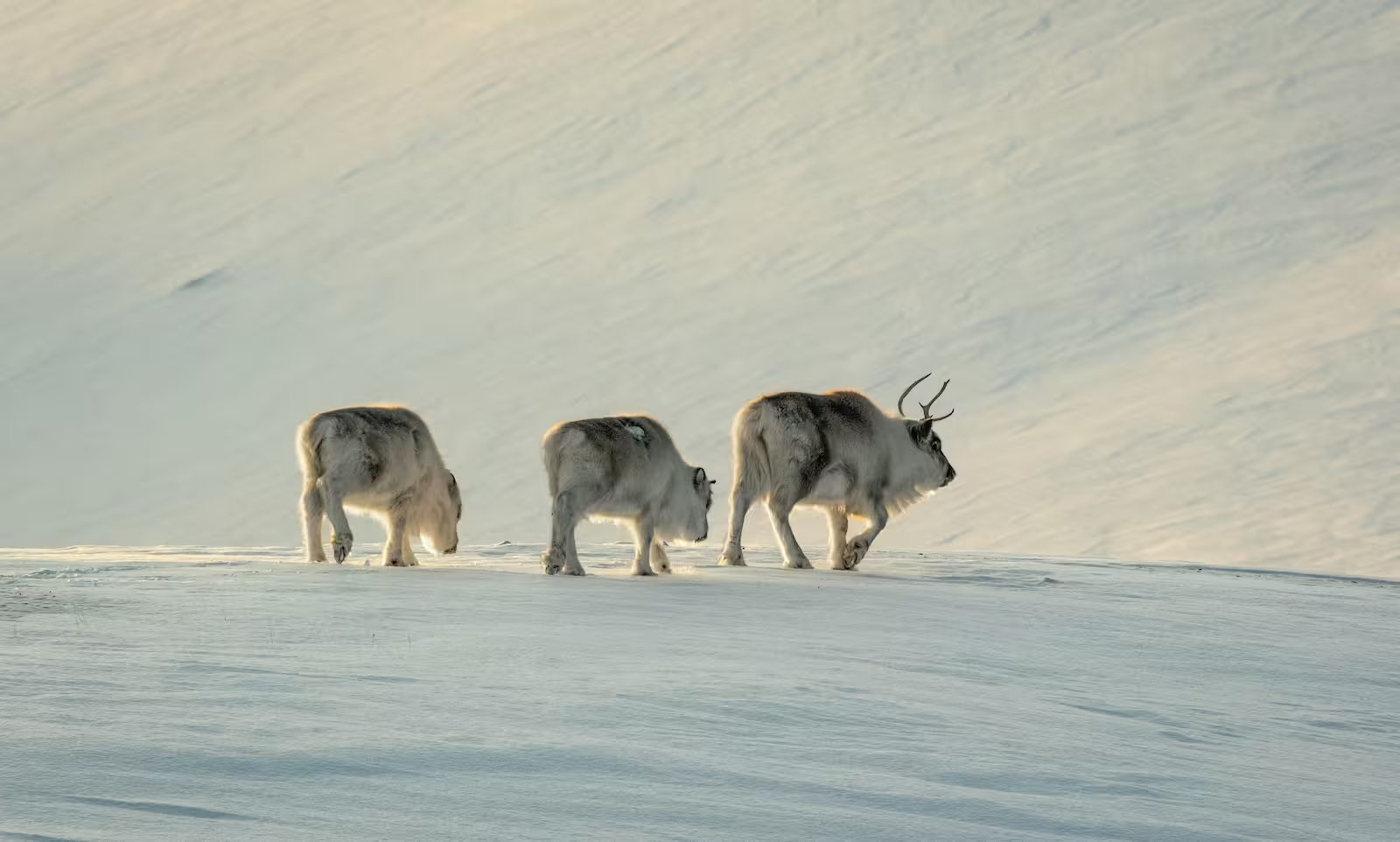
The Svalbard reindeer is a distinct subspecies found only here. They are smaller and have shorter legs than mainland reindeer, which helps them conserve heat. You will often see them wandering right through Longyearbyen. Arctic foxes are also common year-round. They are scavengers that follow polar bears or hunt for birds, and they often change their coat color from brown in summer to pure white in winter.
Marine Life and Bird Cliffs
During the summer months from June to September, the waters around Svalbard are full of whales. You might see minke, fin, or even the massive blue whale. Walruses are another highlight, often found in large groups called haul-outs on beaches.
If you enjoy birdwatching, the cliffs at Alkefjellet are a must-see!
Practical Things to Know
There are several quirks to life on Svalbard that every visitor should understand before they arrive.
Alcohol Quotas and Shopping
If you want to buy beer or spirits at the local liquor store (Nordpolet), you must show your return flight ticket. There are strict limits on how much you can buy per month. However, this quota does not apply to wine or to drinks purchased in bars and restaurants.
Staying Safe
Safety is a major part of Arctic life. You cannot leave the town limits of Longyearbyen without a guide who carries a rifle for polar bear protection. New environmental regulations starting in 2025 and 2026 also mean that visitors must keep a minimum distance from polar bears: 300 meters from July to February and 500 meters from March to June. Drones are also banned in all protected areas, which cover 65% of the islands.
Connectivity and Currency
Mobile phone coverage is excellent in Longyearbyen, and most European roaming plans work here just as they do in mainland Norway. Telenor generally offers the best coverage outside the town center. For money, the currency is Norwegian Kroner (NOK), but cards are preferred almost everywhere. There are no ATMs on the islands, so if you really need cash, withdraw it on the mainland before you fly.
Check out our series, Off The Beaten Path for more travel ideas!


.avif)