Botswana has a reputation for doing safaris differently, and mobile safaris sit right at the heart of that approach. Instead of staying in permanent lodges with infinity pools and cocktail menus, you move through the wilderness with your camp, following wildlife patterns and seasonal changes. It’s immersive, practical, and surprisingly comfortable. If you’re curious about what a Botswana mobile safari actually involves, who it’s for, and whether it’s worth the investment, this guide walks you through it all.
What Is a Mobile Safari in Botswana?
A Botswana mobile safari is exactly what it sounds like: a safari where your camp moves as you travel through different regions. You sleep in walk-in tents, eat meals prepared by a camp team, and spend your days exploring national parks and private reserves by open safari vehicle.
Unlike lodge-based safaris, mobile trips allow you to reach remote areas where wildlife is abundant and crowds are almost nonexistent. Camps are temporary and leave no trace behind, which fits perfectly with Botswana’s strong conservation values.
Despite the word “mobile,” you’re not packing tents yourself or cooking over a fire unless you choose a budget, participation-style safari. Most mobile safaris are fully serviced, meaning staff handle setup, meals, and logistics while you focus on the experience.
Why Botswana Is Perfect for Mobile Safaris
Botswana’s landscape is vast, protected, and sparsely populated, making it ideal for mobile travel. Huge portions of the country are designated as national parks or wildlife management areas, and strict tourism limits keep numbers low.
The Okavango Delta, Chobe National Park, Moremi Game Reserve, and the Central Kalahari all work beautifully with mobile camps. Wildlife moves with water and seasons here, and mobile safaris allow you to follow that rhythm rather than staying fixed in one location.
This flexibility is one of the biggest advantages—if conditions shift, camps can relocate to better areas instead of waiting for animals to come to them.
What Daily Life on a Mobile Safari Is Like
Days usually begin early, with coffee or tea served as the sun comes up. Morning game drives take advantage of cooler temperatures and peak animal activity. You return to camp for breakfast, rest during the heat of the day, then head out again in the afternoon.
Evenings are quiet and atmospheric. Dinner is often served by lantern light, followed by conversations around the fire while the sounds of the bush take over. You fall asleep listening to lions, hyenas, and the night shifting around you.
Facilities are simple but well thought out. Tents are spacious, beds are comfortable, and bucket or solar-heated showers are common. It’s not luxury in the traditional sense, but it’s deeply comfortable once you settle into the rhythm.
Wildlife You Can Expect to See
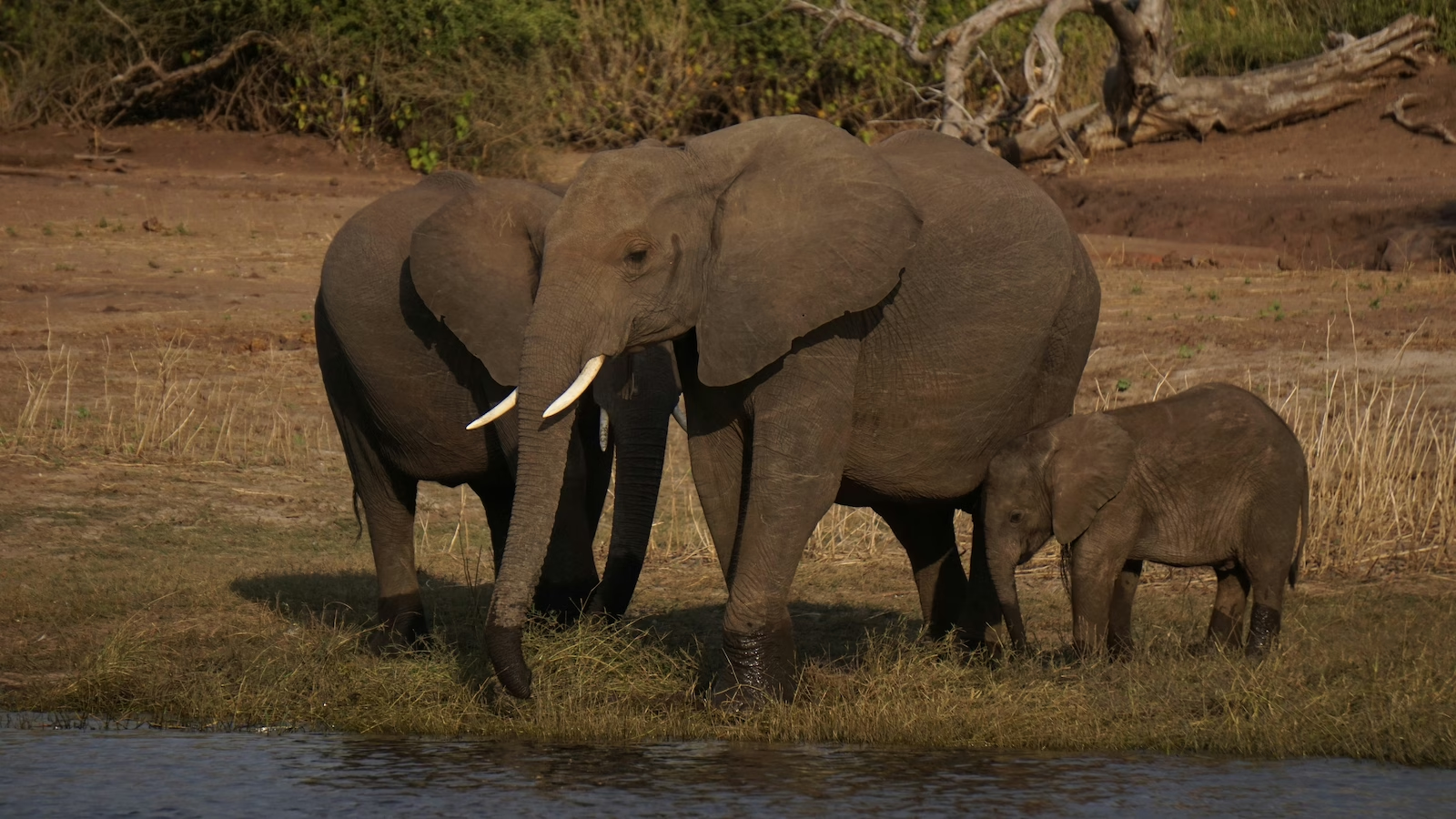
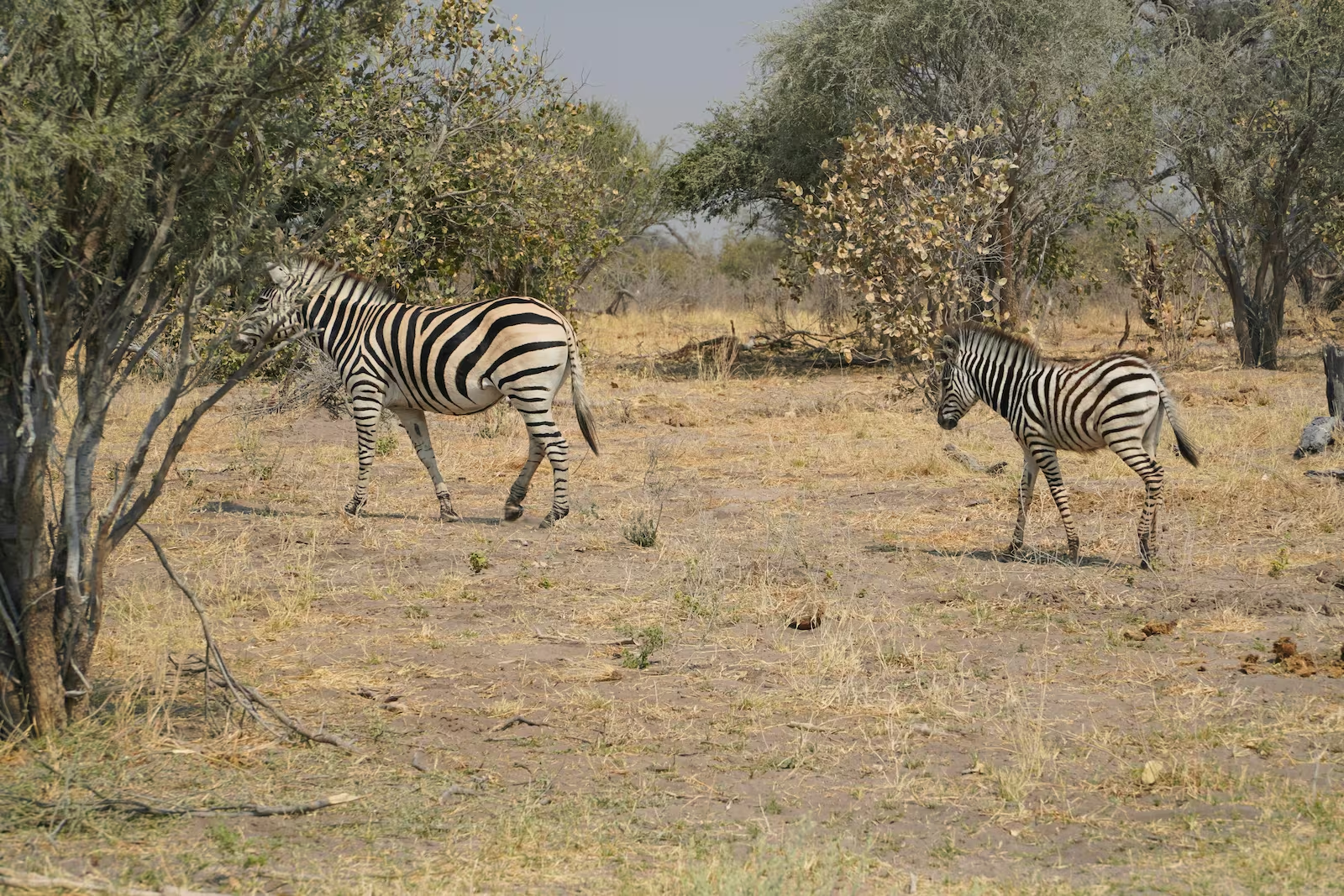
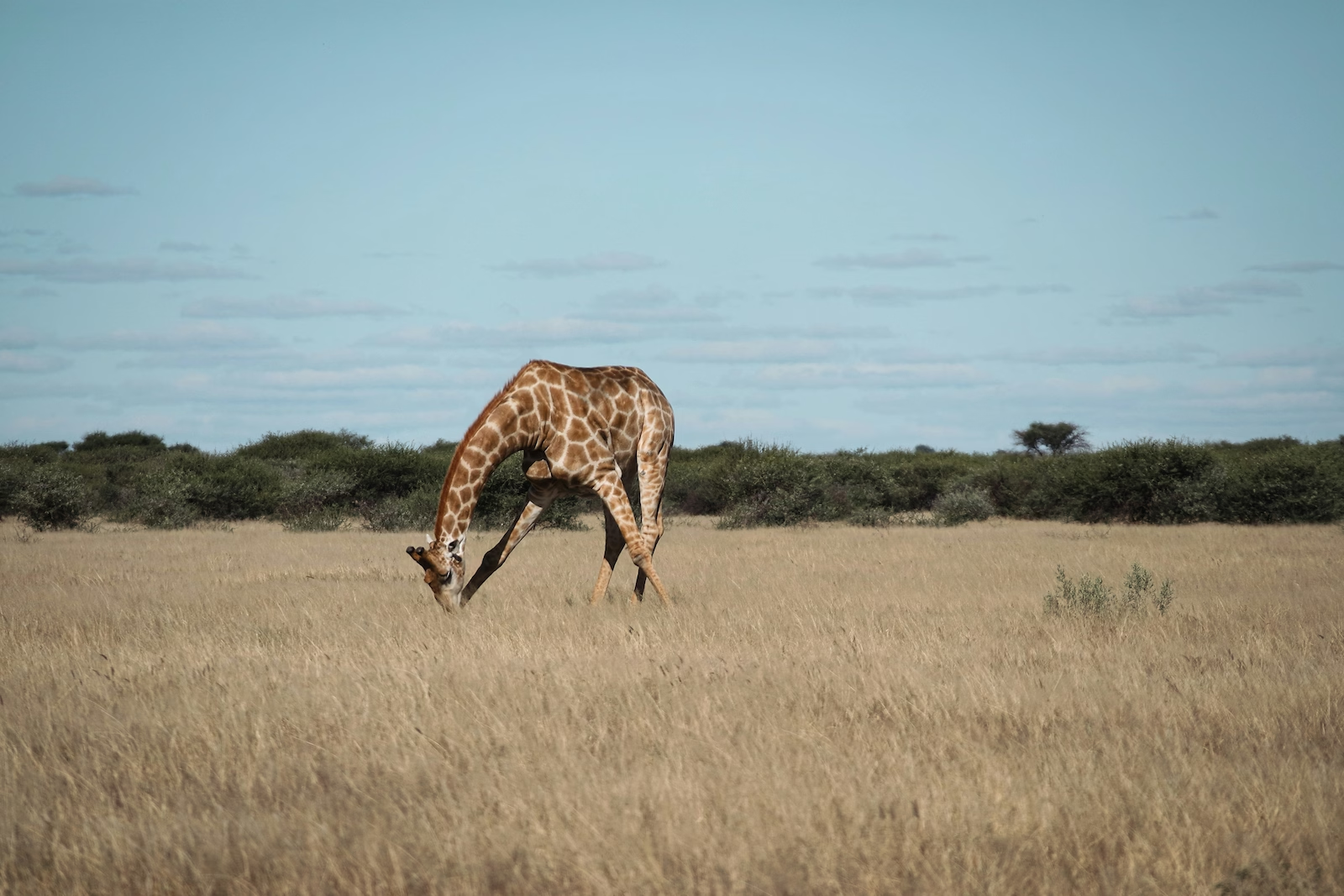
Botswana is known for high-quality wildlife viewing rather than sheer quantity of sightings. On a mobile safari, you’ll likely encounter elephants in large numbers, especially in Chobe and the Okavango. Lions, leopards, buffalo, giraffes, zebras, and various antelope species are common depending on the region and season.
Birdlife is exceptional year-round, particularly in wetland areas. Seasonal floods in the Okavango attract migrating animals and create constantly changing scenery that keeps each day feeling different from the last.
Best Time of Year for Botswana Mobile Safaris
The dry season, roughly from May to October, is considered the best time for wildlife viewing. Animals gather around water sources, vegetation thins out, and roads are easier to navigate. This period also comes with higher prices and more demand.
The green season, from November to April, offers lush landscapes, fewer travelers, and excellent birdwatching. Wildlife disperses more widely, but sightings still happen, and the scenery is dramatically different. Mobile safaris during this time feel quieter and more intimate.
How Much a Botswana Mobile Safari Costs
Botswana is not a budget safari destination, and mobile safaris reflect that. Prices vary based on comfort level, duration, and regions visited. Fully serviced mobile safaris typically sit in the mid to high price range, but they’re often better value than staying in multiple luxury lodges.
What you’re paying for isn’t just accommodation—it’s experienced guides, conservation fees, logistics, meals, transport, and access to remote areas that few travelers ever reach. Budget participation safaris exist, but they’re far less common and still require a realistic budget.
Who a Mobile Safari Is Best For
Mobile safaris suit travelers who value experience over luxury and don’t mind trading marble bathrooms for wilderness immersion. They’re ideal for photographers, wildlife enthusiasts, repeat safari-goers, and anyone who wants to feel part of the environment rather than observing it from a distance.
They’re less suitable if you need constant connectivity, struggle with early mornings, or prefer resort-style comfort. Mobile safaris ask for flexibility, but they reward it generously.
What to Pack (and What Not to Worry About)
Packing is surprisingly simple. Neutral clothing, warm layers for early mornings, good walking shoes, sun protection, and a headlamp go a long way. Most operators provide bedding, towels, and even laundry services on longer trips.
You don’t need specialist gear unless photography is a priority. The goal is comfort and practicality, not looking like you’re filming a documentary—though it might feel that way at times.


.avif)