Travel above the Arctic Circle tends to sound extreme, but it’s far more accessible than most people expect. You don’t need polar gear, survival training, or a taste for discomfort. Many destinations above the Arctic Circle are connected by regular flights, have comfortable hotels, and offer experiences that feel otherworldly without being difficult. The payoff is huge: endless daylight in summer, northern lights in winter, and landscapes that feel genuinely different from anywhere else.
This guide focuses on the coolest destinations above the Arctic Circle that you can realistically visit, enjoy, and remember long after your fingers have warmed back up.
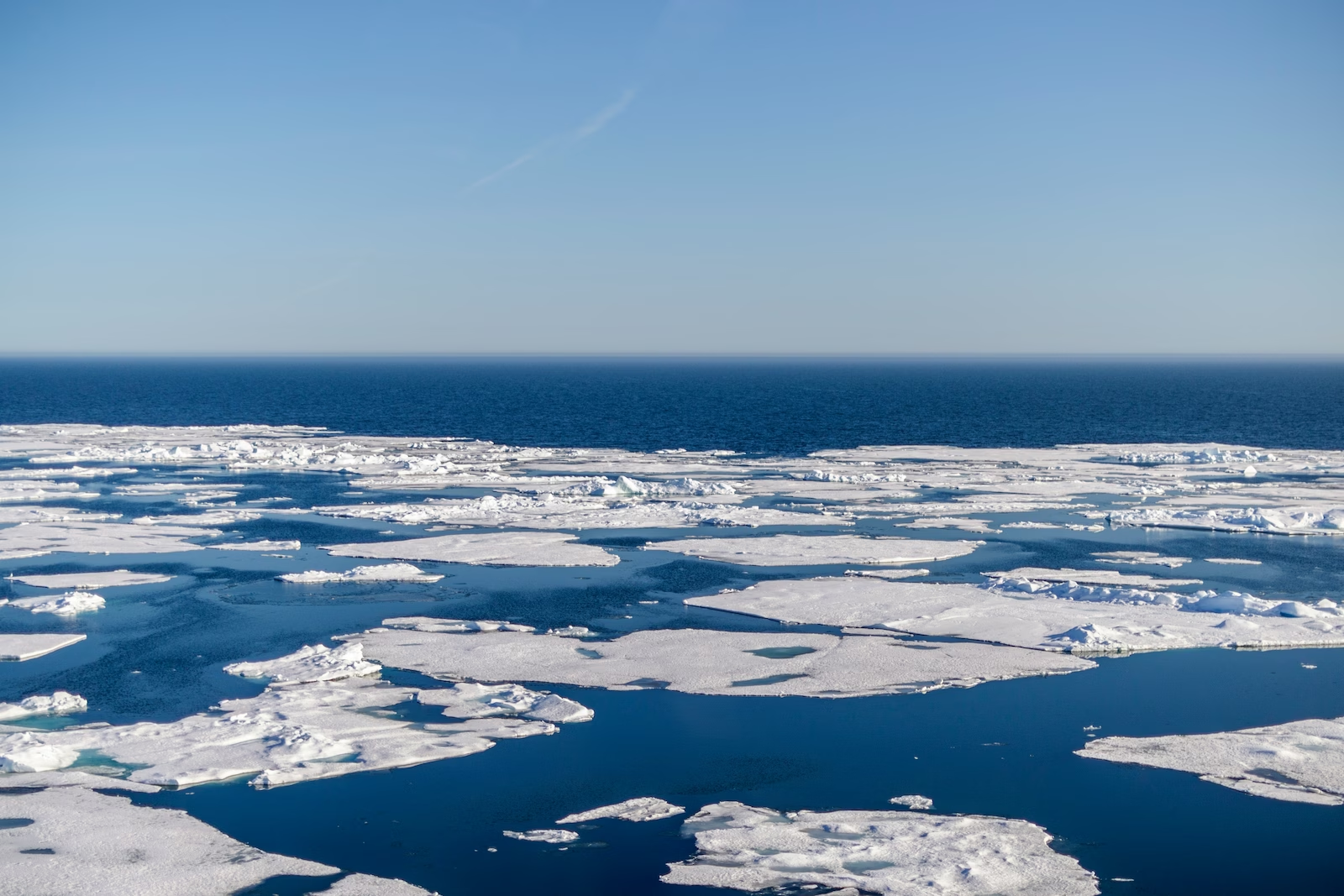
Travel above the Arctic Circle - What is it actually like?
The Arctic Circle sits at roughly 66.5 degrees north, marking the point where the sun doesn’t set for at least one day in summer and doesn’t rise for at least one day in winter. Crossing it is less about bragging rights and more about entering a region shaped by light, weather, and traditions that follow a very different rhythm.
Arctic Circle travel isn’t one single experience. Some places feel like lively northern cities, others like remote outposts surrounded by wilderness. What they all share is a sense of space, silence, and scenery that resets your idea of distance and scale.
Tromsø, Norway: Arctic Life With a City Feel
Tromsø is often the first place people think of when talking about Arctic Circle destinations, and for good reason. It’s lively, walkable, and surprisingly young, thanks to its university and strong cultural scene. You can drink good coffee, visit museums, and still be watching whales or northern lights later the same day.
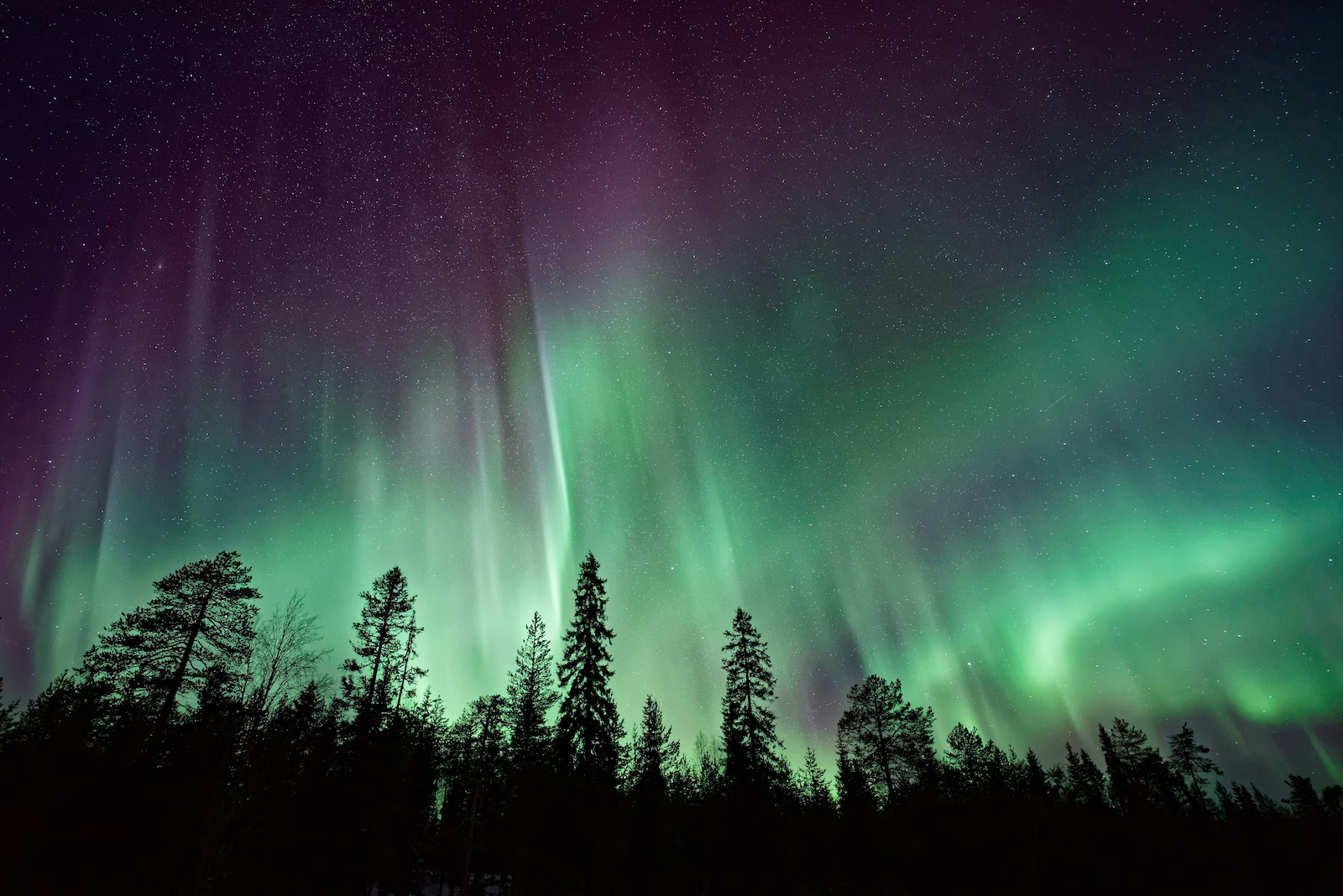
In winter, Tromsø is one of the best places above the Arctic Circle for aurora viewing without sacrificing comfort. In summer, the midnight sun turns hikes, boat trips, and casual evenings into time-blurring experiences that make sleep feel optional.
Rovaniemi, Finland: Forests, Rivers, and Northern Traditions
Rovaniemi sits right on the Arctic Circle and acts as a gateway to Finnish Lapland. While it’s famously marketed around Santa Claus, the real appeal lies outside town. Dense forests, frozen rivers, and quiet trails stretch in every direction.
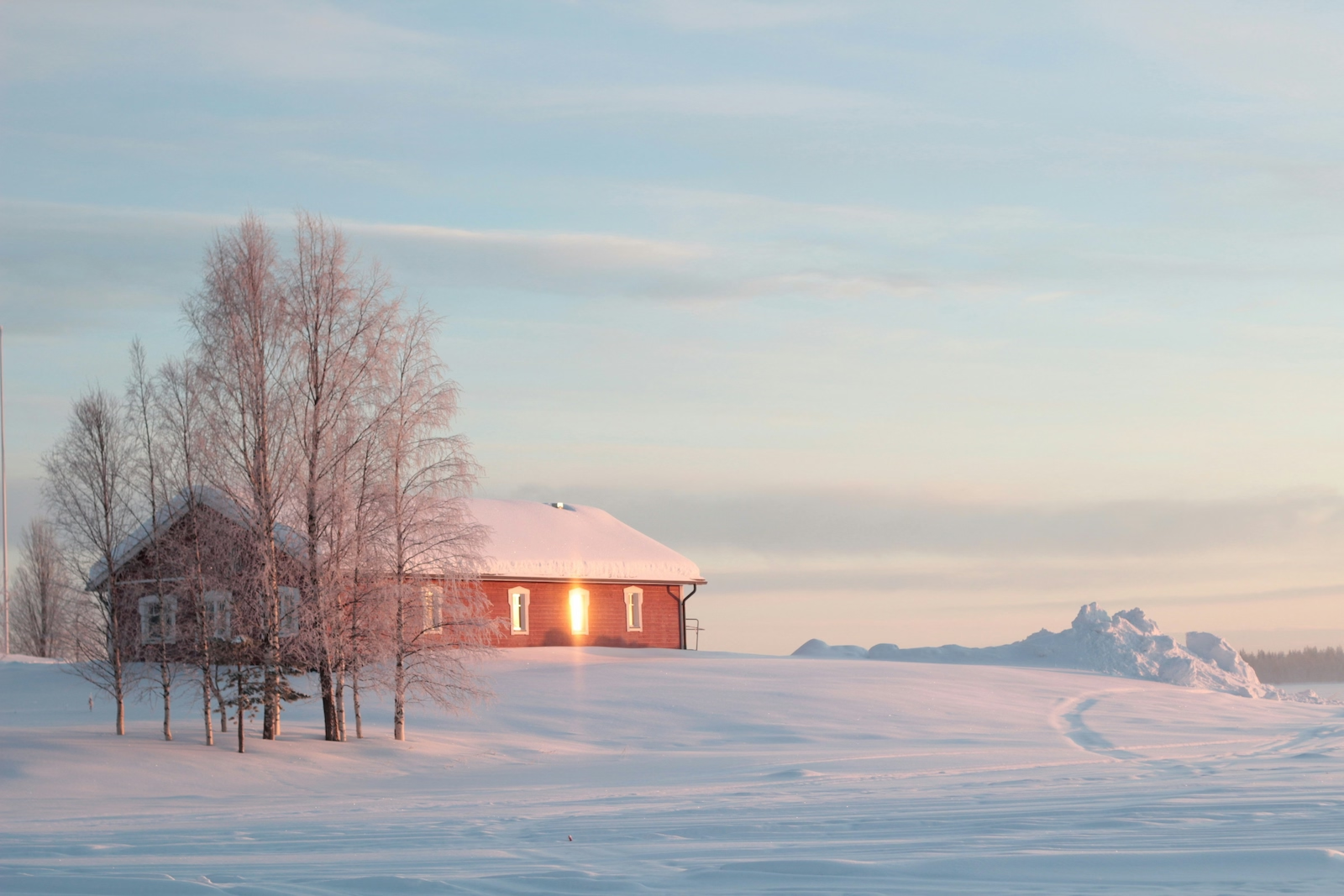
This is one of the easiest places to experience Arctic Circle tourism without feeling overwhelmed. Winter brings snowshoeing, husky sledding, and long twilight hours, while summer is all about lakes, hiking, and soft golden light that never fully fades.
Lofoten Islands, Norway: Arctic Landscapes at Sea Level
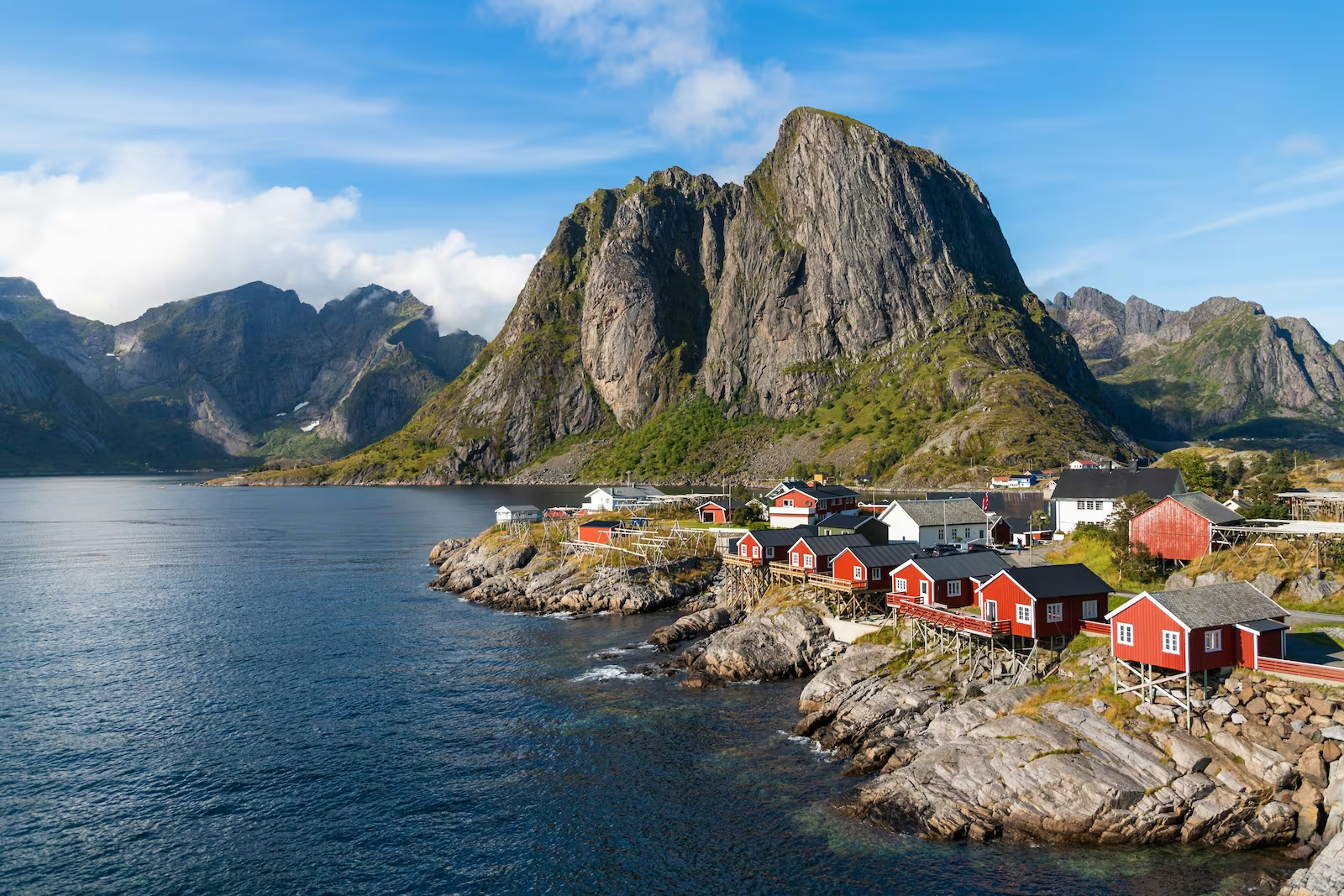
The Lofoten Islands feel dramatic even by Arctic standards. Sharp peaks rise straight from the ocean, fishing villages cling to rocky shorelines, and weather changes constantly. Despite being far north, the climate is milder than you’d expect, thanks to ocean currents.
Lofoten proves that places above the Arctic Circle don’t have to feel frozen or barren. Summer brings long hikes, kayaking, and beaches that look tropical until you touch the water. Winter adds northern lights and a quieter, moodier atmosphere that photographers love.
Abisko, Sweden: Light, Space, and Silence
Abisko is small, remote, and built almost entirely around nature. It’s known as one of the best places in the world to see the northern lights due to its dry climate and open skies, but that’s only part of the appeal.
Travel here is slow and intentional. Days revolve around hiking, cross-country skiing, or simply standing still and watching light shift across wide valleys. If your idea of Arctic Circle travel involves fewer people and more space, Abisko delivers.
Nuuk, Greenland: Arctic Culture Up Close
Nuuk feels different from anywhere else on this list. It’s not just a destination above the Arctic Circle; it’s a place where Arctic life is still deeply tied to nature, fishing, and seasonal rhythms. Colorful houses sit against stark landscapes, and icebergs drift past the city’s edge.
Visiting Nuuk isn’t about ticking off attractions. It’s about understanding how people live in one of the world’s harshest environments while still creating art, music, and strong community life. It’s challenging, fascinating, and deeply memorable.
When to Visit the Arctic Circle
Timing shapes everything. Summer offers mild temperatures, endless daylight, and easier travel. It’s ideal for hiking, road trips, and seeing landscapes in full color. Winter is colder and darker but brings northern lights, snow-covered scenery, and a quieter atmosphere that feels almost surreal.
Shoulder seasons can be unpredictable, with mixed weather and fewer services, but they often come with fewer crowds and dramatic skies.
Is Arctic Circle Travel Difficult?
It’s less difficult than it sounds. Infrastructure in many Arctic Circle destinations is excellent, especially in Nordic countries. Flights are regular, public transport exists, and accommodation ranges from hostels to high-end lodges.
The main adjustment is mental. Days can feel very long or very short depending on the season, and weather always has the final say. Flexibility matters more than planning every hour.