Walking the Inca Trail is one of those travel experiences that comes with a lot of expectation. The four-day route to Machu Picchu is famous for its mountain scenery, Inca ruins and final approach through the Sun Gate, but it also involves steep climbs, basic camping, altitude and a permit system that requires forward planning. So, is it genuinely worth doing, or has the reputation become bigger than the walk itself?
What Walking the Inca Trail Is Actually Like
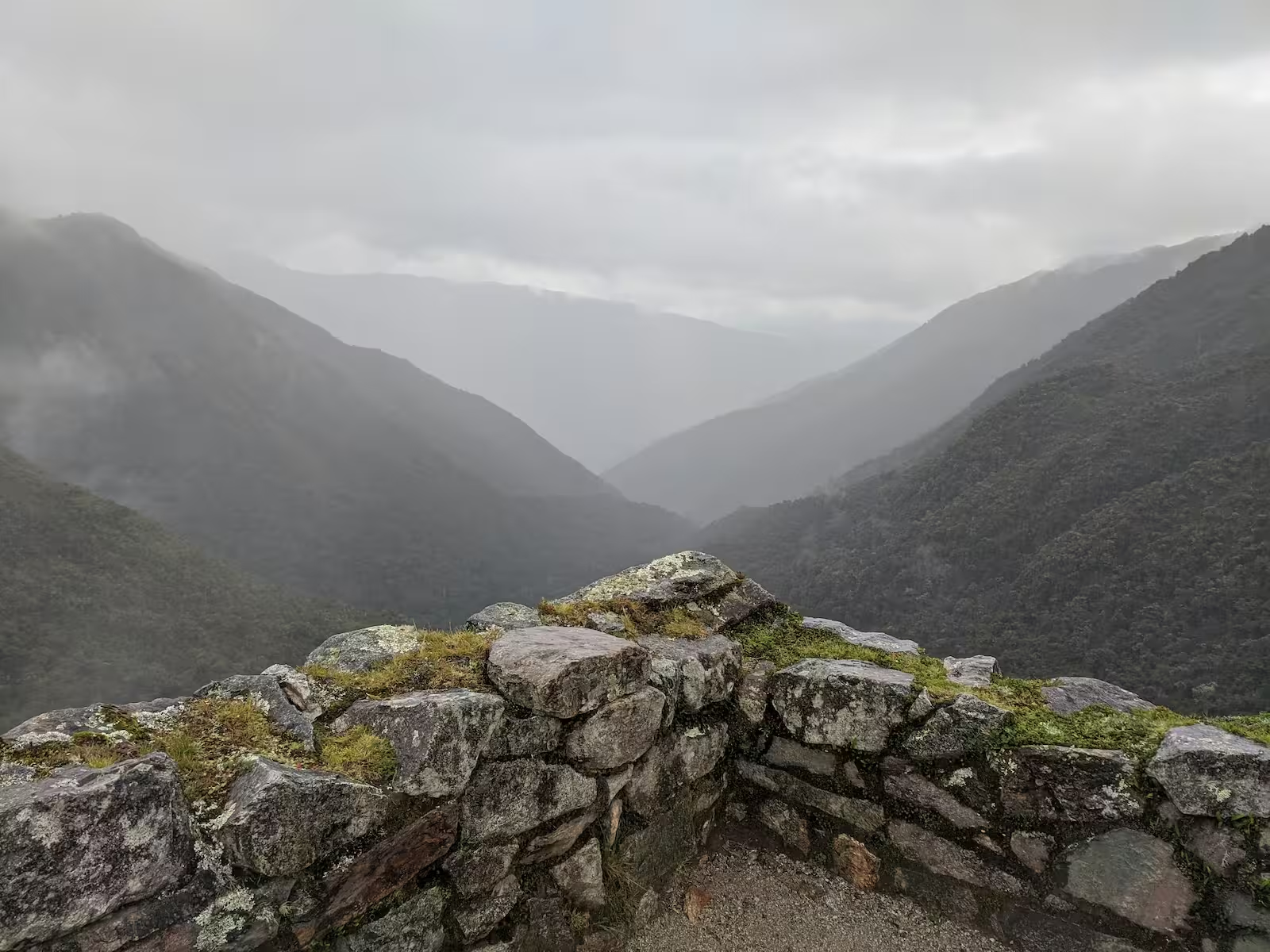
The classic Inca Trail starts near kilometre 82 of the railway between Cusco and Machu Picchu and covers roughly 43 kilometres over four days and three nights. Rather than simply being a hiking route through the Andes, it follows part of the wider Qhapaq Ñan, the extensive road network developed by the Incas across their empire.
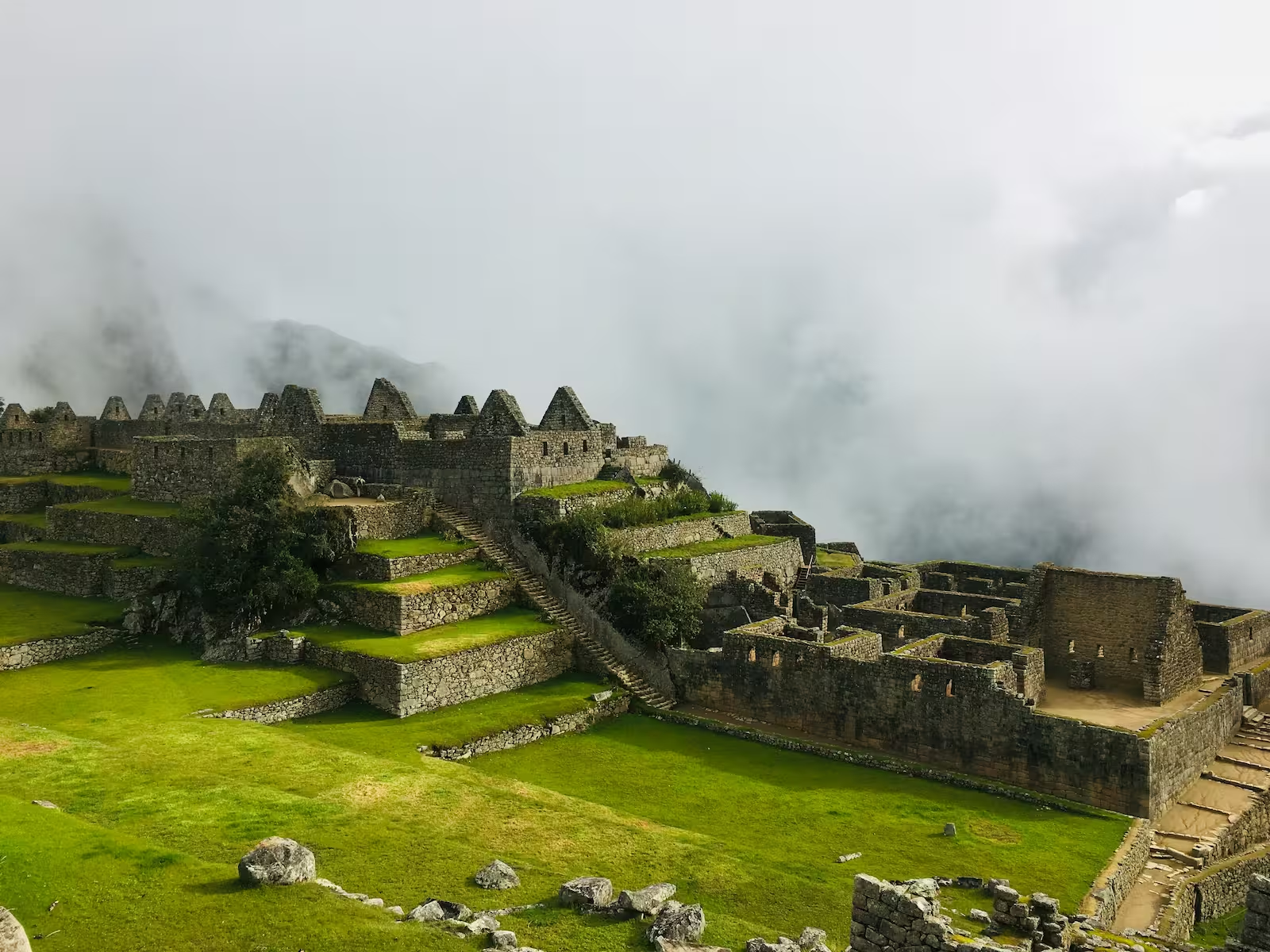
That historical setting is a big part of the appeal. You are not spending four days walking through empty mountains just to reach Machu Picchu at the end. The trail itself contains archaeological sites including Llactapata, Runkurakay, Sayacmarca, Phuyupatamarca and Wiñay Wayna. The landscape changes noticeably too, moving between drier Andean valleys, high mountain terrain and increasingly green cloud forest as the route approaches Machu Picchu.
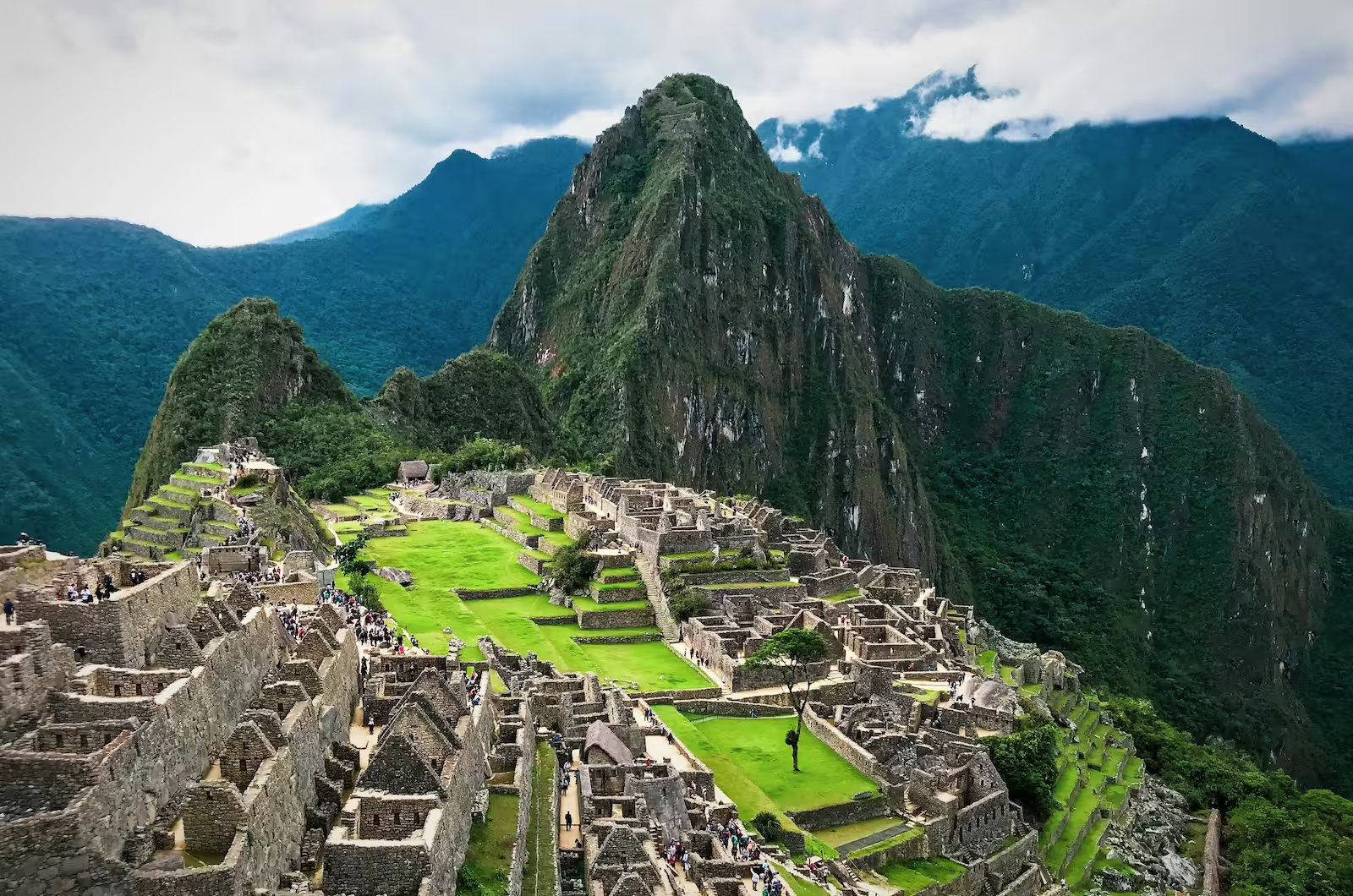
UNESCO describes the Historic Sanctuary of Machu Picchu as a place where an extensive network of roads, settlements, agricultural terraces and other structures exists alongside varied natural habitats.
The arrival to Machu Picchu
One of the strongest arguments for walking the Inca Trail is the way you reach Machu Picchu.
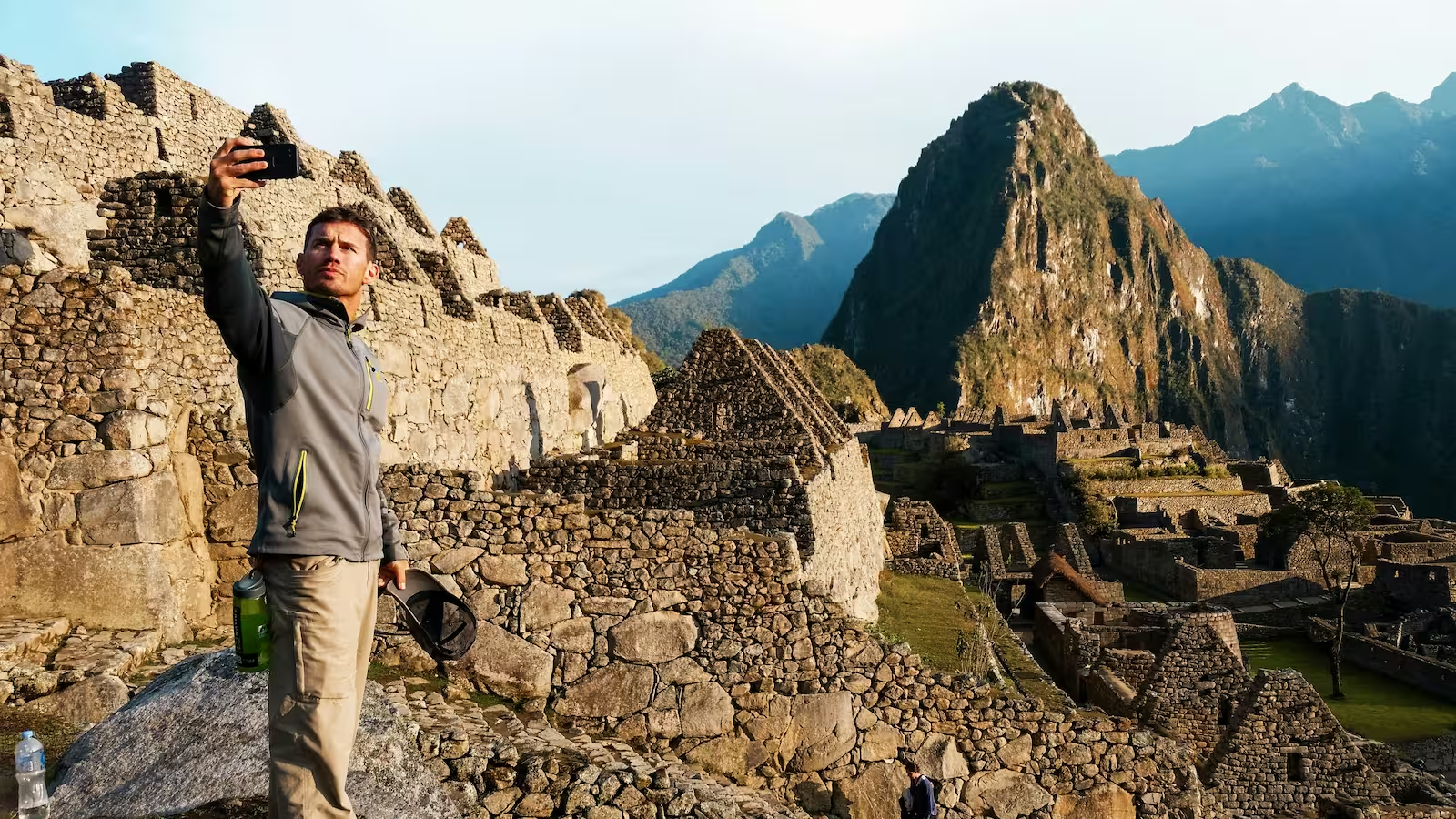
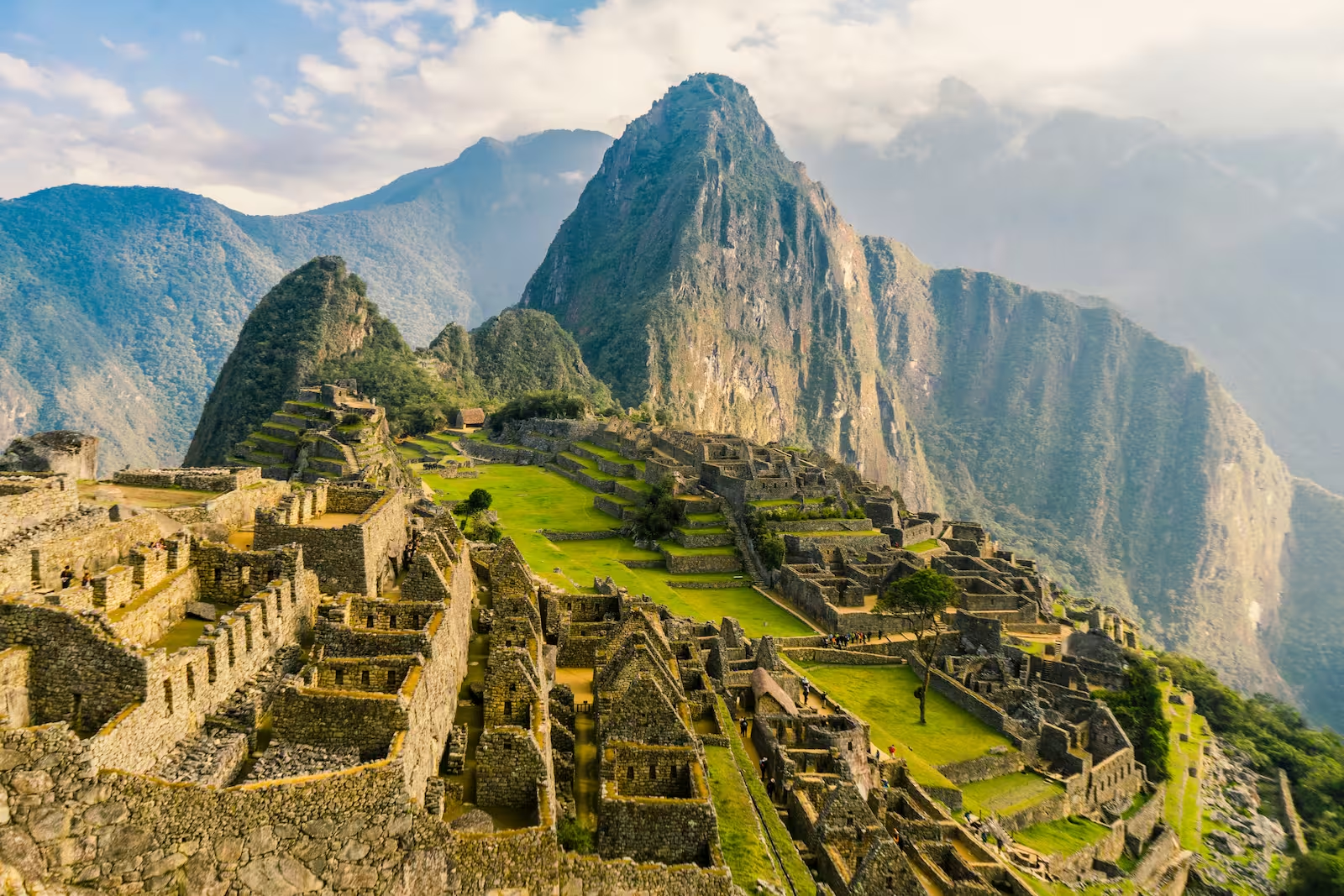
Instead of arriving by train and bus, the route approaches the site on foot through Intipunku, the Sun Gate. From there, walkers get their first elevated view towards Machu Picchu before descending towards the archaeological complex.
Weather can have other ideas, of course. Mist and cloud are part of travelling in these mountains, so nobody should book the trek expecting a guaranteed postcard-perfect reveal. Even so, reaching Machu Picchu after several days on foot gives the visit a sense of progression that simply cannot be replicated by stepping off a bus.
How Hard Is the Inca Trail?
So, how hard is the Inca Trail? For most reasonably active people, the distance is manageable. The altitude and repeated climbing are what make it challenging.
The classic route reaches roughly 4,200 metres at Warmiwañusqa, commonly called Dead Woman's Pass. It is the highest point of the trek and comes during the toughest section of the route. From the pass, hikers still have a substantial descent, with plenty of stone steps along the way.
This means fitness helps, but being able to walk 10 kilometres comfortably at home does not tell you exactly how the trail will feel at altitude. Unacclimatised travellers sleeping above around 2,450 metres can be at risk, and gradual acclimatisation is one of the most effective ways to reduce that risk.
Altitude
Arriving in Cusco and beginning the trek almost immediately is not an ideal plan. The CDC recommends spending several nights at moderate altitude before ascending higher where possible, while the NHS lists headache, nausea, dizziness, tiredness and difficulty sleeping among the common symptoms of altitude sickness.
Practically, giving yourself time in Cusco or the Sacred Valley before the trek makes sense. It also gives you a chance to discover how your body responds before you are halfway up a mountain staircase.
Training beforehand should focus less on chasing impressive gym numbers and more on being comfortable walking for several hours on consecutive days.
The Best Parts and the Bits People Gloss Over
The Inca Trail's reputation is not based solely on Machu Picchu. In some ways, its greatest strength is everything before it.
Wiñay Wayna is a good example. The site consists of agricultural terraces, structures and ceremonial features surrounded by cloud-forest vegetation. Other sites such as the circular Runkurakay and steeply positioned Sayacmarca appear directly beside the walking route.
There is also an unusual amount of variety for a relatively short trek. In around 43 kilometres, the environment shifts considerably as the path climbs above 4,000 metres and later drops towards the warmer, wetter forest surrounding Machu Picchu.
That does not mean every hour is magical. You will be camping for three nights on the classic itinerary. There are early starts, long staircases and limited facilities compared with an ordinary hotel-based trip. Rain can make stone sections slippery, while strong sunshine and cold conditions can occur at altitude.
The Cusco region generally experiences its drier period between roughly April or May and October, although conditions vary with elevation and weather can still change quickly. Peru's official tourism information recommends the drier months for hiking because trails tend to be less slippery and skies clearer.
What You Need to Know Before Booking
The Inca Trail is not a trek where you can simply arrive with a backpack and start walking.
Access to the classic route is regulated. Peru's Ministry of Foreign Trade and Tourism states that entry is limited to 500 people per day, including guides and other support staff, not 500 tourists. Visitors must book in advance and enter through an authorised agency with an official guide.
That distinction matters because the number of actual trekking places is considerably lower once guides, porters and other workers are included in the daily capacity. Popular dates can therefore be unavailable well ahead of departure, particularly during the drier part of the year.
The network also closes during February for annual conservation and maintenance work. It is therefore important to check official information and availability before building flights and hotels around a particular trekking date.
Is Hiking Inca Trail to Machu Picchu the Best Option?
Not necessarily, and that is probably the most important point when deciding whether the trek is worth the hype.
For travellers researching hiking Inca Trail to Machu Picchu options but unsure about four days of camping, there is a shorter alternatives.
Peru's tourism authorities describe this route as approximately 12 to 13 kilometres, normally requiring around five to six hours of walking before reaching Wiñay Wayna and continuing through Intipunku towards Machu Picchu. Access is also regulated and requires an authorised guide and permit.
The shorter trail misses the high passes, several archaeological sites and the feeling of travelling through the landscape for several days, but it preserves two major attractions: walking on an original section of Inca road and approaching Machu Picchu via the Sun Gate.
So, Is the Inca Trail Worth the Hype?
For the right traveller, yes.
What makes walking the Inca Trail worthwhile is not that it is the longest, wildest or hardest trek in Peru. It is the combination of things packed into four days: preserved Inca pathways, archaeological sites that can only be reached on foot, changing Andean landscapes and an arrival at Machu Picchu that forms part of the journey rather than feeling separate from it. The wider sanctuary's combination of cultural remains and natural landscape is precisely what underpins its UNESCO World Heritage status.
It does require effort. The climb to around 4,200 metres is serious enough to make acclimatisation important, permits restrict spontaneity and several nights in a tent will not appeal to everyone.
The hype makes more sense once you realise the Inca Trail is not simply a difficult way of getting to Machu Picchu. The trail is the experience, and Machu Picchu is its final chapter.
Starting from Skratch? Here's some links to help you get started: