Guadeloupe and Martinique both offer beaches, rainforest, volcanic landscapes and a strong mix of French and Creole culture, but they make for quite different Caribbean trips. If you are deciding between Guadeloupe or Martinique, this guide compares the beaches, nature, food, culture and practicalities to help you work out which island suits you best.
Guadeloupe or Martinique: What Is the Main Difference?
Although the two destinations share plenty of similarities, their geography has a big impact on how you experience them.
Guadeloupe Is an Archipelago
Guadeloupe is made up of several islands. The two largest, Basse-Terre and Grande-Terre, sit beside each other and are connected by bridges, but have noticeably different landscapes.
Basse-Terre is mountainous, volcanic and covered in rainforest, while Grande-Terre is flatter and home to many of Guadeloupe’s best-known white-sand beaches.
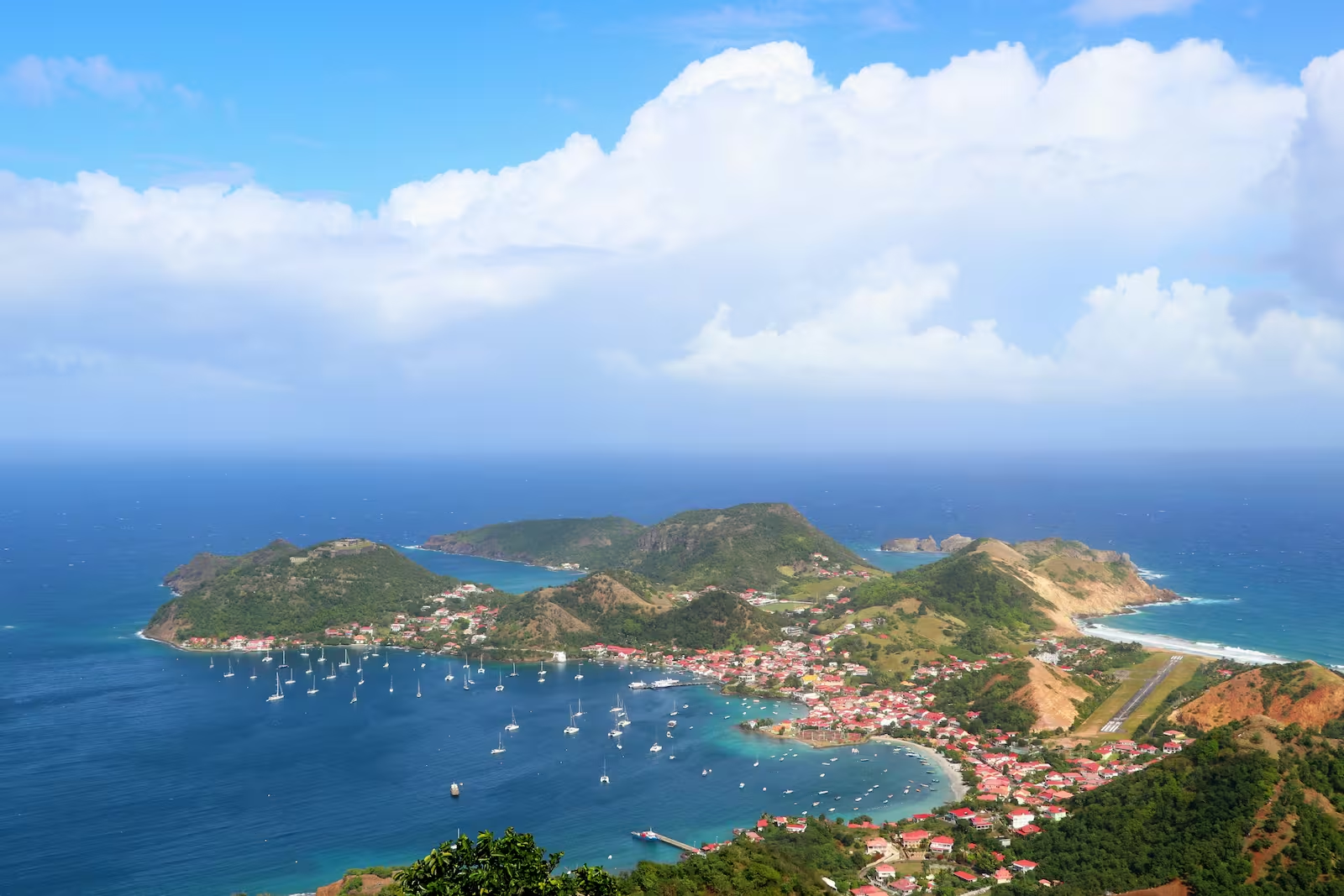
You can also travel to smaller islands including Les Saintes, Marie-Galante and La Désirade, making Guadeloupe a good option if you enjoy island hopping.
Martinique Is Easier to Explore as One Island
Martinique offers many of the same contrasts without needing to travel between separate islands.
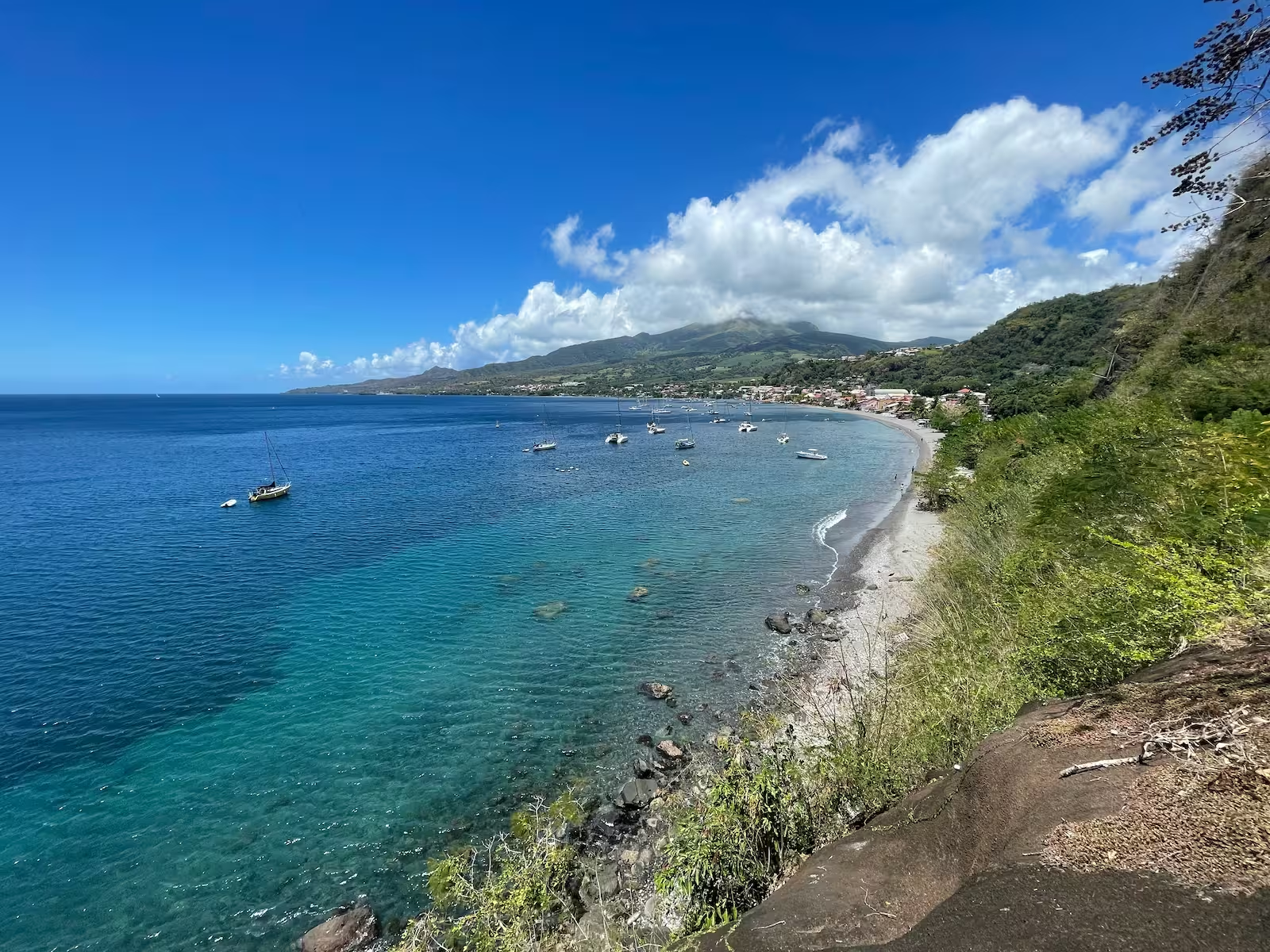
The greener and more mountainous north is dominated by rainforest and Mount Pelée, while the south has many of the island’s beaches, resorts and popular coastal towns.
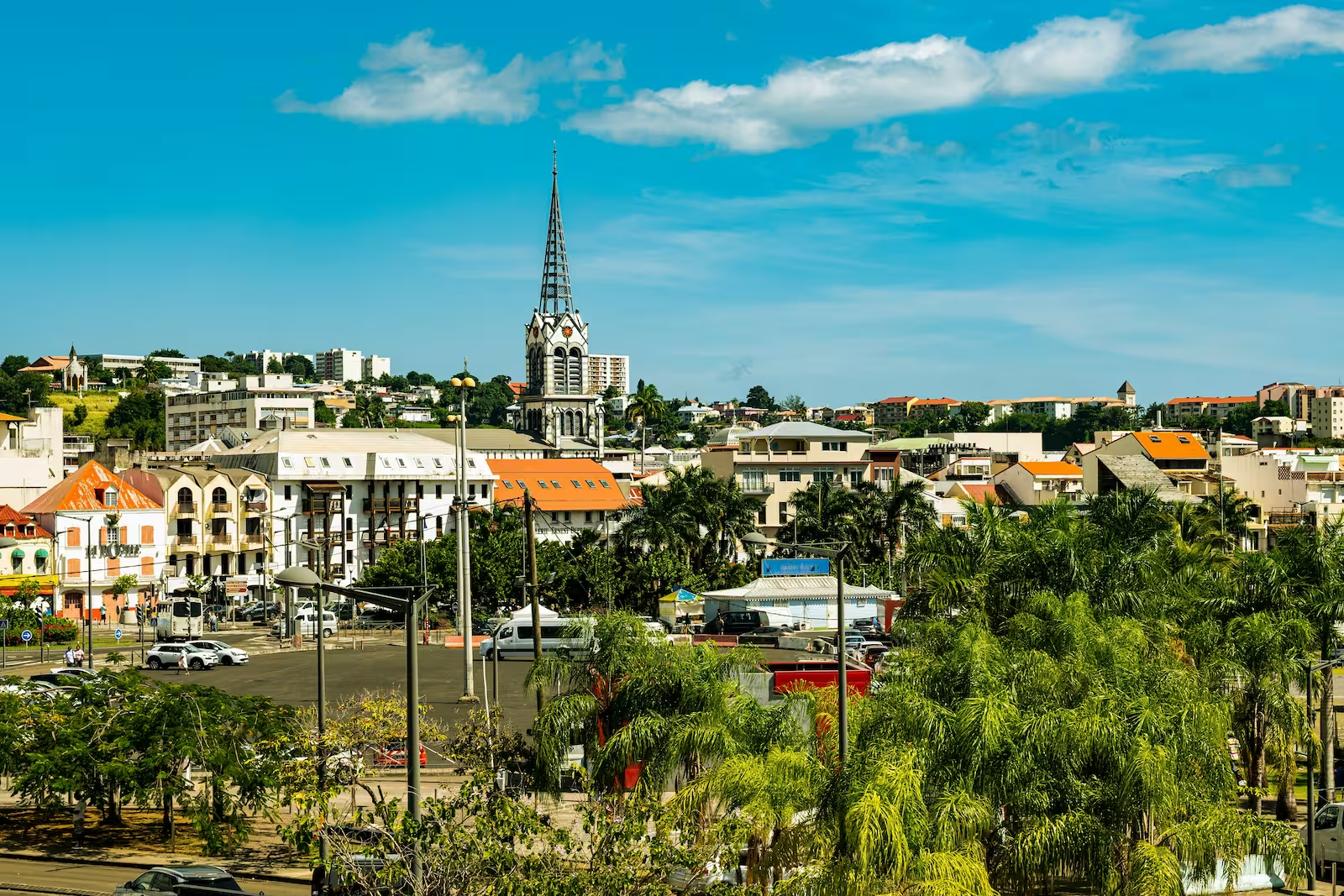
Fort-de-France, the capital, also gives Martinique more of an urban centre than Guadeloupe.
Which Has the Better Beaches?
You will find good beaches on both, but the experience is slightly different depending on where you stay.
Beaches in Guadeloupe
Anyone traveling to Guadeloupe should expect plenty of variety.
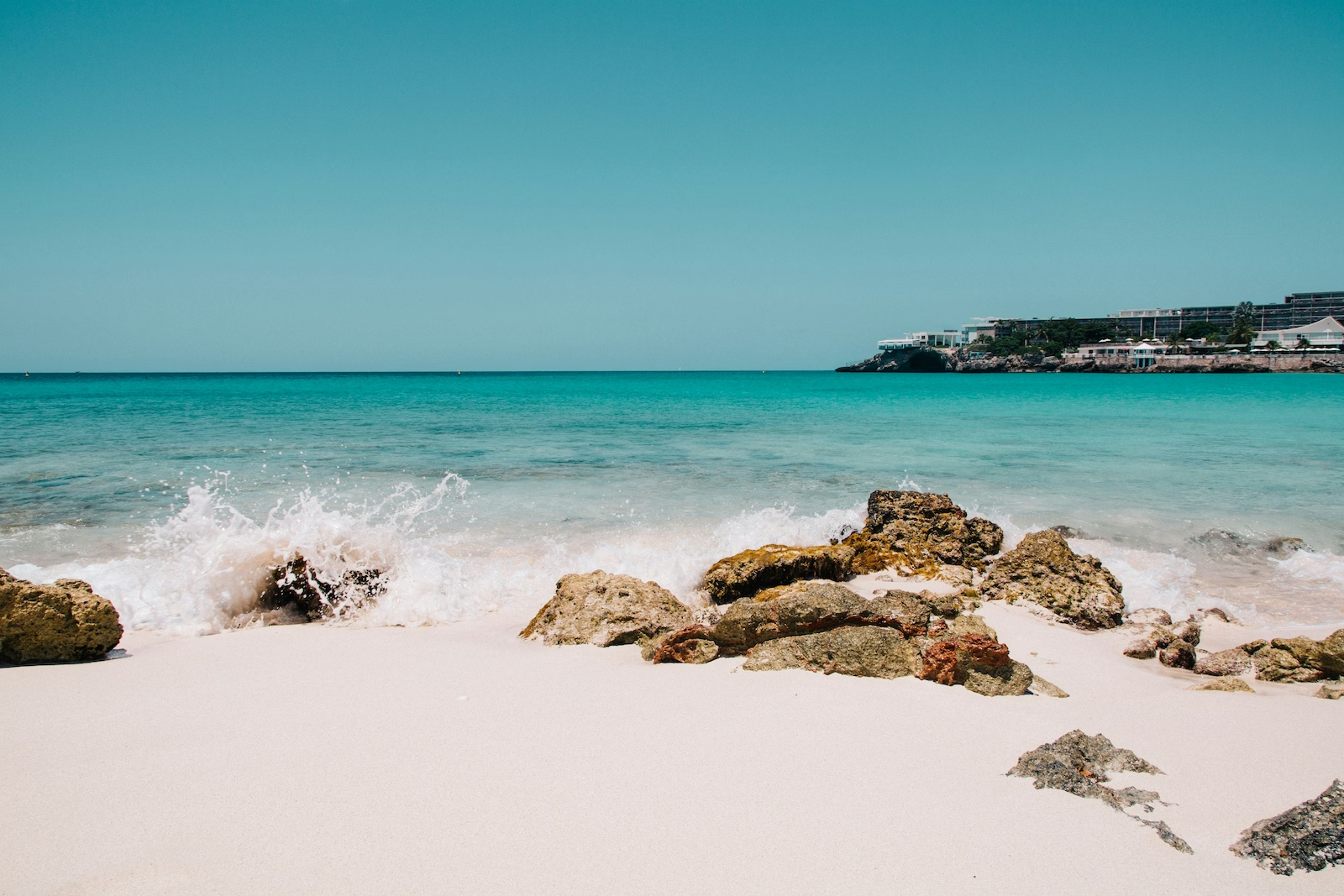
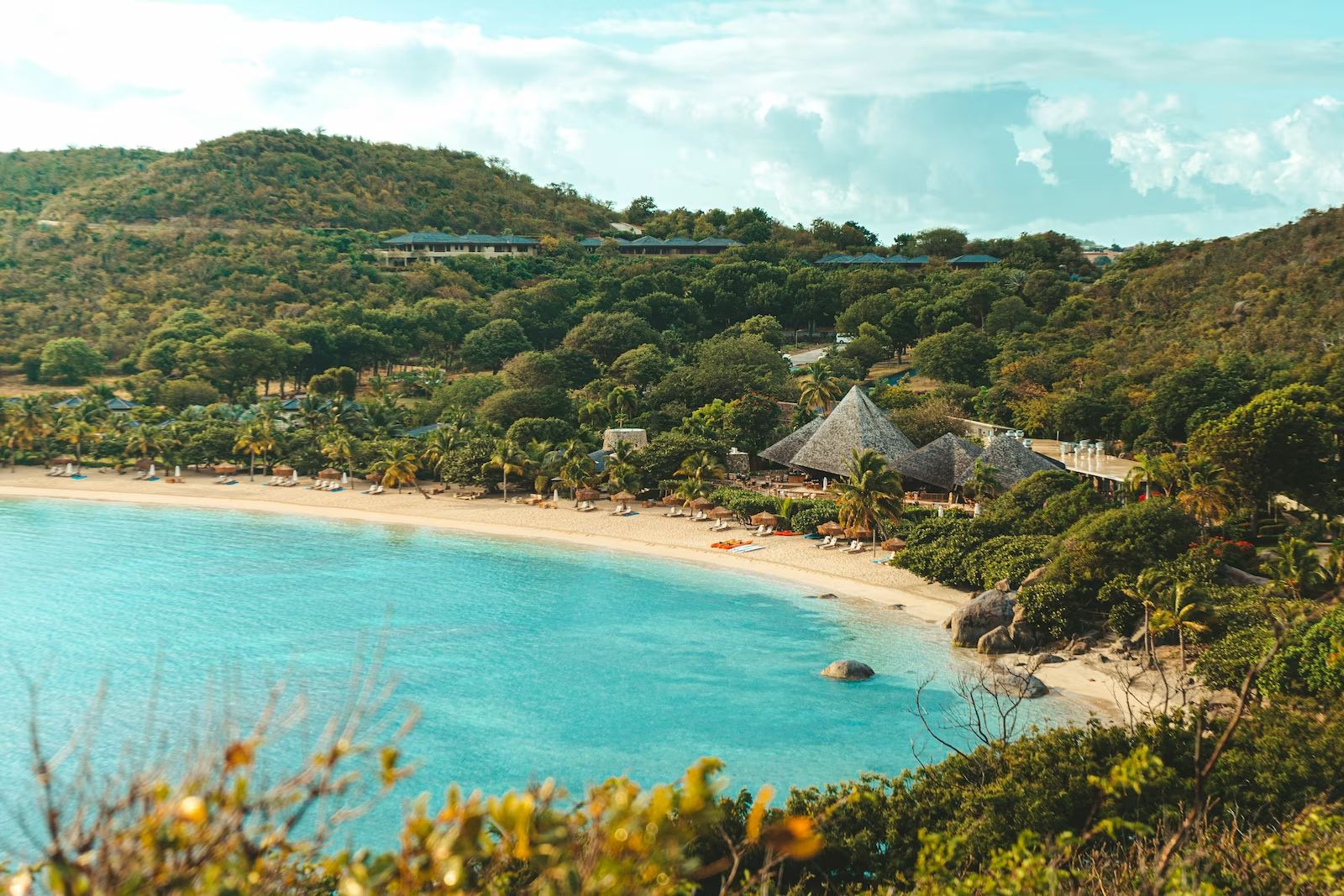
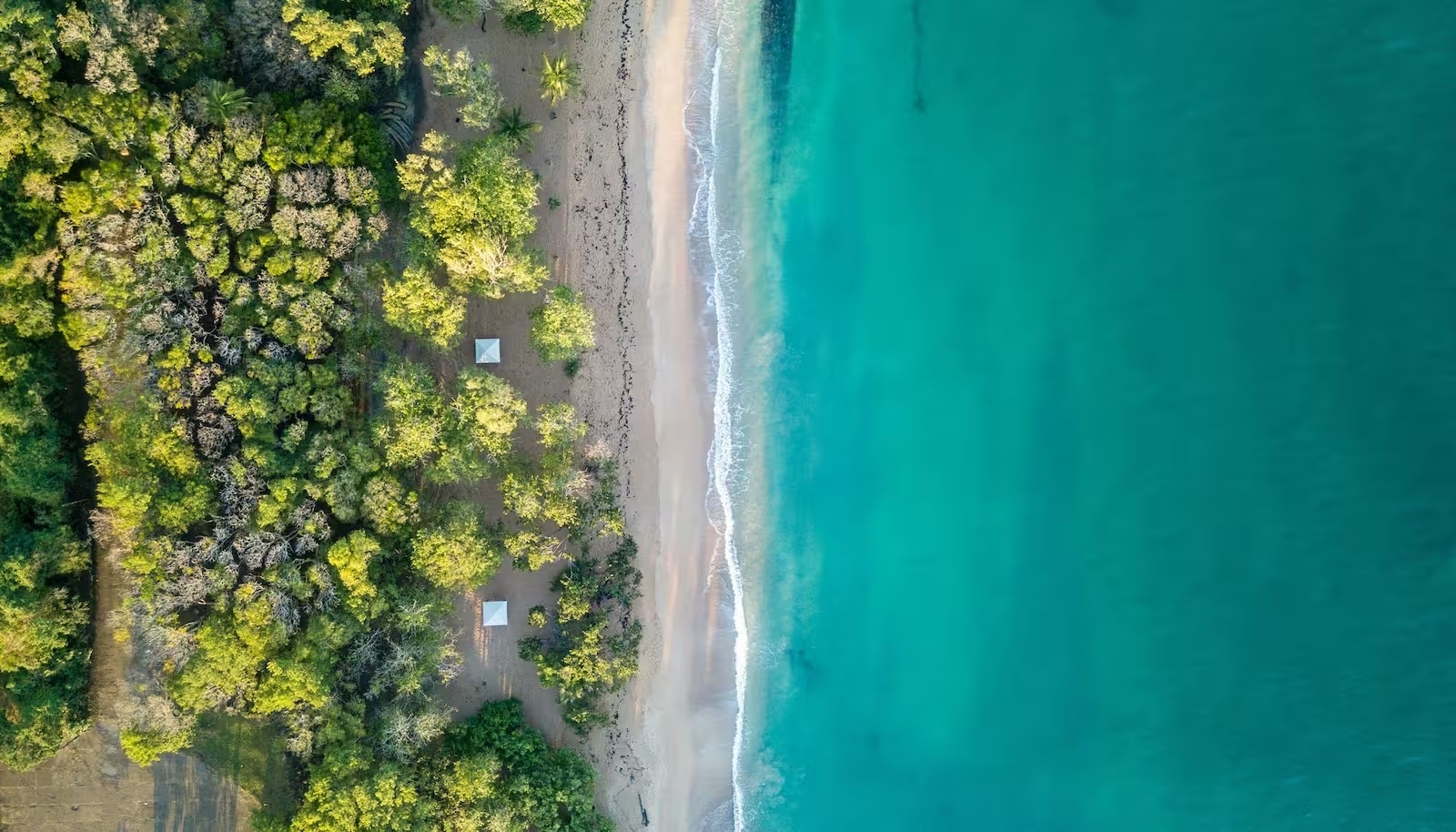
Grande-Terre has classic Caribbean beaches with pale sand and clear water, particularly around Sainte-Anne and Saint-François. Head across to Basse-Terre and the coastline becomes more volcanic, with darker sand and greener surroundings.
Adding Les Saintes or Marie-Galante gives you even more options, including smaller bays and quieter stretches of coastline.
The Atlantic hurricane season officially runs from June to November, the weather tends to be wetter and there is a greater risk of tropical storms disrupting travel plans.
Beaches in Martinique
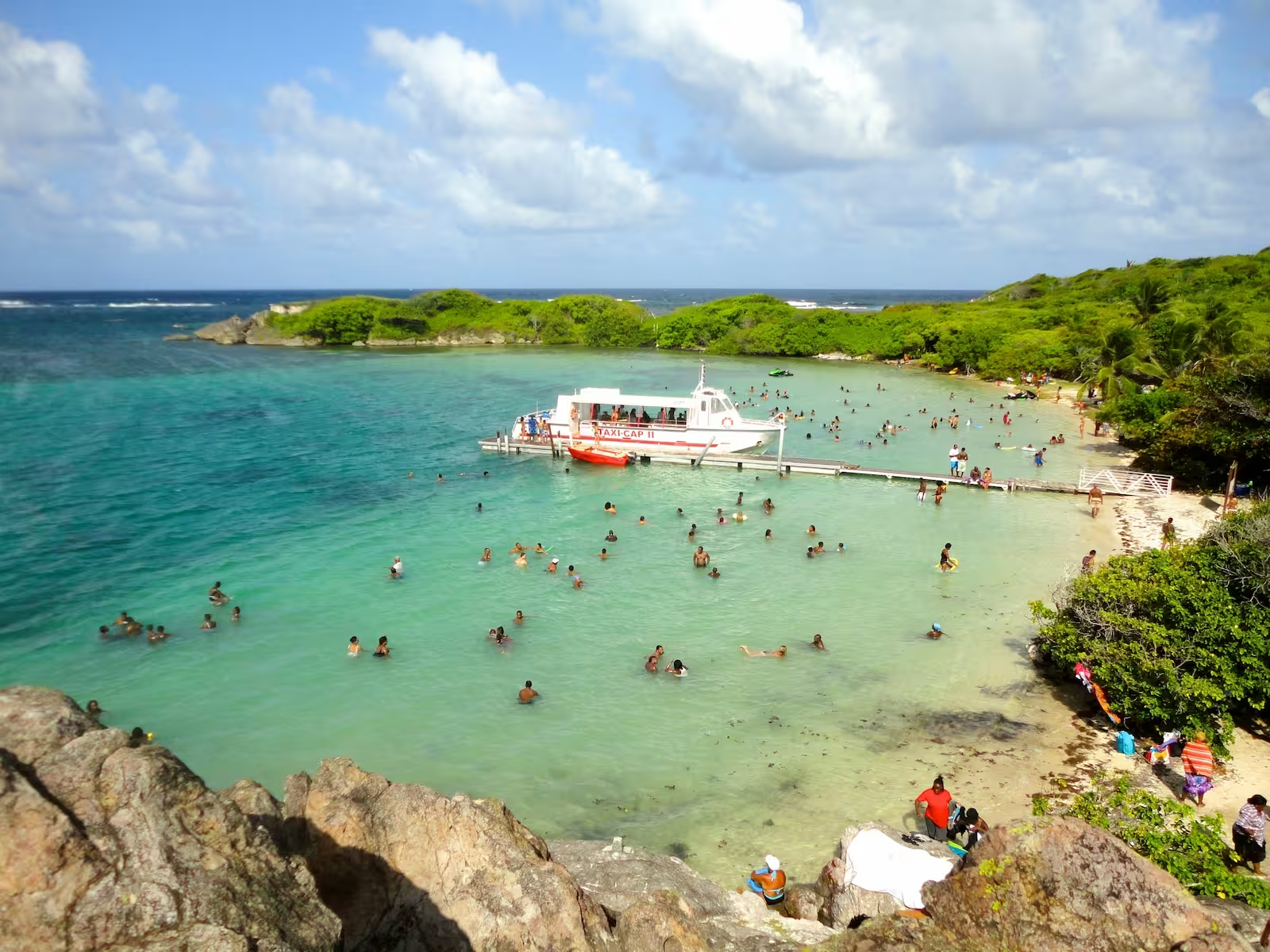
Martinique’s beach scene is concentrated mainly in the south.
Les Salines, near Sainte-Anne, is one of the best-known beaches, while Les Anses-d’Arlet combines swimming and snorkelling with a colourful waterfront village.
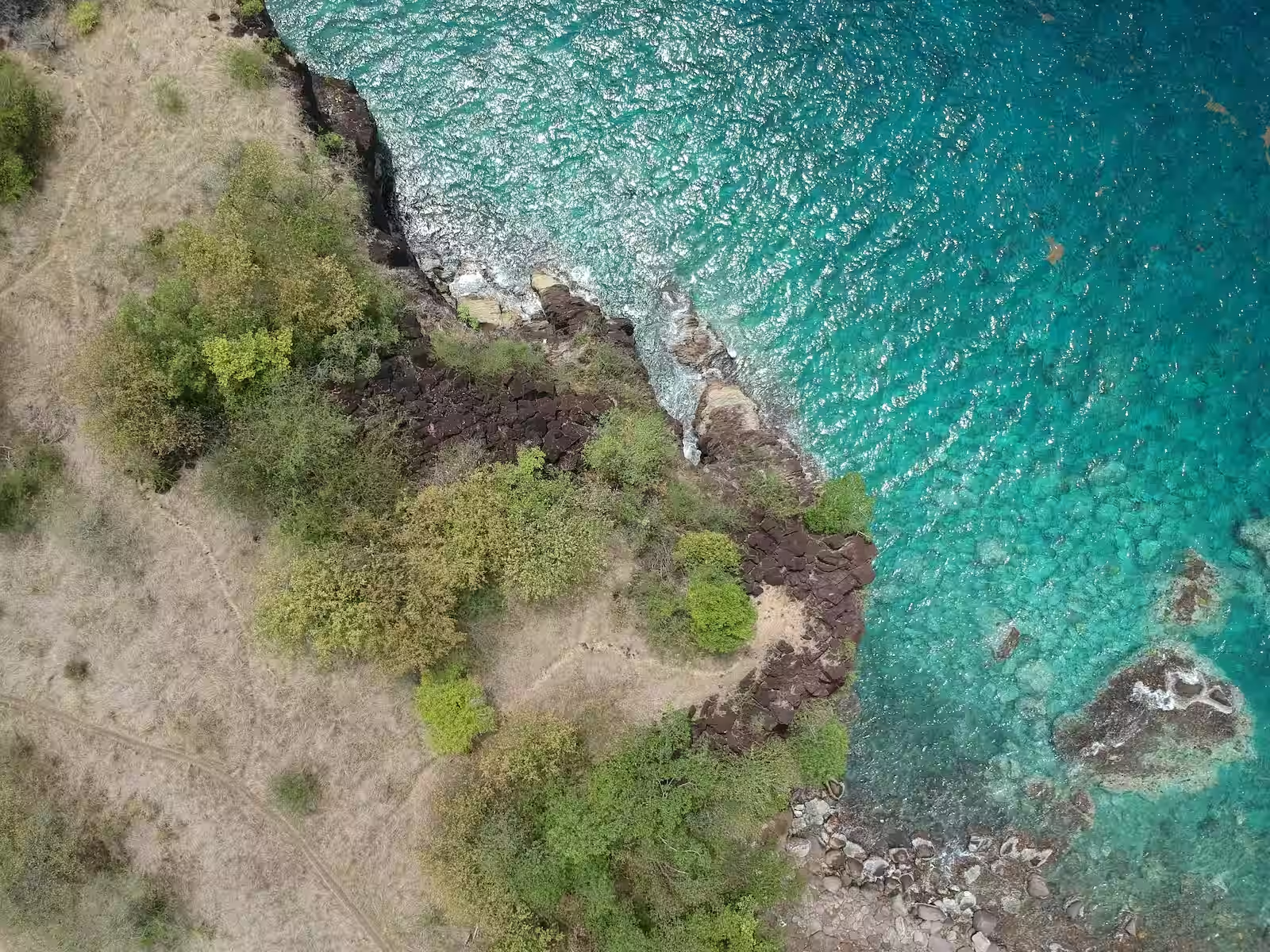
Northern Martinique feels noticeably different, with darker volcanic beaches and a more rugged coastline.
If your priority is simply finding a beach and staying close to it, Martinique can be easier. If you enjoy exploring different coastlines, Guadeloupe offers more variety.
Which Is Better for Nature and Hiking?
You do not have to travel far inland on either island before the Caribbean beach scenery gives way to forest and mountains.
La Soufrière in Guadeloupe
Basse-Terre is home to Guadeloupe National Park and La Soufrière, an active volcano rising 1,467 metres above sea level. It is the highest point in the Lesser Antilles.
The main summit hike usually takes around three to four hours return, although wet and cloudy conditions can make the route more difficult.
Elsewhere in the national park you can visit waterfalls, rivers and rainforest trails, including the popular Carbet Falls.
The drier period generally runs from around December to May and is popular for beach holidays, hiking and outdoor sightseeing.
Mount Pelée in Martinique
Martinique has its own impressive volcano, Mount Pelée, which reaches 1,397 metres.
The volcano and surrounding forests of northern Martinique have been part of a UNESCO World Heritage Site since 2023. Several hiking routes explore the area, ranging from shorter walks to more challenging climbs.
Martinique is particularly convenient if you want to combine serious hiking with a beach holiday without moving accommodation too often.
Culture, History and Sightseeing
Both destinations are French overseas regions, but their local Creole identities play an equally important role.
Exploring Guadeloupe
Guadeloupe feels more spread out, which makes exploring part of the experience.
You could spend one day visiting markets and beaches on Grande-Terre, another hiking through rainforest on Basse-Terre, then catch a ferry to Terre-de-Haut in Les Saintes.
Pointe-à-Pitre is one of the main commercial centres, while towns such as Deshaies offer a much slower coastal atmosphere.
Exploring Martinique
Martinique has a more obvious concentration of historic and cultural attractions.
Fort-de-France has markets, shops, restaurants and historic buildings, while Saint-Pierre offers a very different experience.
The former town was devastated by the 1902 eruption of Mount Pelée, and its ruins remain an important part of Martinique’s history.
A typical Martinique travel guide will also include plantation estates, gardens, museums and rum distilleries alongside the island’s beaches.
Food and Rum
Food is an important part of travelling around either destination, with French and Caribbean influences appearing side by side.
What to Eat in Guadeloupe
Guadeloupean cuisine includes plenty of seafood, grilled fish, accras, Creole sauces and dishes influenced by African, Indian and European traditions.
The smaller islands also have their own specialities. Les Saintes, for example, is known for the tourment d’amour, a small traditional tart often filled with coconut.
Martinique’s Rum Culture
Both Guadeloupe and Martinique produce rhum agricole, made from fresh sugarcane juice rather than molasses.
Martinique, however, has a particular claim to fame. Rhum de la Martinique has Appellation d’Origine Contrôlée, or AOC, status, with rules covering where and how it is produced.
Several distilleries can be visited around the island, making Martinique especially interesting for travellers who want to learn more about Caribbean rum production.
Getting Around Guadeloupe and Martinique
Transport is worth thinking about before choosing between the two.
Driving in Guadeloupe
Hiring a car is one of the easiest ways to explore Guadeloupe, particularly if you want to divide your time between Grande-Terre and Basse-Terre.
Public transport exists, but services can be limited outside larger towns.
Ferries connect the main islands with places such as Les Saintes, Marie-Galante and La Désirade, so your itinerary may involve a mixture of driving and boat travel.
Driving in Martinique
A hire car is also useful in Martinique, particularly for reaching beaches, hiking trails and smaller towns.
There are buses and shared transport options, along with useful boat connections around Fort-de-France Bay. For example, water shuttles connect Fort-de-France with Les Trois-Îlets in around 20 minutes.
Overall, Martinique tends to involve slightly less logistical planning because most attractions can be reached by road.
Guadeloupe or Martinique: Which Should You Choose?
The easiest way to decide is to think about how you want your holiday to work.
Choose Guadeloupe If...
Guadeloupe is likely to suit you if you enjoy island hopping, exploring several different landscapes and creating a slightly more adventurous itinerary.
The combination of Grande-Terre, Basse-Terre and smaller islands such as Les Saintes means you can fit several different styles of Caribbean trip into one holiday.
Choose Martinique If...
Martinique works particularly well if you want beaches, hiking, culture, restaurants and historic attractions without having to organise ferry journeys between islands.
It is easier to treat it as a road trip, perhaps splitting your stay between the beach-focused south and greener north.