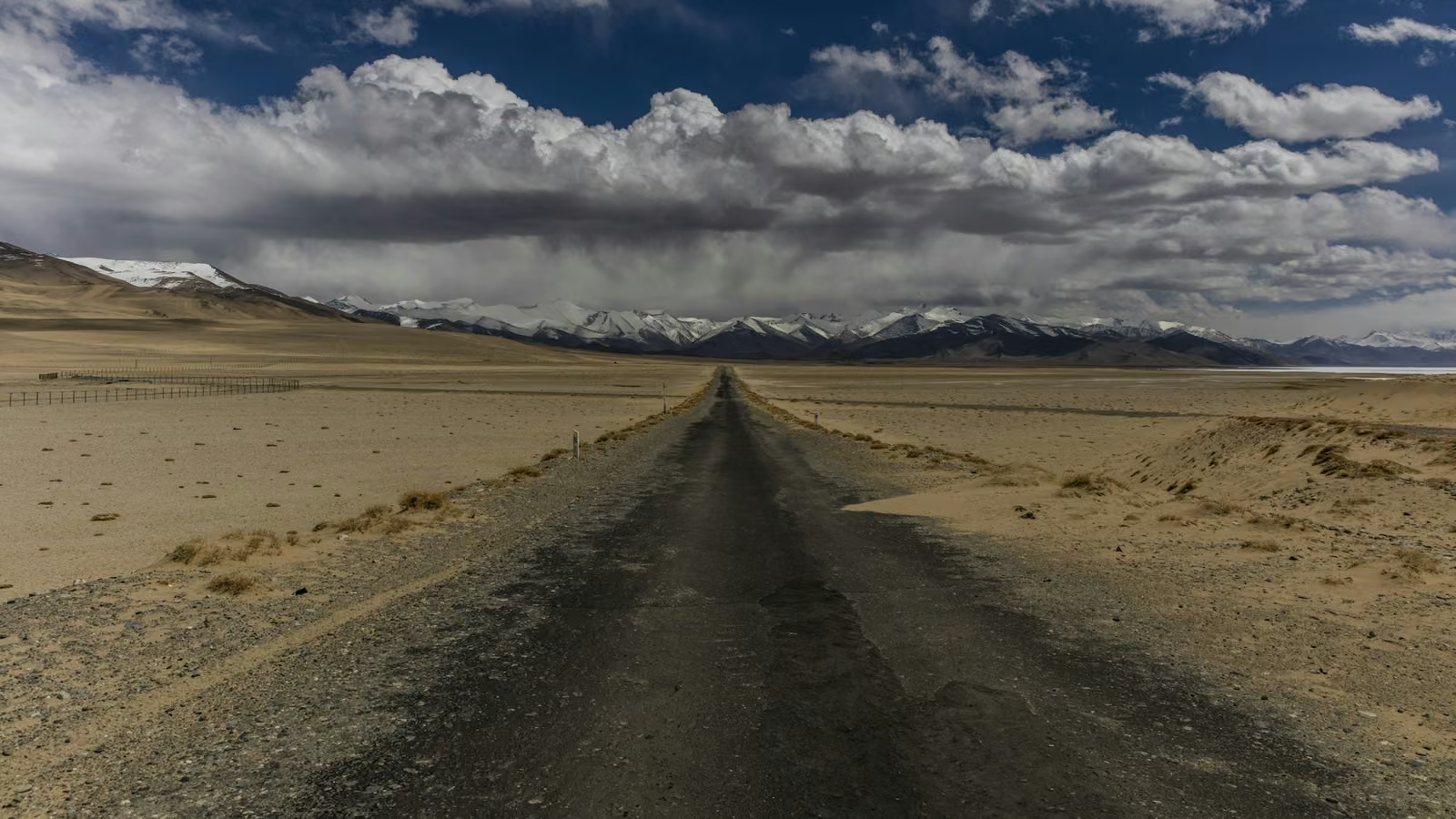
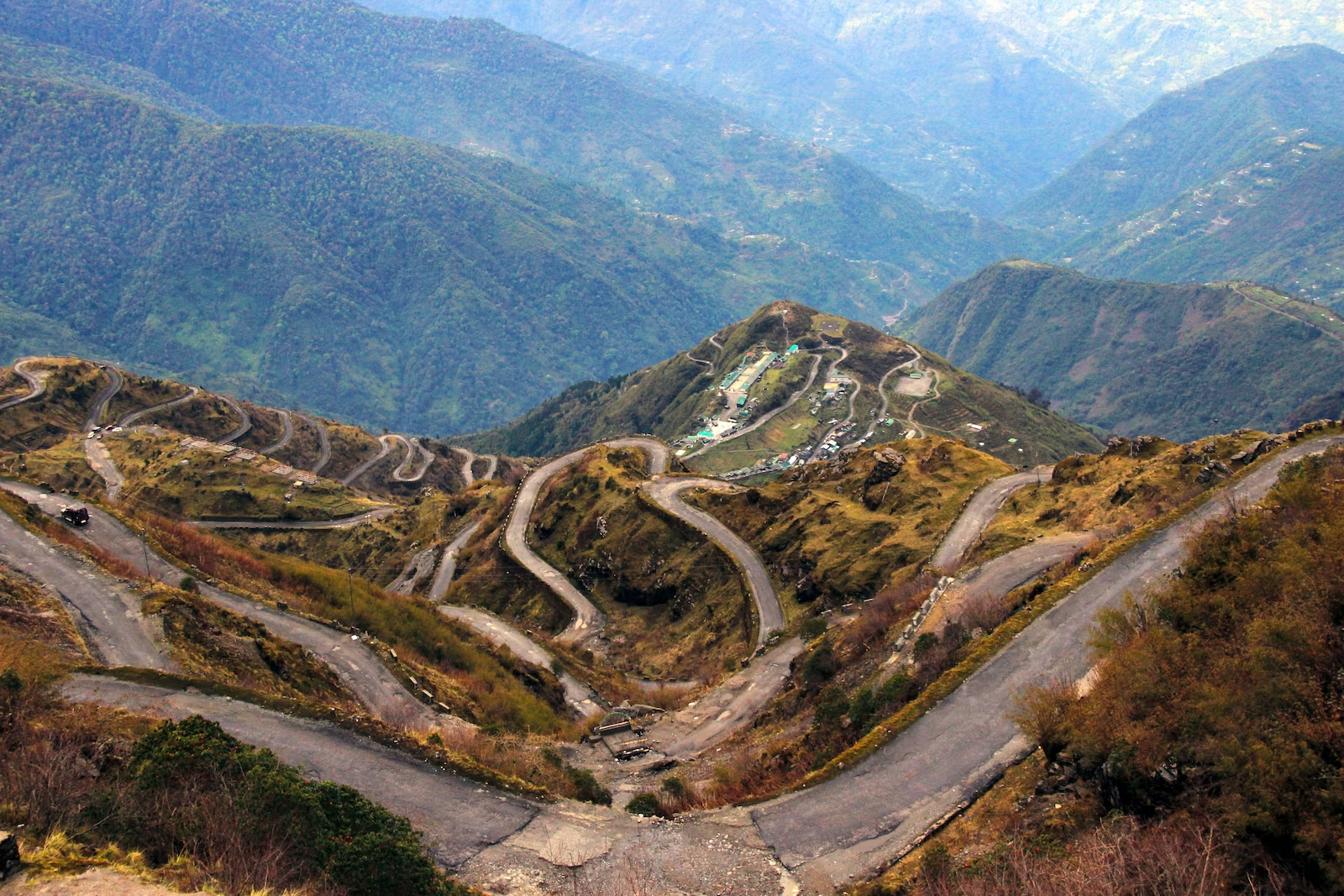
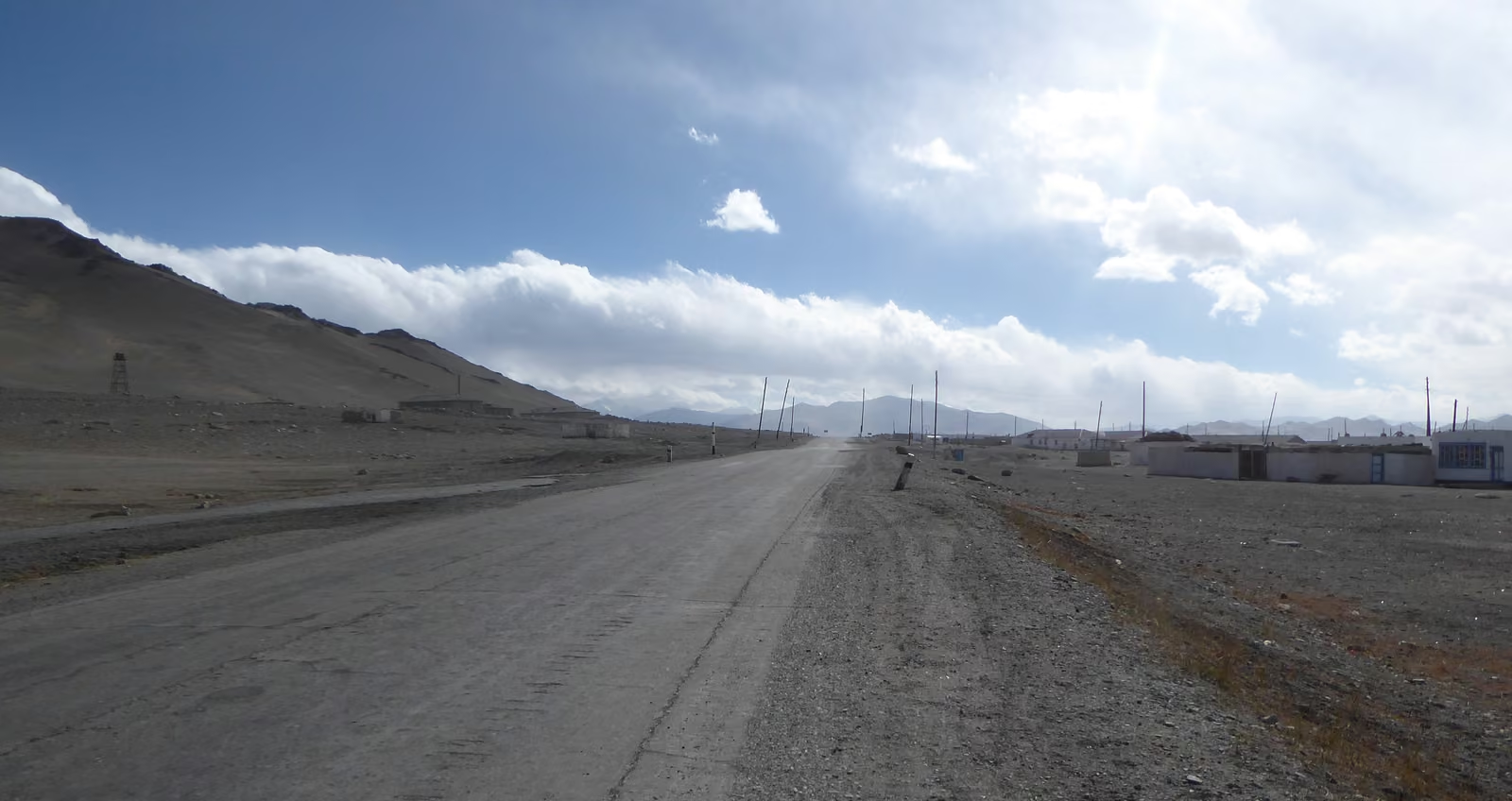
On Tajikistan’s Pamir Highway, a morning beside the Panj River can give way to a plateau where the road runs straight towards snow peaks. The change in scenery is reason enough to take your time. This itinerary starts in Dushanbe, follows the M41 east and finishes in Osh if the crossing into Kyrgyzstan is confirmed. Give it 10–12 days, and build those days around where you’ll sleep rather than how far you think you can drive.
Pamir Highway map: where the route goes
Dushanbe → Qalai Khumb → Khorog → eastern Pamirs → Murghab → Karakul → Kyzyl-Art → Sary-Tash → Osh. The M41 is the backbone. The Wakhan Valley is a separate detour along the Afghan frontier, and it isn’t necessary to see the high plateau or Karakul.
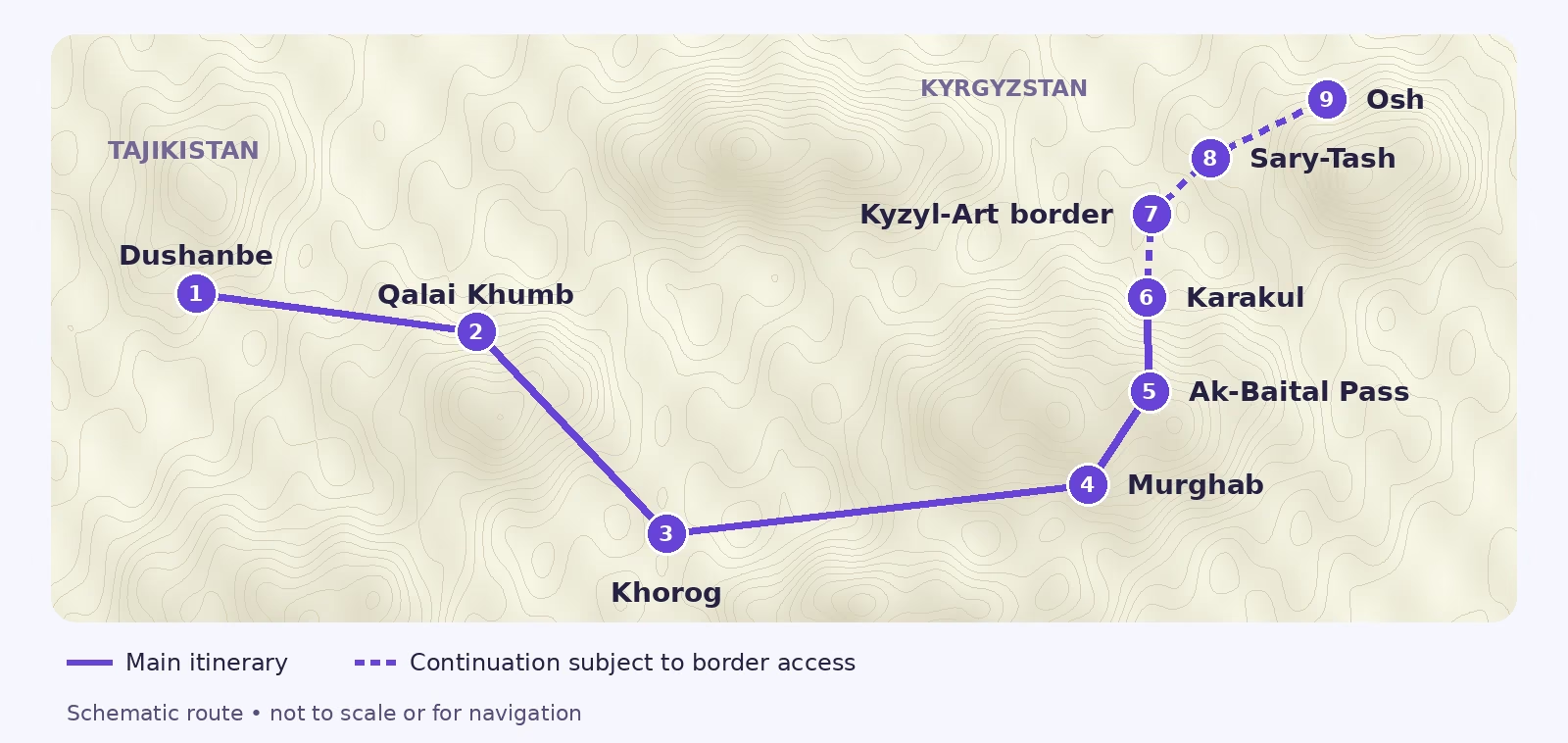
West to east is a useful starting point because the western stops give you options to stage the ascent. The order below is a framework. Agree the intermediate overnights, sleeping elevations and a lower-altitude fallback with your driver before you book.
Days 1–3: Dushanbe to Khorog
Give Dushanbe a day for supplies and final checks. Download offline maps, get some somoni in small notes and confirm the first two nights with your driver. From the capital, break the road journey in Qalai Khumb rather than pressing on to Khorog after dark. Check that the chosen approach is open and consistent with current travel advice.
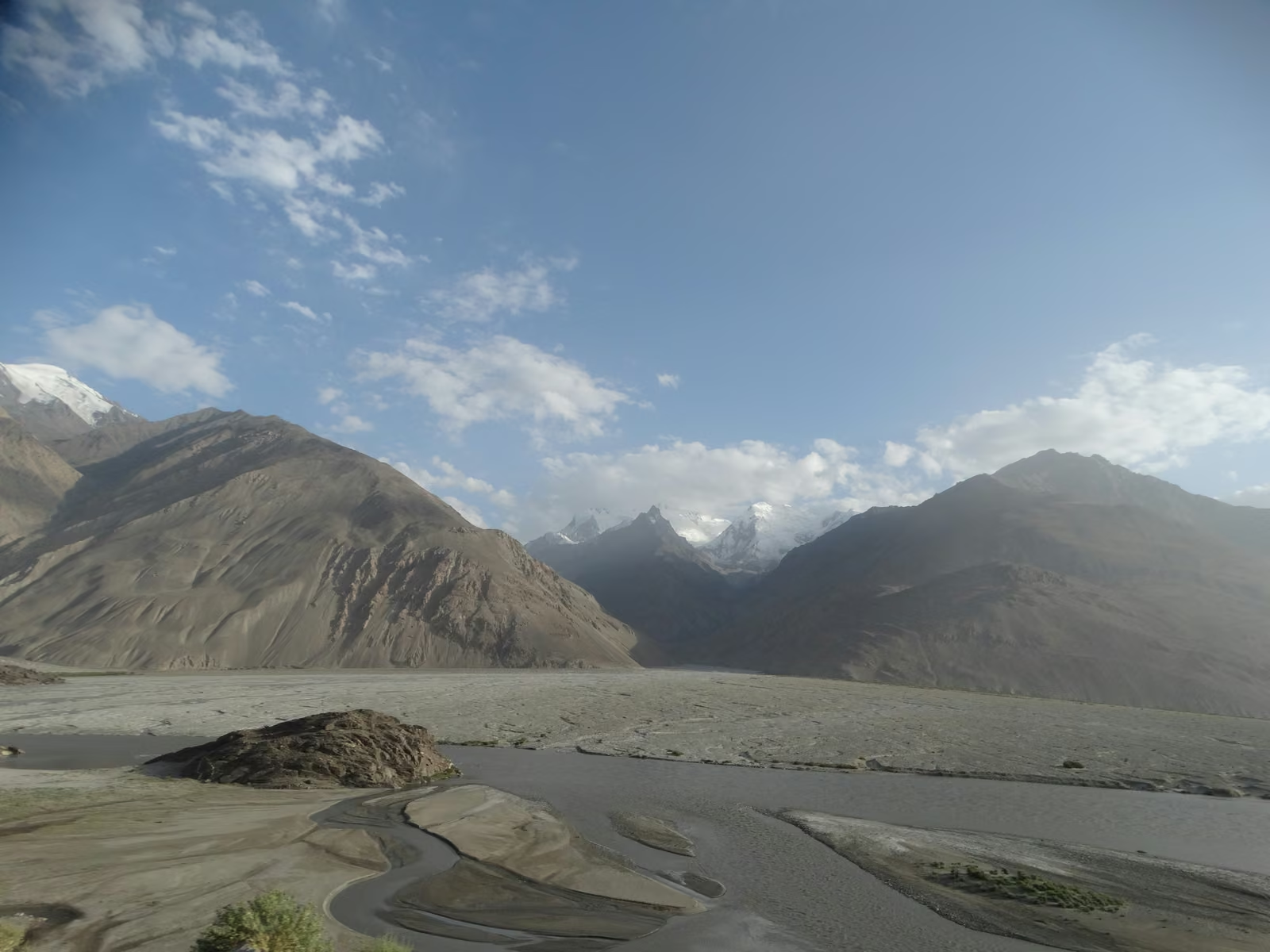
The road from Qalai Khumb to Khorog follows the Panj for long stretches. Across the water is Afghanistan. The mountains leave little room between the road and the river, so delays can take a chunk out of the day. Save any proper sightseeing for Khorog, where a guesthouse and a hot meal are more appealing than another hour in the car.
Days 4–7: Khorog to the eastern plateau
Keep an unhurried day in Khorog. Browse the bazaar, stock up and get an updated report on the next stretch. From here the land opens into broad valleys and bare hills. Ask your driver about lower and intermediate overnight options before going up to Murghab, which sits at roughly 3,600 metres. An available room on the plateau doesn’t make it the right first night at altitude.
Places such as Jelondy or Alichur may appear in a driver’s proposed plan. Check the elevation of the actual guesthouse and use stops only if they fit your acclimatisation plan; these places are already high. Once you’re comfortably acclimatised, Murghab makes a good base for a quiet afternoon and a chance to see what the weather is doing before the next pass.
Days 8–10: Ak-Baital, Karakul and Osh
The road north from Murghab climbs to Ak-Baital Pass, about 4,655 metres above sea level, before descending towards Karakul. The lake sits below a wide ring of mountains. In calm weather the water can hold their reflections; in wind, the village and the open shore feel a long way from the green valleys around Khorog.
Allow time for Karakul, but agree in advance whether to overnight there: the village is higher than Murghab and rooms are simple. Continue through Kyzyl-Art only if the crossing and your transfer are confirmed. Sary-Tash is a useful place to break the journey on the Kyrgyz side if timings require it. Keep days 11–12 for acclimatisation, road delays or an extra night before your onward connection. If you’re staying longer in Kyrgyzstan, start with our guide to Kyrgyzstan’s mountains and lakes.
Driver, season and budget
For a first visit, a local driver with a suitable 4WD is easier than self-driving. A shared Pamir Highway tour can lower the cost, but ask whether the schedule allows extra nights if someone needs more time to acclimatise. For scale, Visit Alay lists some nine-day 2027 group departures at US$525 per person. Compare inclusions, especially homestays, meals, permits and any border vehicle change. A private vehicle lets you set the pace; get a written quote for the whole route.
June to September is a common planning window, though bad weather or road damage can disrupt travel in any month. Expect simple homestays and limited connectivity. Pack warm layers, water and snacks, and carry cash, offline maps and copies of your paperwork. Keep a spare day before a fixed flight.
What to check before committing
GBAO permit: This is separate from permission to enter Tajikistan. Check the entry guidance and confirm current issuance and requirements for your passport with a Tajik embassy. Carry printed copies.
Border access: Reconfirm Kyzyl-Art with the authorities and your operator close to departure. Ask whether your nationality can cross, whether extra permission is needed and whether you’ll change vehicles. If the crossing falls through, arrange extra days for an approved return route inside Tajikistan; never count on an improvised shortcut.
Sleeping altitude: Read the CDC’s altitude guidance. Build in gradual ascent and rest days. Don’t ascend with symptoms of altitude illness; get help and descend if they worsen. Check insurance for your maximum altitude and emergency evacuation.
Regional advice: As checked on 11 November 2026, Canada advises against travel within 10 km of Afghanistan and against non-essential travel to GBAO. The classic route includes stretches near that frontier. The UK regional guidance also flags cross-border incidents and short-notice closures. Check your own government’s advice and defer or redesign the trip if your route conflicts with it.
Save the stops that interest you to your Skratch map, then leave enough room between them to see what the road is like that day.