The British Virgin Islands are made for island hopping. The territory has around 60 islands, cays and islets scattered across the Caribbean, and several of the most interesting places are only accessible by boat. That makes travelling between islands part of the holiday rather than an annoying bit of logistics. One day you can be swimming off Virgin Gorda, the next you can be exploring Norman Island or sitting in a beach bar on Jost Van Dyke. The trick is choosing the right islands. You could spend weeks trying to see everything, but most travellers will get more out of the British Virgin Islands by picking a handful and giving each enough time.
When Is the Best Time to Go Island Hopping in the British Virgin Islands?
The main tourist season runs roughly from December to April, when the weather is generally dry and temperatures are comfortable. This is also when sailing conditions tend to attract the most visitors.
December and January can be particularly pleasant if you want warm weather without the intense heat of summer. February through April is popular with sailors, so expect higher accommodation and boat prices.
May and June can offer a good balance between weather and fewer visitors. The hurricane season officially runs from June through November, so travellers visiting during this period should keep an eye on forecasts and make sure their travel insurance covers weather-related disruption.
Tortola
Tortola is the largest island in the territory and the main starting point for most trips.
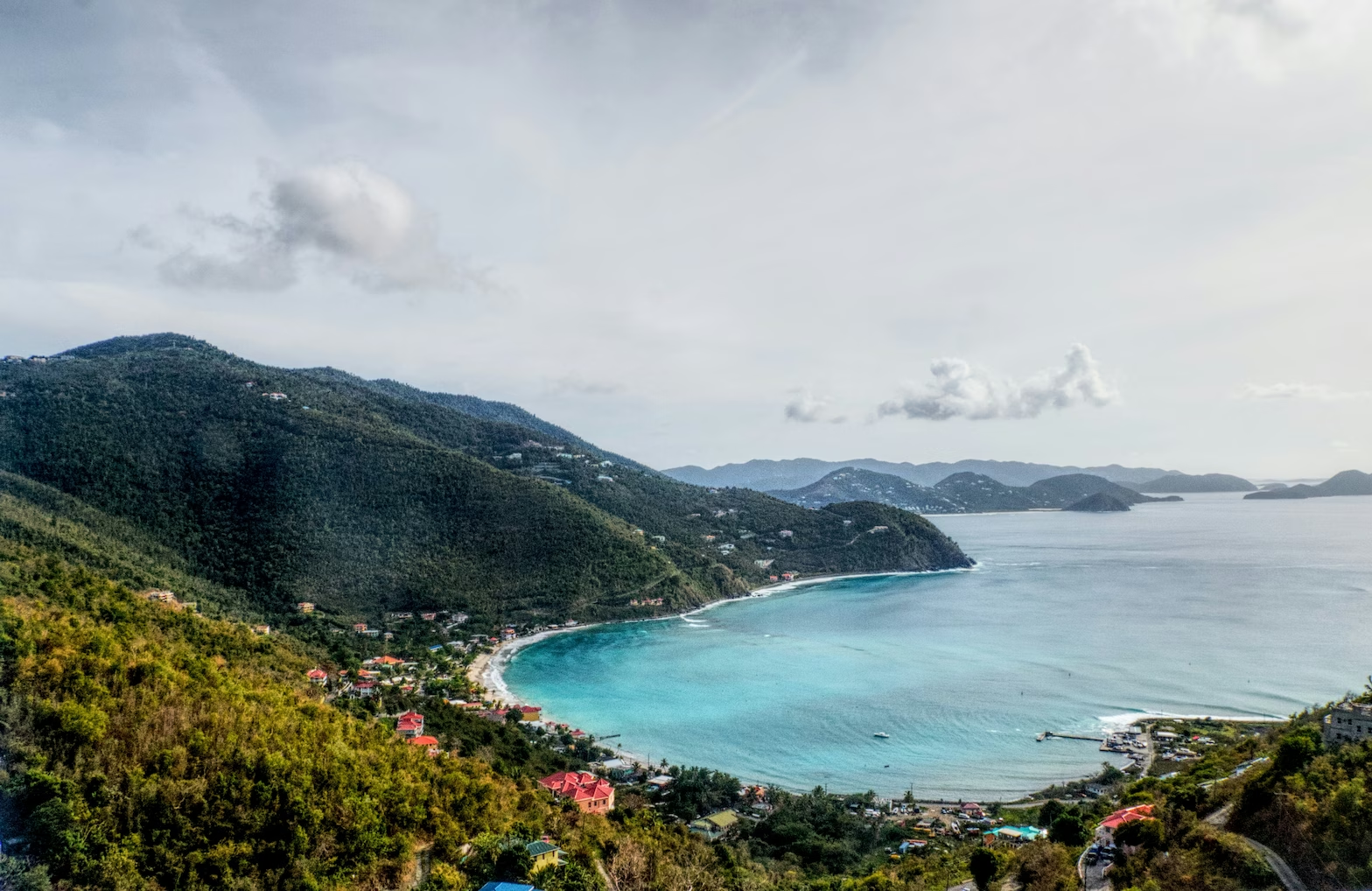
Road Town, the capital, is where you'll find ferries, shops, restaurants and plenty of accommodation. Tortola also has some excellent beaches, including Cane Garden Bay, Brewers Bay and Smuggler's Cove.
Don't make the mistake of treating Tortola as somewhere to sleep between boat trips. Renting a car or hiring a taxi for a day gives you the chance to explore the island's hills and beaches.
Tortola is also the easiest place to organise a yacht charter, boat tour or provisioning for a longer sailing trip.
Virgin Gorda
Virgin Gorda is one of the islands you should make time for.
Its biggest attraction is The Baths, a collection of enormous granite boulders creating caves, pools and narrow passages beside the beach.
You can walk through the formations and reach Devil's Bay, where the rocks meet clear Caribbean water. Wear shoes with decent grip because some sections are slippery and uneven.
Virgin Gorda also has a quieter side. The North Sound is popular with sailors and offers sheltered water, beaches and restaurants that can be reached by boat.
If you only have time for a few islands, Virgin Gorda deserves a place on the list.
Jost Van Dyke
Jost Van Dyke is small enough to explore without much planning and famous for its relaxed beach-bar culture.
White Bay is the main attraction, with a long stretch of sand lined with bars and restaurants. It's easy to arrive by boat, spend several hours swimming and eating, then move on.
The island is also home to Great Harbour and Little Jost Van Dyke, where you'll find quieter corners away from the busiest beach.
Jost Van Dyke is particularly popular with day-trippers, so staying overnight gives you a different experience once the excursion boats leave.
Anegada
Anegada is the odd one out geographically. While most of the main British Virgin Islands are mountainous and volcanic, Anegada is a low-lying coral island.
It's known for long beaches, shallow turquoise water and extensive reefs. The island is also famous for lobster, which appears on menus across its small collection of restaurants.
Anegada takes longer to reach than Tortola, Virgin Gorda or Jost Van Dyke, but that's part of its appeal. It tends to feel quieter and less developed.
If you're looking for beaches, wildlife and a slower pace, stay at least one night rather than treating it as a quick excursion.
Norman Island
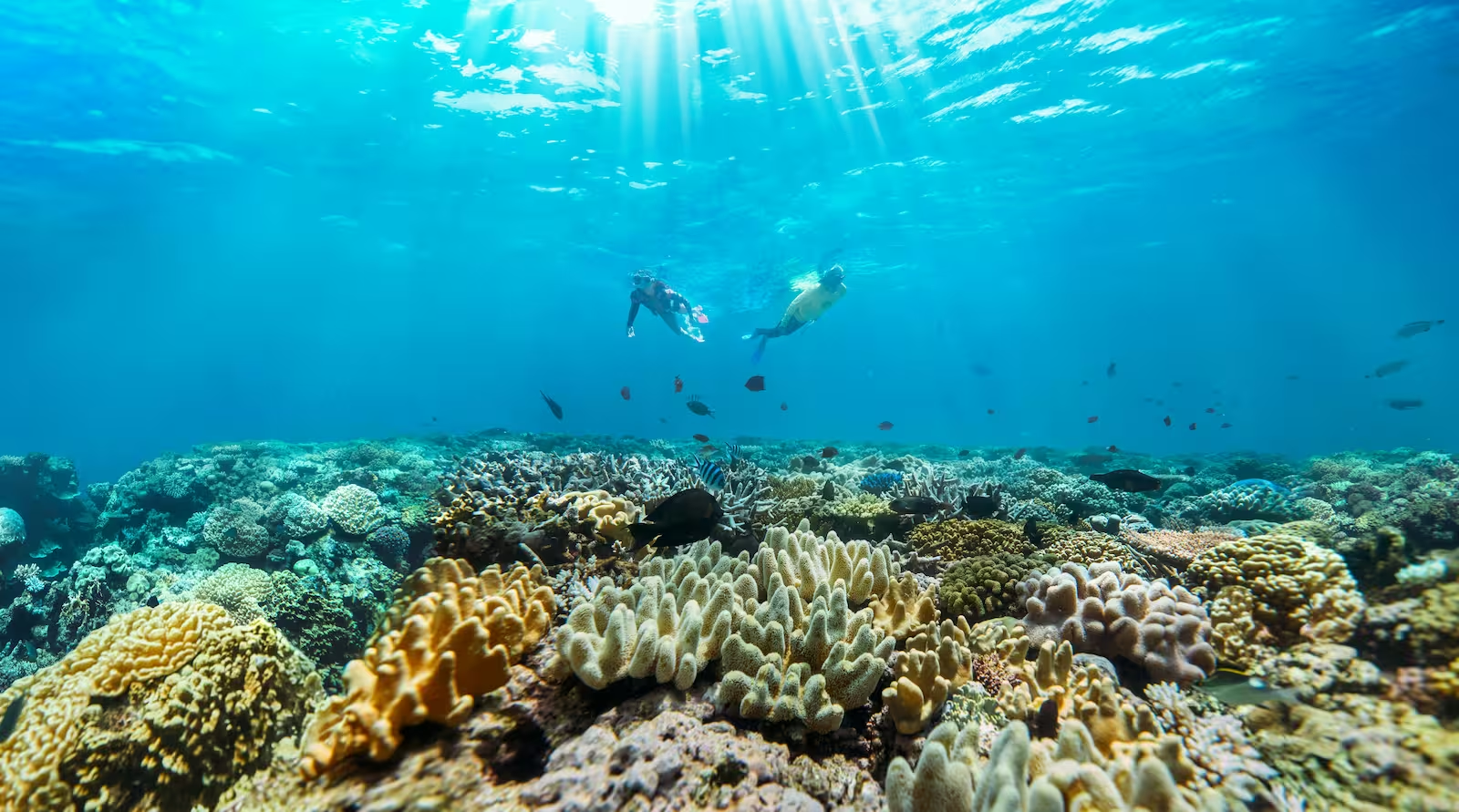
Norman Island is another popular stop, particularly for snorkelling.
The Caves at Treasure Point are among the island's main attractions. You can swim or snorkel around the rocky coastline, exploring underwater areas where visibility can be excellent on calm days.
Norman Island is also associated with pirate legends and is often linked to the story that inspired Robert Louis Stevenson's Treasure Island. The historical details are less certain than the stories suggest, but they have become part of the island's character.
It's an easy addition to a sailing itinerary from Tortola.
Peter Island
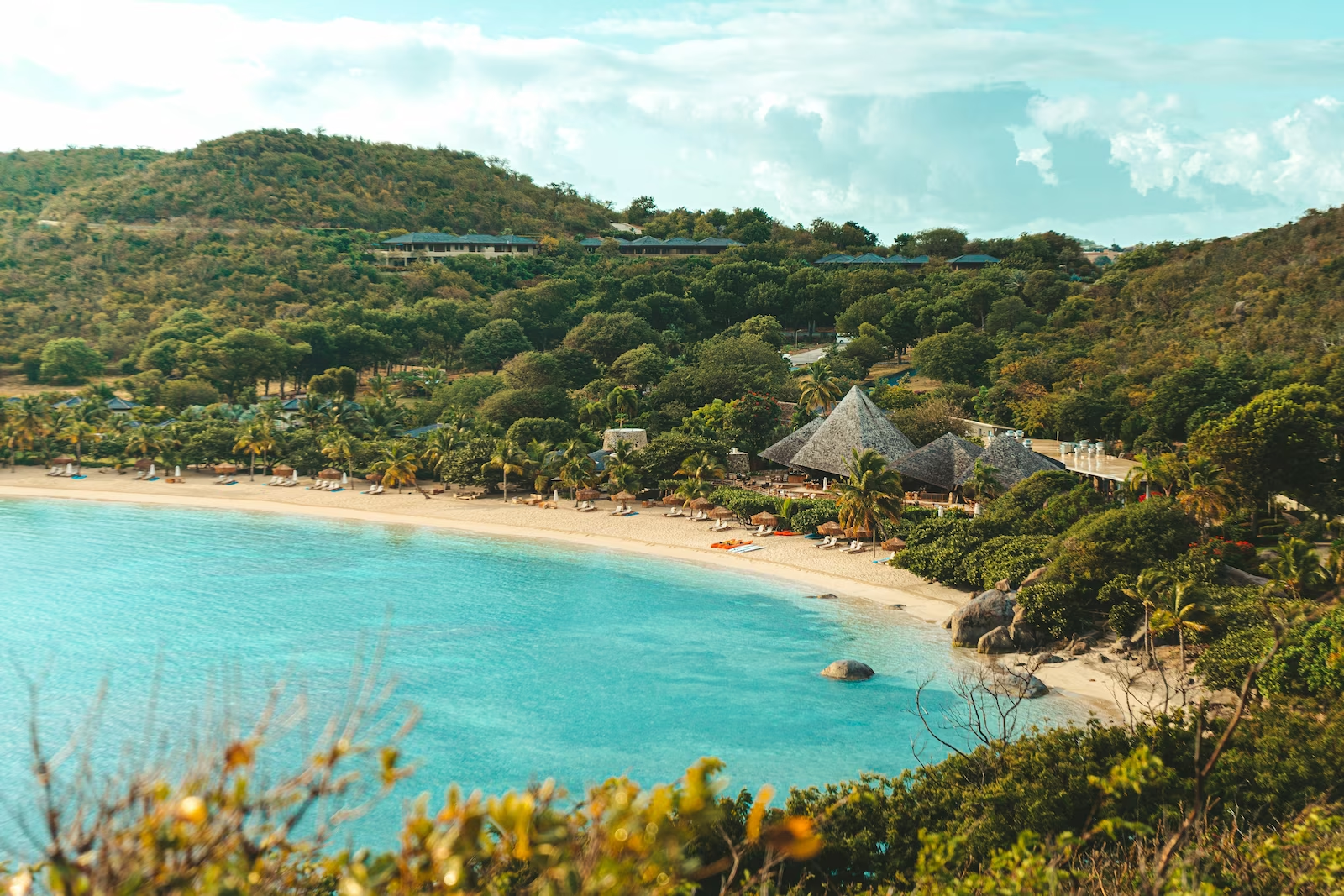
Peter Island sits close to Tortola and is useful if you want a quieter stop without travelling far.
Deadman's Beach is the best-known stretch of sand, while nearby bays provide opportunities for swimming and snorkelling.
The island has historically been associated with resort tourism, but access and facilities can change, so check current arrangements before planning an entire day around a specific property.
For independent island hopping, treat Peter Island as a scenic stop rather than somewhere that requires a packed itinerary.
Cooper Island
Cooper Island is small and easy to combine with other destinations.
Its sheltered waters make it popular with sailors, and the island has a marina and places to eat and relax. Snorkelling is another reason to stop, with several sites accessible around the coast.
Cooper Island works particularly well as part of a sailing itinerary where you're moving between several islands each day.
How to Get Around the British Virgin Islands
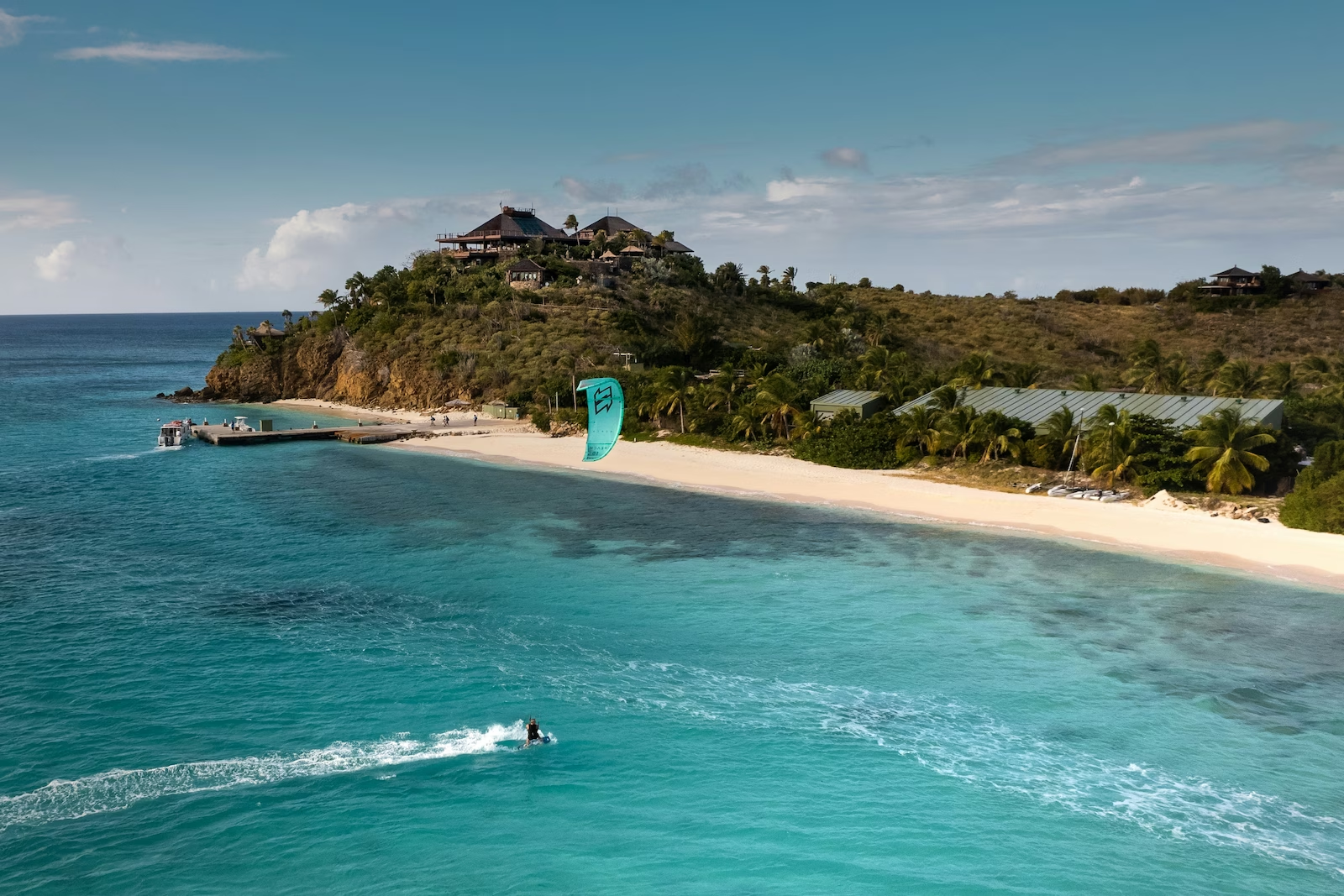
There are three main ways to island hop: ferries, water taxis and private boats.
Ferries are usually the most practical option for travellers staying on land. Routes connect major islands, particularly Tortola, Virgin Gorda and Jost Van Dyke, although schedules vary and some smaller islands have limited services.
Water taxis provide more flexibility and can take you to places that aren't covered by regular ferry routes. They're particularly useful for groups or travellers working with a tight schedule.
Then there's sailing. Bareboat charters and crewed yachts are hugely popular in the British Virgin Islands because the islands are relatively close together and many anchorages are sheltered.
You don't need to charter a yacht for a week to enjoy being on the water. Day sails and shared boat trips are also available.
Should You Rent a Car?
A car can be useful on Tortola and Virgin Gorda, particularly if you want to visit beaches away from the main ferry terminals.
The roads can be steep and winding, and driving is on the left. Rental cars and taxis are widely used, but don't expect perfectly flat roads or huge highways.
On smaller islands, you may be able to walk, rent a scooter or use taxis instead.
How Many Days Do You Need?
A week is enough for a good introduction to the British Virgin Islands.
A simple route could include three nights on Tortola, two nights on Virgin Gorda and two nights split between Jost Van Dyke and Anegada. If you prefer sailing, you can move around much more frequently.
💡 Ten days to two weeks gives you more flexibility and allows you to include smaller islands or spend longer in places you particularly enjoy.
Avoid changing islands every single day if you can. Boat transfers take time, and constantly packing and unpacking can turn a relaxing Caribbean holiday into a strangely nautical version of a business trip.
How Much Does Island Hopping Cost?
The British Virgin Islands aren't a particularly cheap destination. Accommodation, boat trips, restaurants and taxis can add up quickly.
Ferries are generally more affordable than private water taxis, while shared excursions can reduce the cost of getting on the water.
If you're travelling with a group, renting a villa and splitting the cost can make sense. A yacht charter is considerably more expensive, but splitting it between several people can make it more realistic than it first appears.
Food costs can also vary significantly. Beachfront restaurants and resort dining are convenient but expensive, while local restaurants and takeaway spots can bring the daily budget down.
What to Pack for an Island-Hopping Trip
Pack light. You'll be moving between boats, ferries, beaches and accommodation, and a large suitcase becomes a nuisance surprisingly quickly.
Quick-drying clothes, swimwear, sandals, sunscreen and a reusable water bottle are essentials. Bring a dry bag for phones, cameras and other electronics when travelling by water.
A light waterproof layer is also useful. Tropical rain can arrive quickly, even on an otherwise sunny day.
If you plan to snorkel frequently, bringing your own mask can be worthwhile for comfort and hygiene, although equipment is available to rent in many places.