Sri Lanka is one of those rare countries that feels manageable and overwhelming at the same time. It’s small enough to explore in a couple of weeks, yet dense with landscapes, culture, and history. You can go from ancient cities to misty tea fields, from safari drives to quiet beaches, all within a few hours of travel. This guide takes you through a realistic, well-paced two-week Sri Lanka itinerary that balances movement with breathing room, because this island rewards those who slow down just a little.
Arriving and getting around
Most trips begin in Colombo, but the capital is rarely the highlight. Many travelers land, catch their breath, and move on quickly, which is often the right call.
Sri Lanka’s charm reveals itself once you head inland or south. Travel times can look short on a map, but traffic, winding roads, and train schedules mean you should never plan too much in a single day.
Trains are one of the great joys of Sri Lanka. They’re slow, scenic, and wonderfully social. Drivers and private transfers make sense for flexibility, while buses are cheap and surprisingly efficient if you’re comfortable going with the flow.
Days 1–2: Colombo and the Coastal South
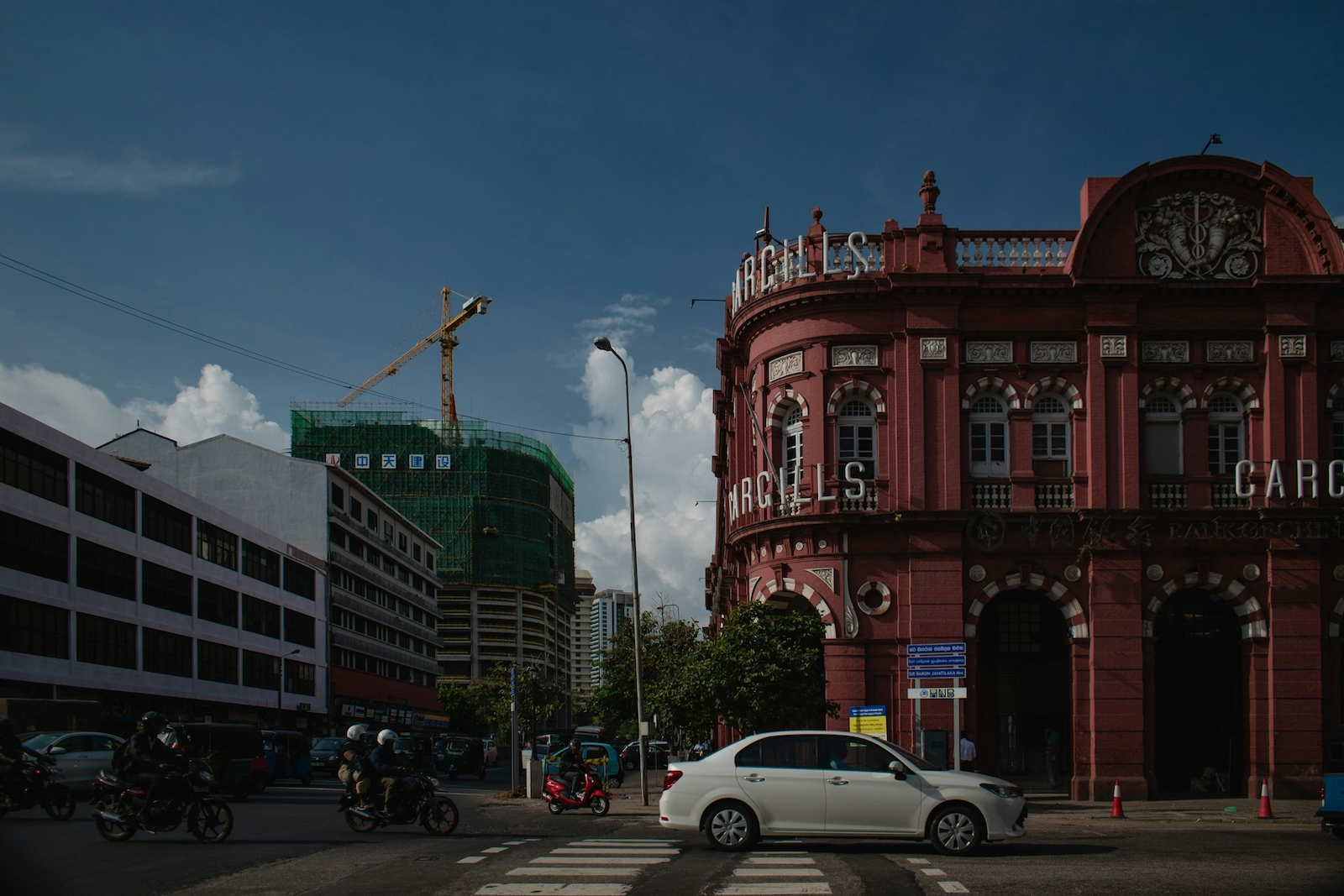
Spend your first day adjusting rather than sprinting. Colombo offers a glimpse into modern Sri Lanka, with lively markets, colonial-era buildings, and food that immediately sets the tone for the trip. A short stay helps you acclimate before heading south along the coast.
From Colombo, make your way toward Galle or one of the smaller beach towns nearby. Galle’s historic fort is a great introduction to the island’s layered past, mixing Dutch colonial architecture with ocean views and laid-back cafés. Evenings here are made for walking the fort walls and watching the sky change colors over the Indian Ocean.
Days 3–4: Southern Beaches and Easy Days
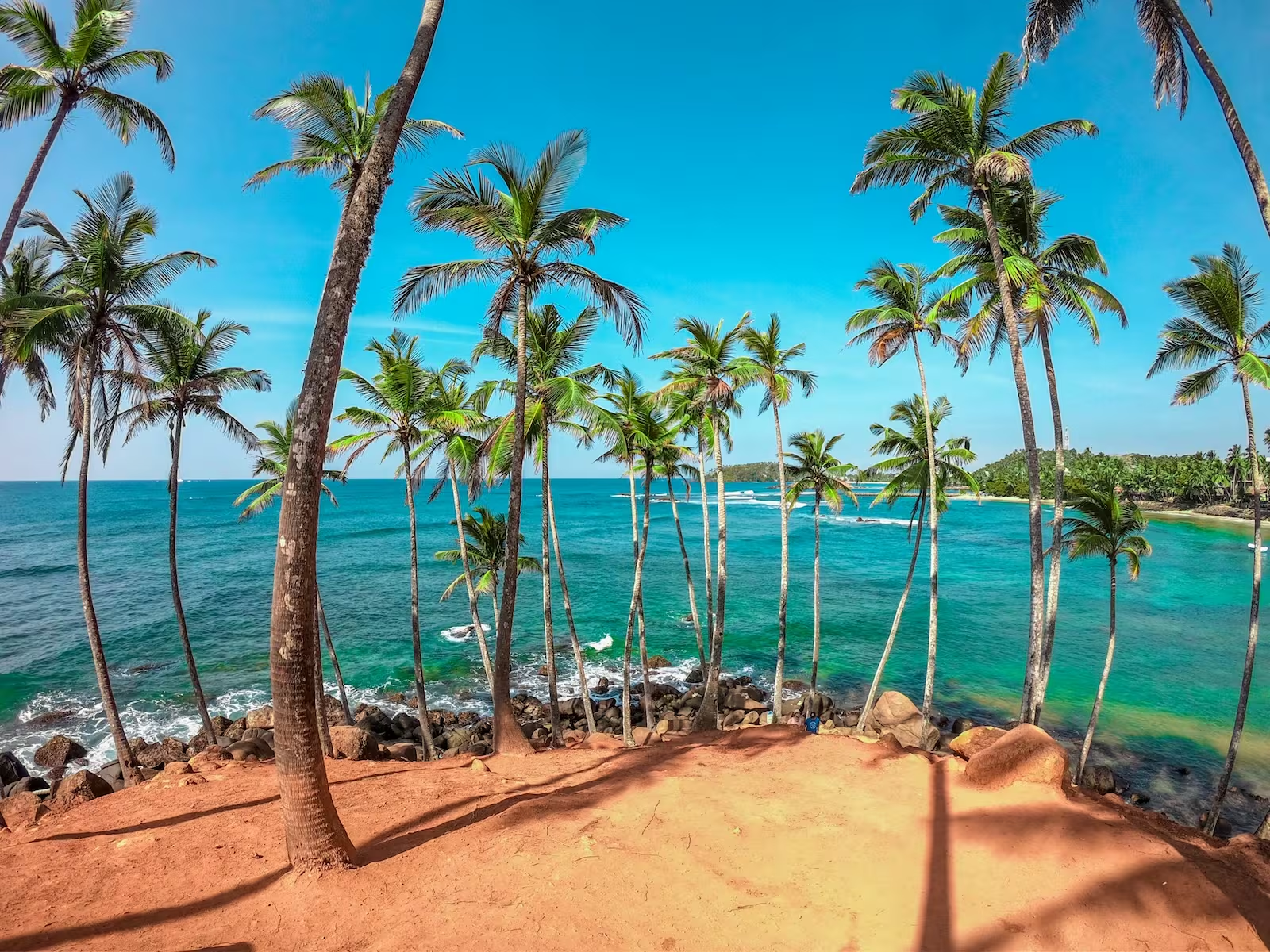
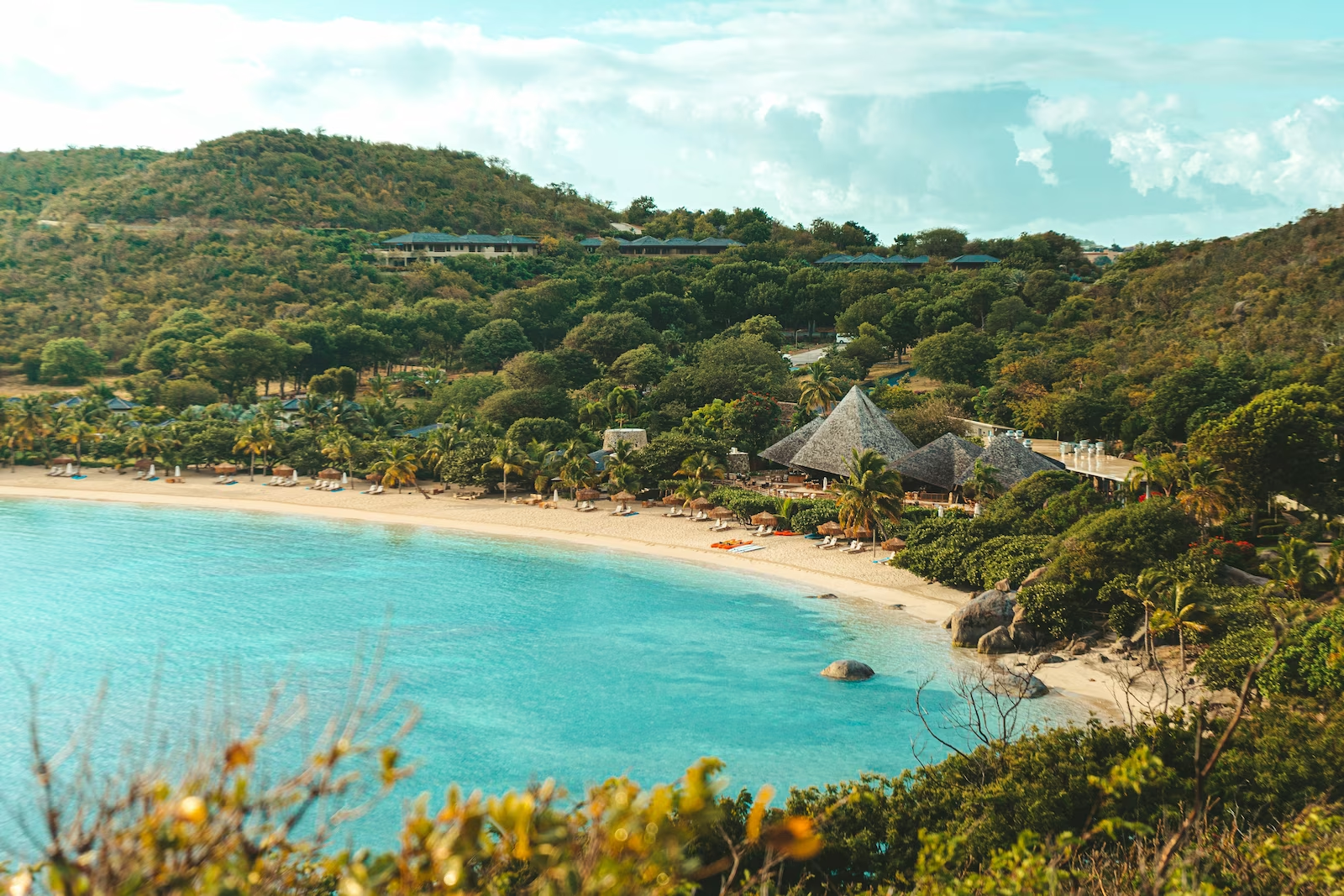
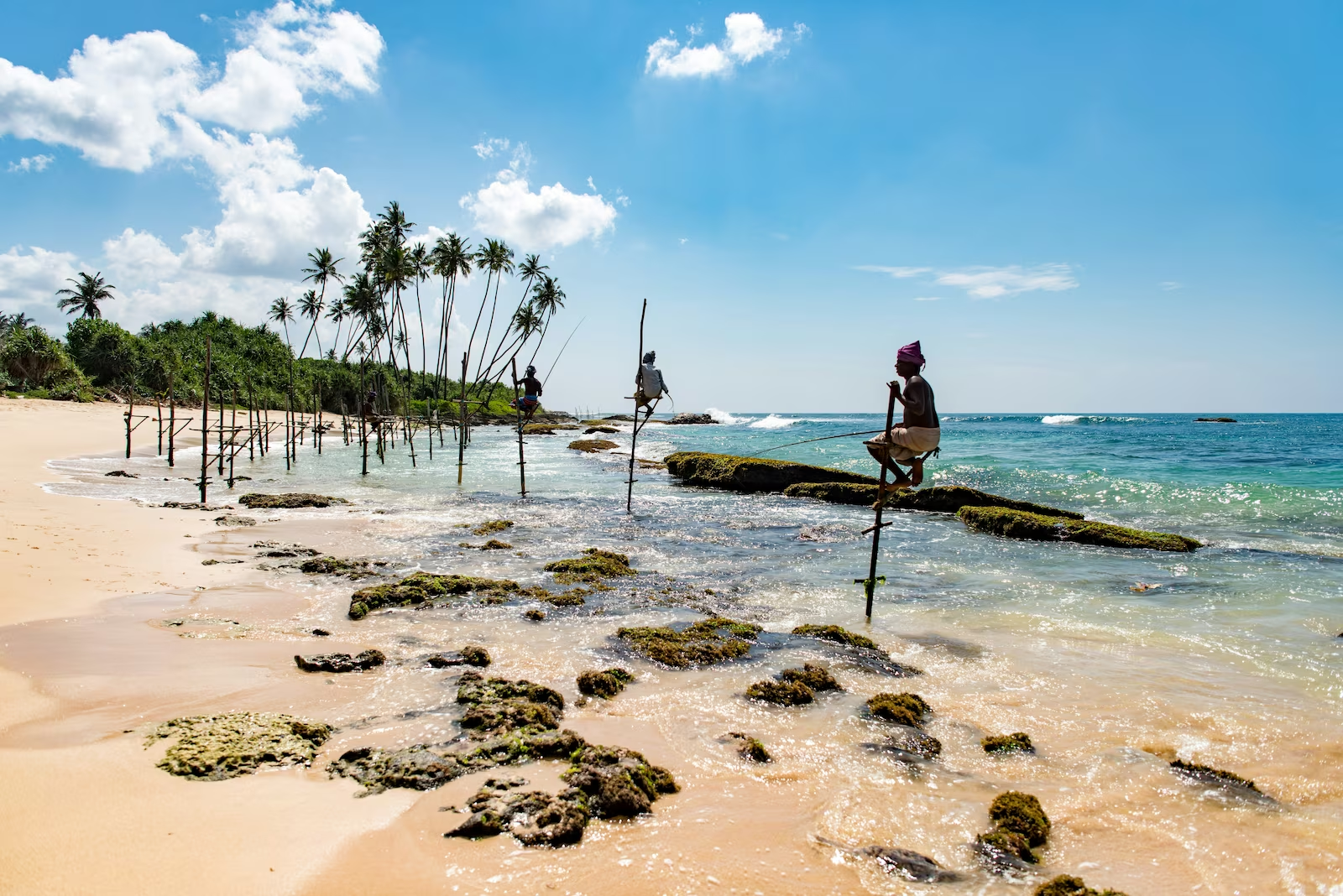
The southern coast is where Sri Lanka teaches you how to relax. Beaches around Mirissa, Weligama, and Tangalle offer a mix of swimming, surfing, and doing very little at all. This is also a good place to recover from jet lag and settle into island time.
You can take a whale-watching trip if the season is right, though many travelers are just as happy floating in the water or sitting barefoot at beach cafés. These days are intentionally light on plans—Sri Lanka gets intense later.
Days 5–6: Yala or Udawalawe National Park
Sri Lanka’s wildlife scene often surprises people, and a safari here feels different from anywhere else. Instead of vast open savannahs, you’re moving through scrubland, forest, and wetlands. Leopards, elephants, crocodiles, and countless birds all live here, and sightings feel intimate rather than staged.
Yala is the most famous, while Udawalawe is often praised for elephant sightings. Staying near the park lets you head out early in the morning, when animals are most active and the light is best.
Days 7–8: Ella and the Hill Country
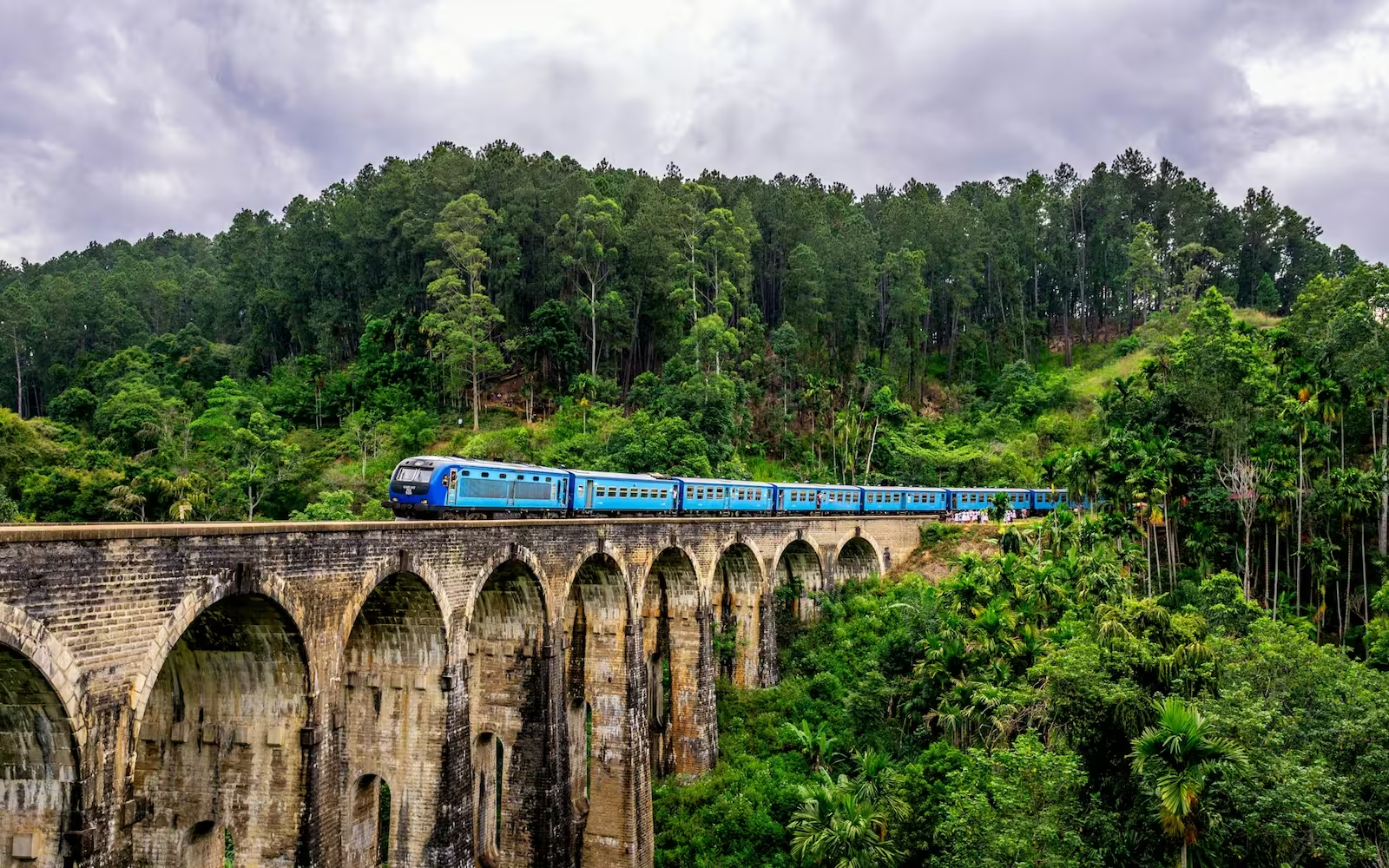
The shift from the coast to the hills is dramatic. Suddenly the air cools, the roads twist, and the landscape turns deep green. Ella is a small mountain town surrounded by tea plantations and hiking trails. It’s relaxed, social, and a favorite stop for good reason.
Spend your time walking through tea fields, hiking to viewpoints, and riding the famous train route through the hills. The journey itself becomes the highlight, with open doors, leaning passengers, and views that don’t need filters.
Days 9–10: Nuwara Eliya and Tea Country
Further into the hills, Nuwara Eliya feels like a leftover piece of the British Empire, complete with colonial houses and cool weather. This region is all about tea, and visiting a working plantation gives you a better understanding of how deeply tea shapes Sri Lankan life.
Mornings here are misty and quiet, perfect for walking through plantations or sitting with a cup of fresh tea while clouds drift past. It’s slower, calmer, and a refreshing contrast to the coastal heat.
Days 11–12: Kandy and Sri Lanka’s Cultural Heart
Kandy is one of Sri Lanka’s most important cultural centers and home to the Temple of the Sacred Tooth Relic. The city wraps around a lake, with hills rising behind it, and feels both busy and spiritual at the same time.
Exploring Kandy is about understanding tradition—temples, ceremonies, markets, and everyday rituals. Even if you’re not deeply religious, the sense of history here is powerful and grounding.
Days 13–14: Sigiriya, Dambulla, and the Ancient Cities
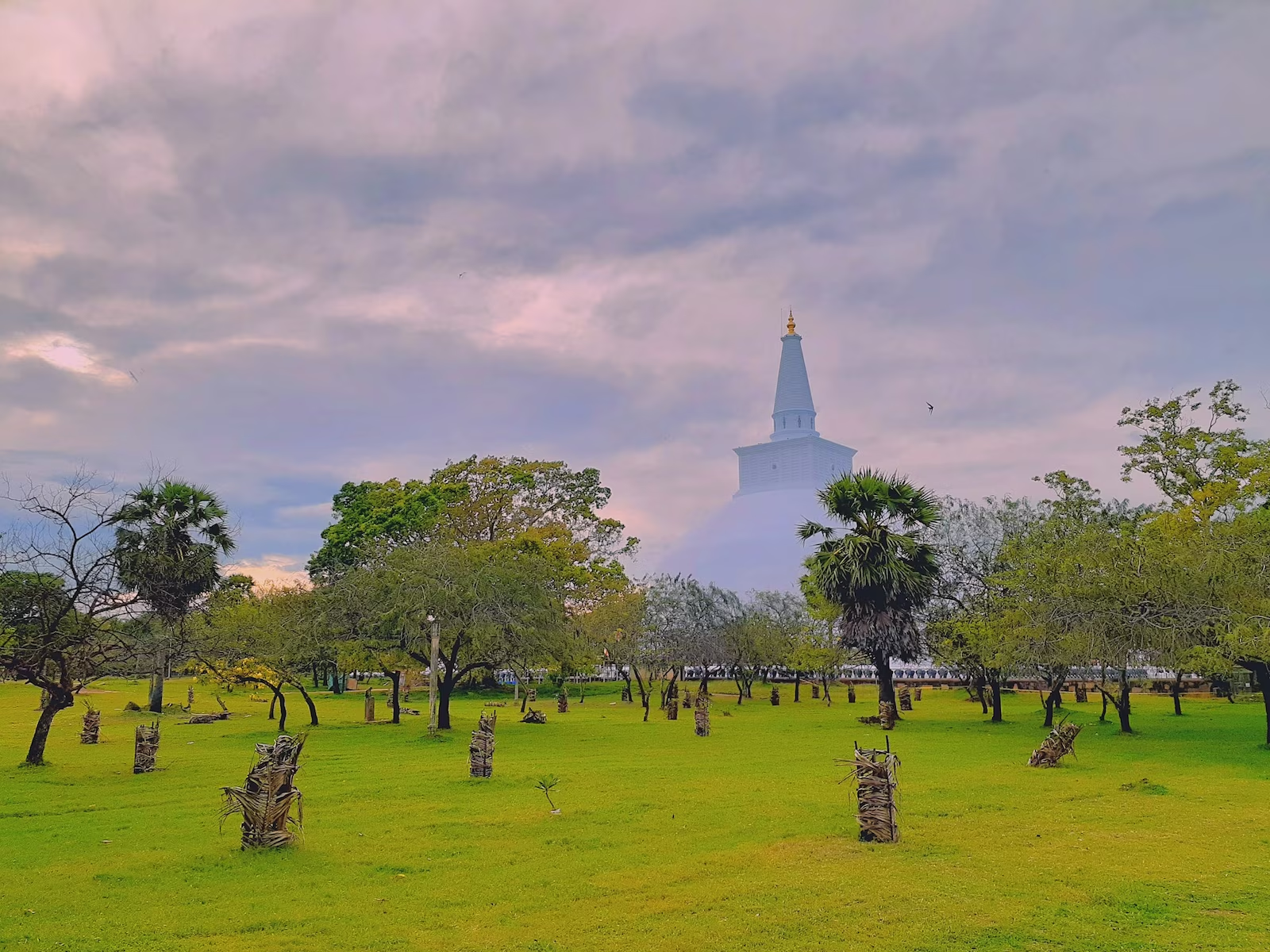
No two-week Sri Lanka itinerary feels complete without stepping into the ancient heart of the island. Sigiriya’s rock fortress rises dramatically from the landscape and rewards those who climb it with sweeping views and a glimpse into ancient engineering. Nearby Dambulla’s cave temples add depth to the experience, filled with murals and statues that feel timeless.
This region connects Sri Lanka’s past with its present and gives real context to everything you’ve seen so far.
Food, costs & practical travel tips
Sri Lankan food is flavorful, spicy, and endlessly varied. Rice and curry looks simple but changes from place to place, with different vegetables, sambols, and sauces each time. Eating locally keeps costs low and experiences rich.
Sri Lanka remains budget-friendly, though prices are slowly rising. Accommodation ranges from family-run guesthouses to boutique hotels, and it’s easy to tailor the trip to your comfort level.