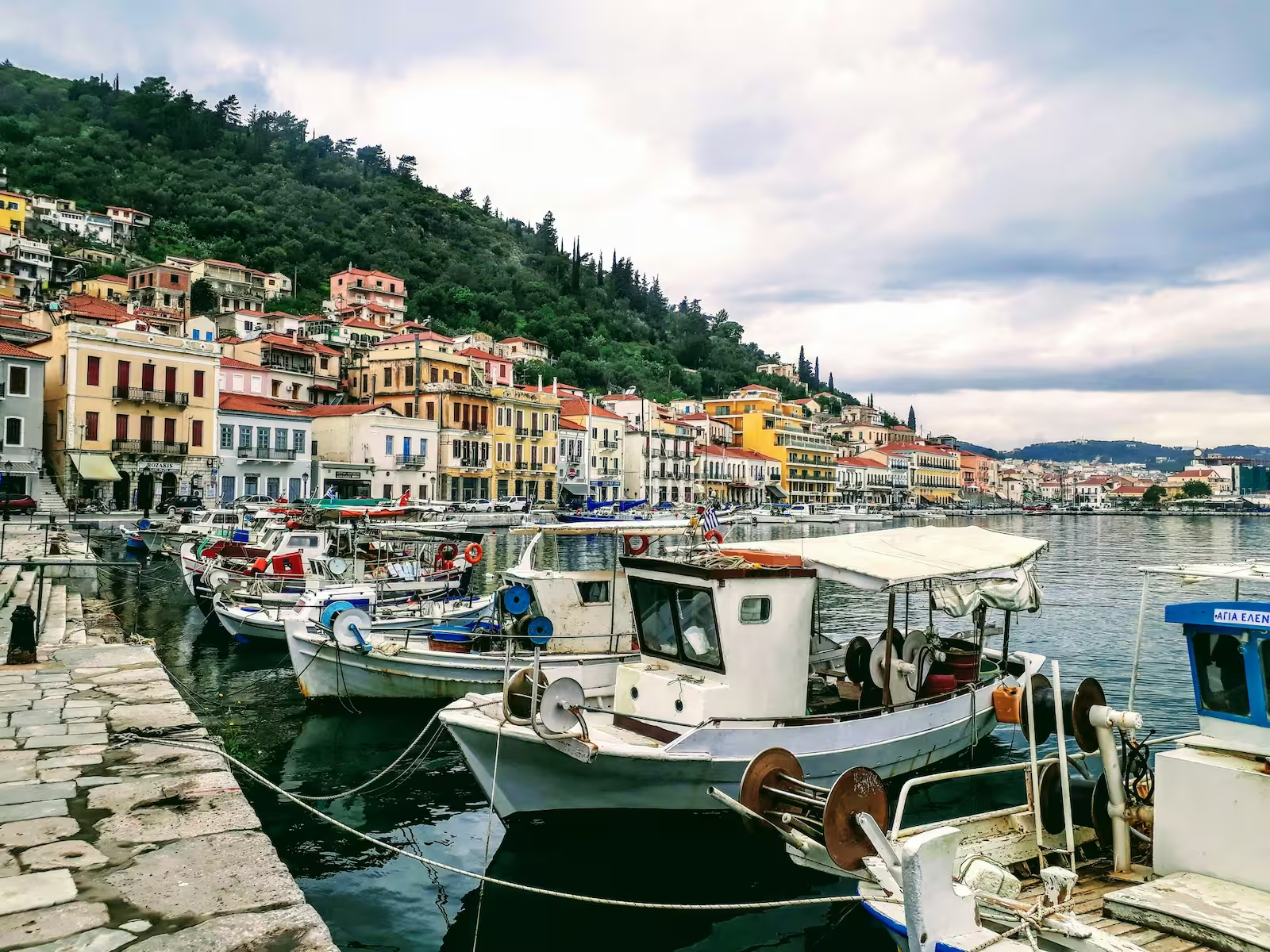
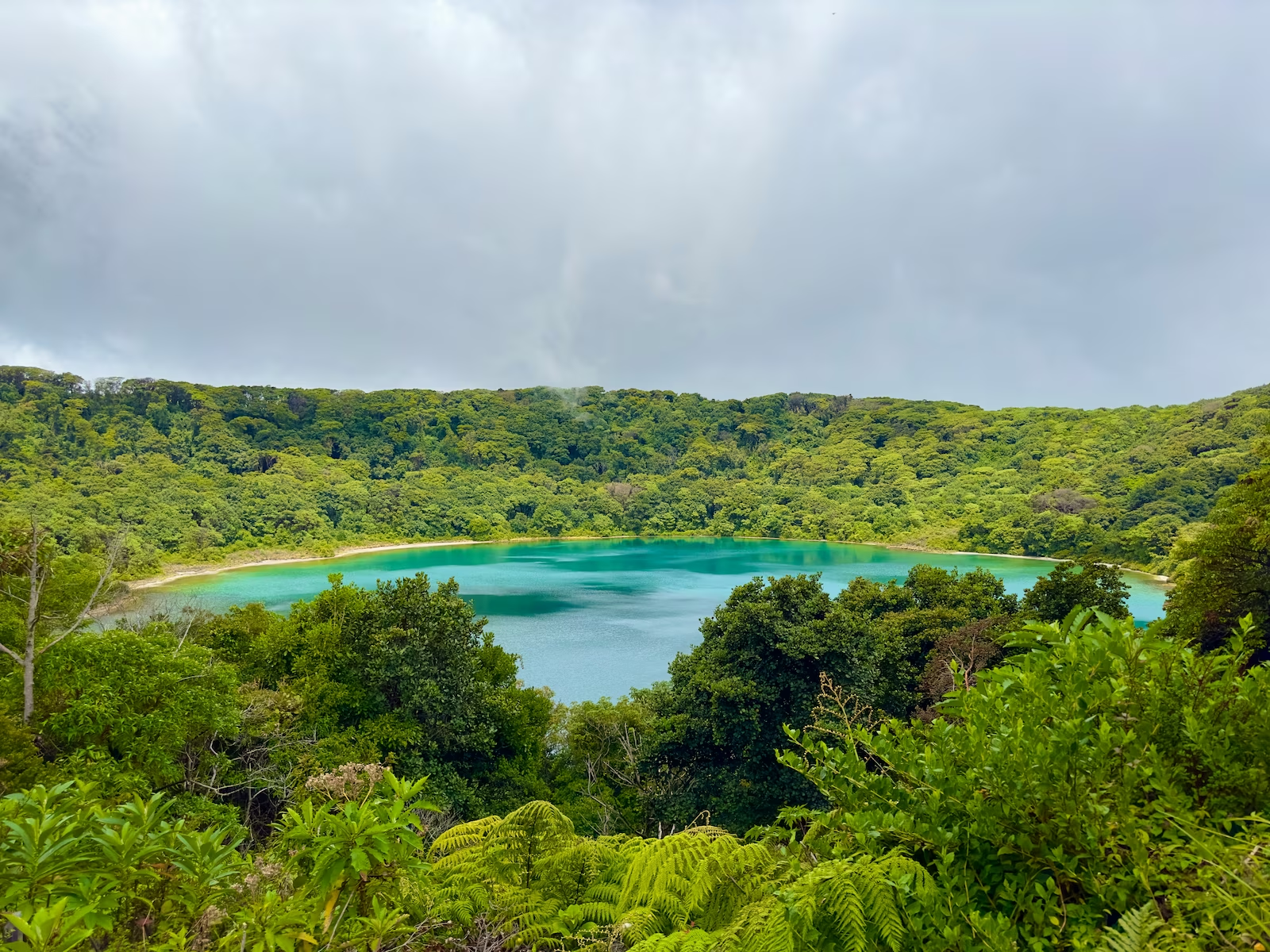
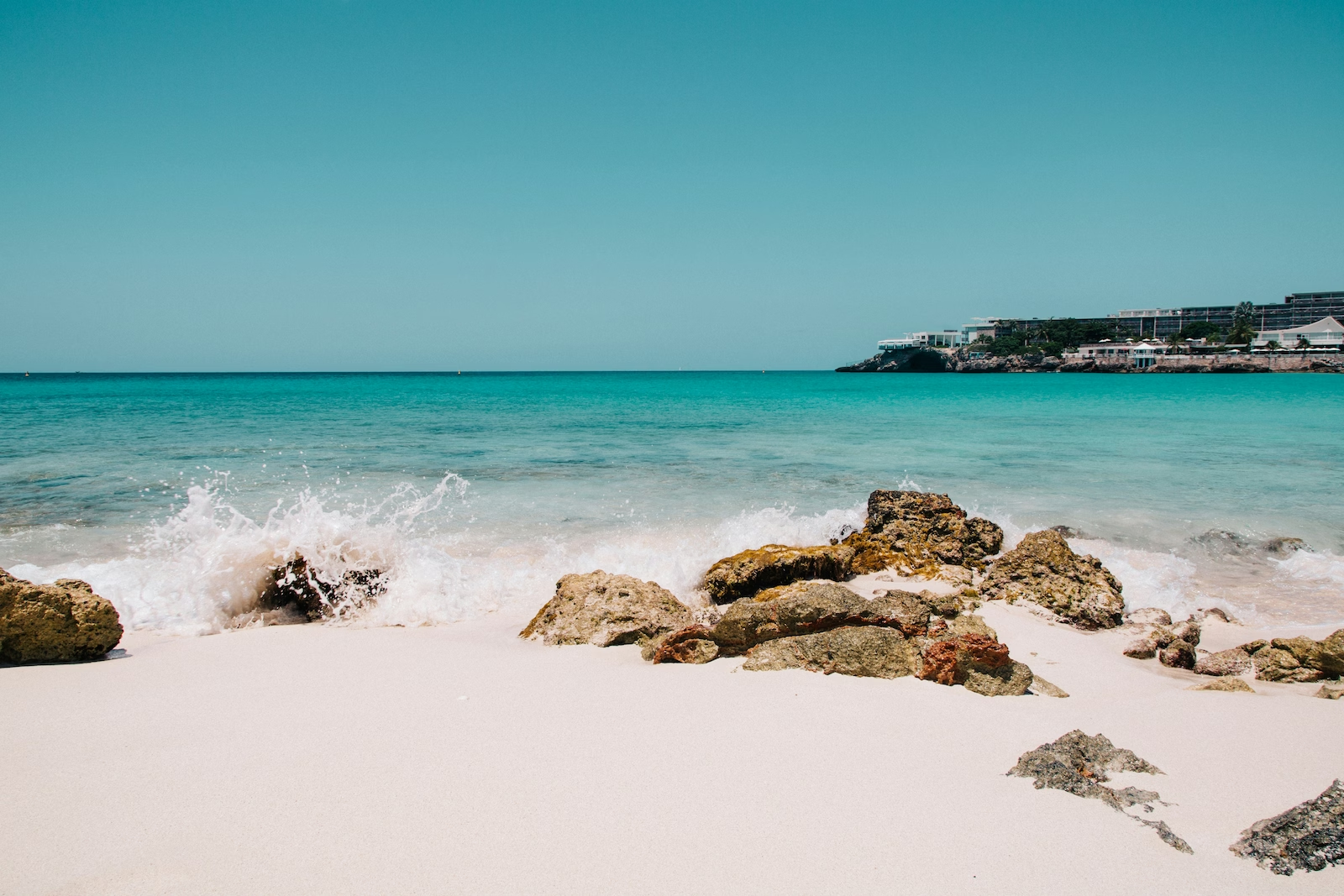
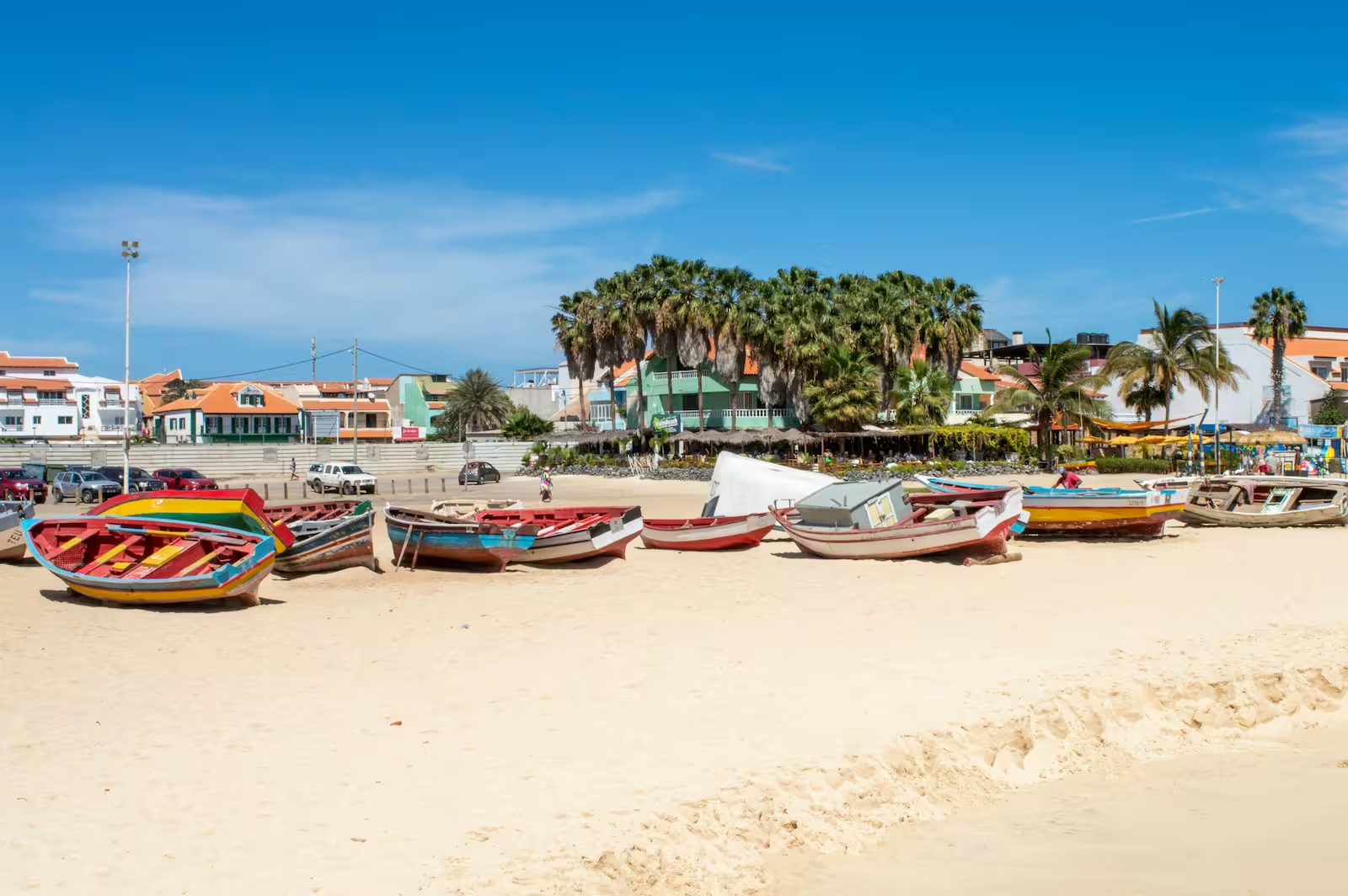
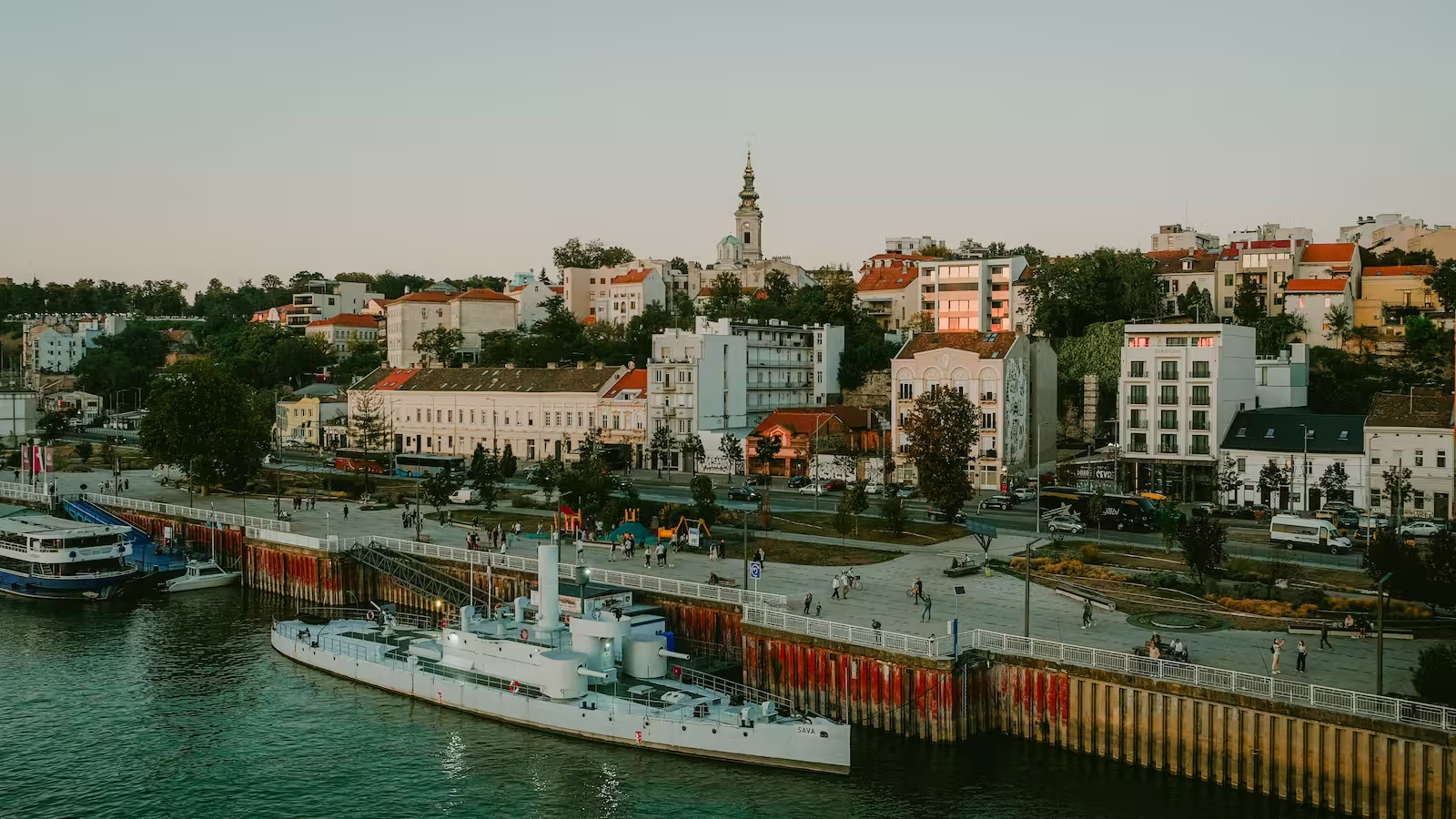
We often picture Greece in the summer, but the off-season (November-March) offers a different kind of magic. Experience authentic culture by connecting with local life and history without the tourist crowds. You'll also enjoy better value with lower prices on flights and hotels, all while exploring ancient sites at a more relaxed pace. Read on to find out if Greece is worth visiting in the off-season!
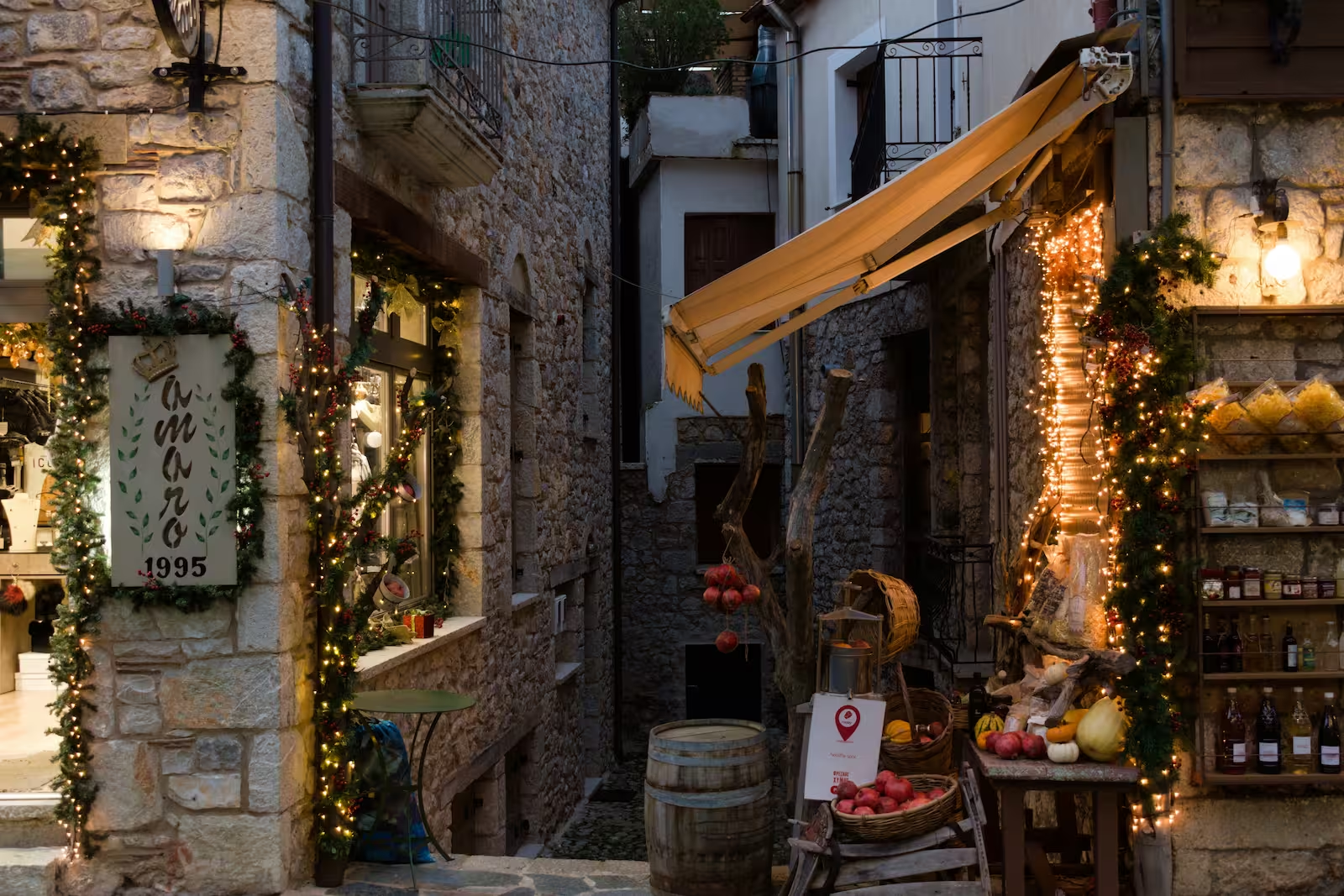
Affordability and Authenticity
Visiting Greece outside the busy summer months transforms your trip. You'll save money and enjoy a more authentic, crowd-free experience.
Stretch Your Budget Further
Traveling in the off-season turns Greece into an affordable European destination.
- Cheaper Flights & Stays: You'll find the lowest prices on airfare and hotels, often getting luxury accommodations for a mid-range budget.
- Lower Daily Costs: Restaurants and cafés frequented by locals lower their prices, making dining out easy and affordable.
- Cultural Deals: Many museums and archaeological sites offer reduced entry fees, with some days being completely free.

Discover Greece in Peaceful Solitude
Discover a different, more serene Greece away from the crowds. Imagine having iconic sites like the Acropolis or Knossos largely to yourself, exploring ancient ruins not just in peace, but amidst a stunningly transformed landscape. The winter rains wash away the summer dust, replacing it with vibrant green grass and foliage that make the white marble of the temples stand out with breathtaking drama. This quieter atmosphere not only allows for a more reflective visit but also fosters genuine interactions with locals, offering a true taste of everyday Greek life.

Weather Expectations
For those visiting Greece in December, preparing for a climate fundamentally different from the summer sun is essential. This is the cooler, wetter season, but conditions vary significantly by region:
- Northern Greece (e.g., Thessaloniki): 4°C to 12°C (39°F to 54°F) - The coldest region, with frequent rain and potential for snow in the mountains.
- Athens & Central Greece: 8°C to 16°C (46°F to 61°F) - Mild but changeable, offering ideal conditions for urban exploration.
- The Greek Islands (e.g., Crete, Cyclades): 10°C to 18°C (50°F to 64°F) - The mildest zone, though often breezy and damp.
Packing layers and a waterproof jacket is therefore highly recommended for a comfortable trip.
Navigating Winter Travel
While you can still fly into Athens, ferry services between islands such as Symi or Skopelos are reduced and slower in the off-season. This makes traditional island-hopping less reliable. For a smoother trip, focus on exploring the mainland or larger islands like Crete, which have robust year-round infrastructure and are less affected by weather delays.

Where to Go in Greece this Winter
For travelers considering is Greece expensive to visit, focusing on key mainland and large island destinations during the off season maximizes both cultural access and budget efficiency. The following activities and locations highlight the best of Greece in Winter.
Athens
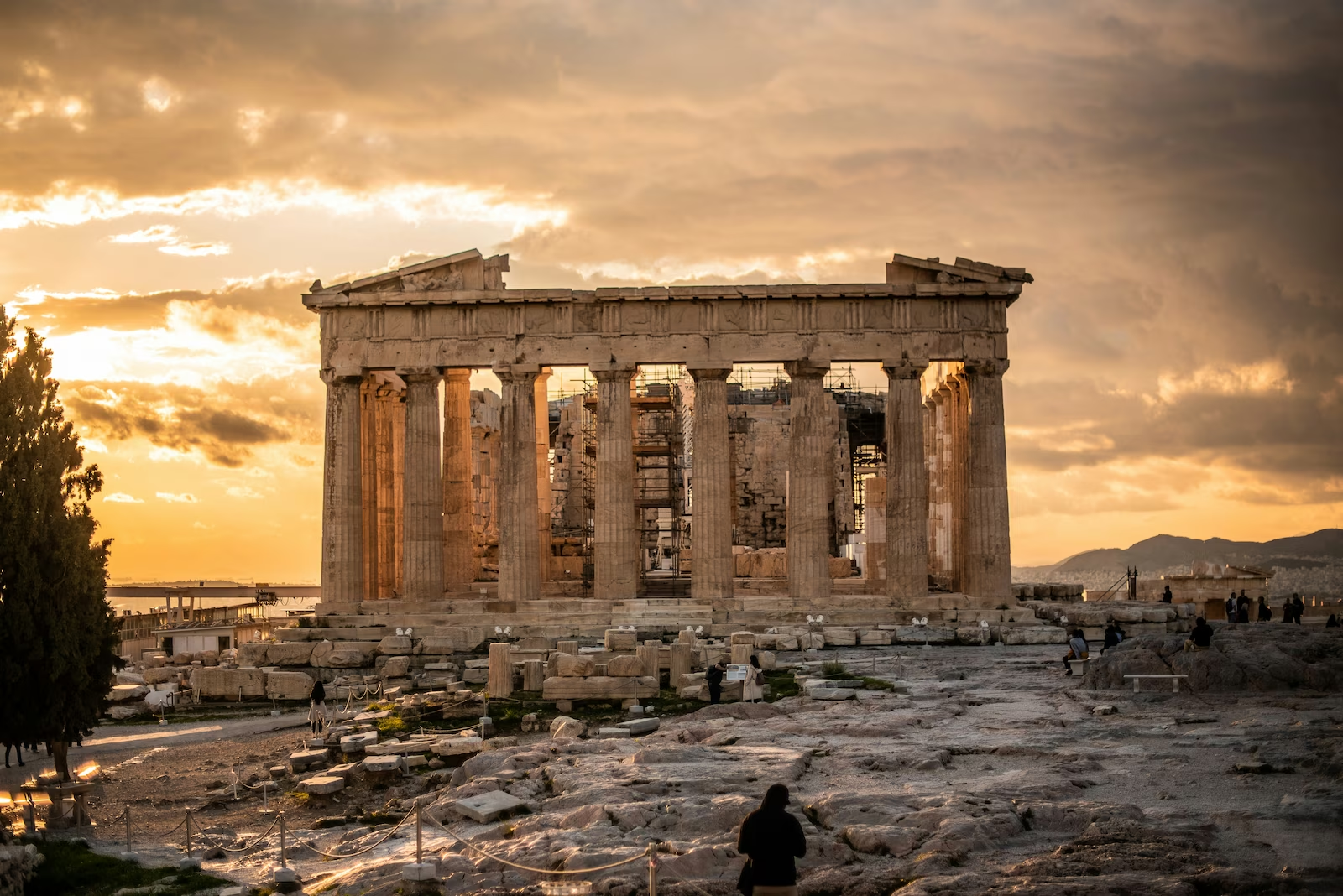
Winter is the ideal time to explore ancient Athens, as you can visit the Acropolis and other major sites without the crowds and queues. Key attractions like the Acropolis Museum also extend their hours, allowing for more flexible exploration. The city itself remains vibrant, with heated tavernas and cafes creating a cozy social scene. From early December, a festive spirit takes over, marked by Christmas markets and decorations, culminating in major winter sales in January.
Thessaloniki
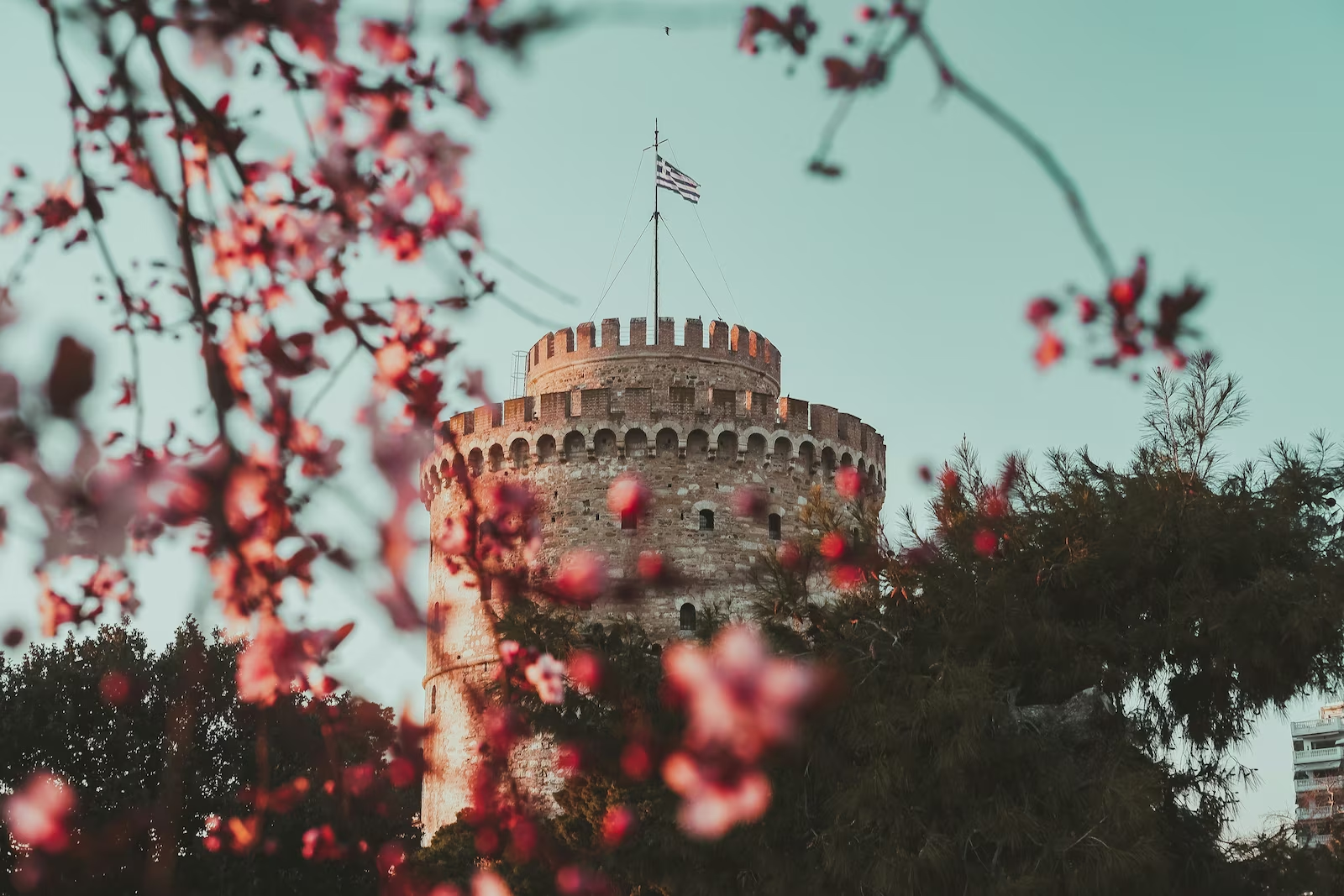
Thessaloniki shines in winter, offering a perfect blend of history and gastronomy without the summer heat. Explore iconic sites like the White Tower and Roman Agora comfortably, and appreciate UNESCO-listed Byzantine mosaics in peace. The city is also Greece's culinary capital, and the cool weather is ideal for savoring hearty comfort food in the vibrant Ladadika district or exploring the bustling Modiano Market for local specialties.
Crete
With its mild winter climate, Crete is perfect for cultural exploration and outdoor activities. You can visit famous sites like the Palace of Knossos and Chania's Old Town without the summer crowds and heat. It's also an ideal season for hiking, with the scenic Imbros Gorge remaining open for a beautiful trek through lush landscapes.
The Peloponnese
For a reliable winter trip, explore the Peloponnese. This mainland region is a short drive from Athens, avoiding ferry delays. The charming town of Nafplio offers coastal beauty, while nearby sites like the Ancient Theatre of Epidaurus and Mycenae provide rich history without the crowds.