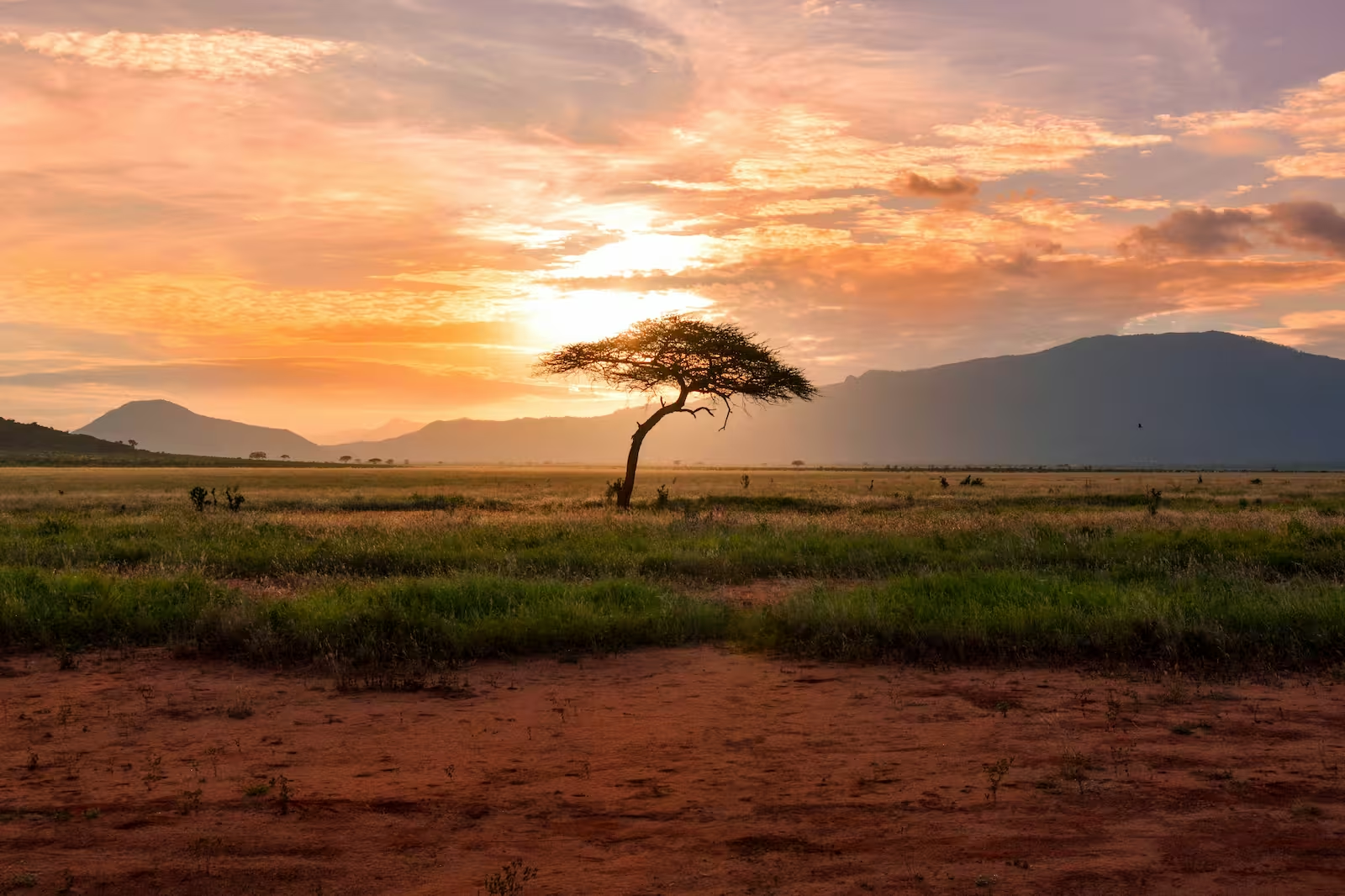
An Outback road trip takes a bit more planning than a normal drive. Distances are huge, fuel stations can be few and far between, mobile reception disappears for long stretches, and the nearest mechanic might be several hours away. That sounds intimidating, but it is also what makes travelling through the Australian Outback so memorable. The roads lead through red desert, rocky ranges, Aboriginal cultural sites, cattle stations and tiny settlements that barely register on a map. You can drive for hours without seeing another vehicle, then suddenly arrive at a pub, roadhouse or campsite that feels like the centre of the universe. The key is preparing properly. Once you understand the distances, road conditions and basic safety rules, an Outback road trip becomes much easier to manage.
Choose Your Outback Route Carefully
There is no single Australian Outback route. The region covers a huge part of the country, so your itinerary will depend heavily on how much time you have.
One of the classic routes is the drive between Alice Springs and Uluru-Kata Tjuta National Park. It gives you a taste of the Red Centre without requiring an enormous cross-country journey.
For a longer adventure, you could travel along the Stuart Highway, connecting Adelaide with Darwin through the heart of Australia. This route passes through Alice Springs and several remote communities and roadhouses.
Another option is the Great Central Road, which crosses remote Western Australia and connects the Northern Territory with Western Australia. This is a much more serious undertaking, with long unsealed sections and limited services.
For a first Outback trip, stick to a route that matches your driving experience and vehicle rather than choosing the most remote road simply because it looks adventurous on Instagram.
How Long Do You Need?
You can experience part of the Outback in a few days, but longer trips are much more enjoyable.
A week works for a focused Red Centre itinerary. Around 10–14 days gives you enough time to explore Alice Springs, Uluru, Kata Tjuta and several stops along the way without spending every day behind the wheel.
Crossing large sections of Australia takes considerably longer. Adelaide to Darwin, for example, covers thousands of kilometres, so allow plenty of time for stops and rest days.
The biggest mistake is underestimating driving distances. A road that looks like a short line on a map can represent an entire day's journey.
Alice Springs: A Natural Starting Point
Alice Springs is one of the main hubs for exploring Australia's Red Centre.
Spend at least a couple of days here before heading deeper into the Outback. You can visit galleries and cultural centres, explore the surrounding MacDonnell Ranges and stock up on food, water and supplies.
The town is also a practical place to check your vehicle before a longer drive. If you're renting a 4WD, make sure you understand the vehicle, spare tyres and recovery equipment before leaving.
From Alice Springs, you can head towards Uluru, explore the West MacDonnell Ranges or continue north and south along the Stuart Highway.
Uluru and Kata Tjuta
No Red Centre road trip is complete without visiting Uluru.
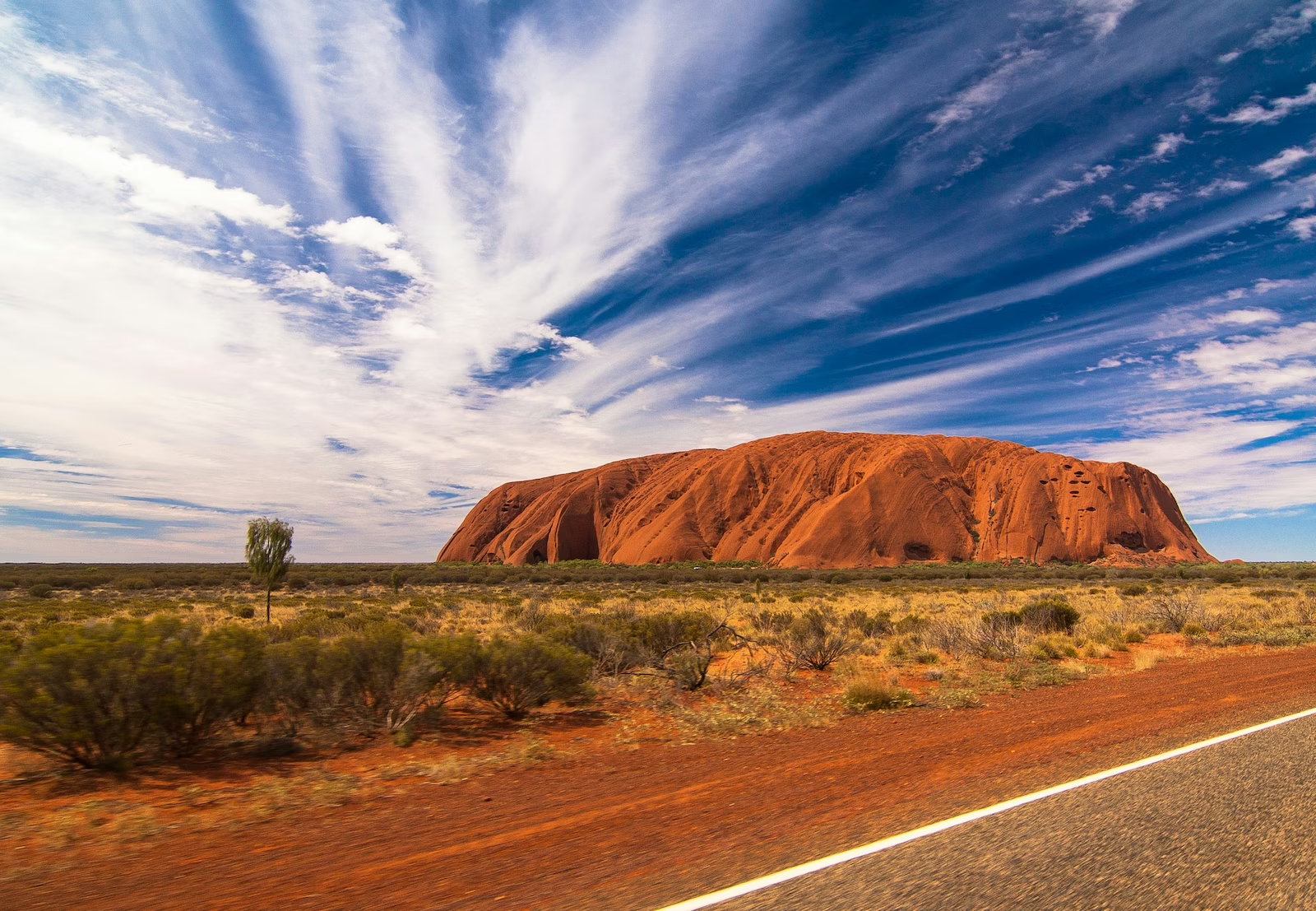
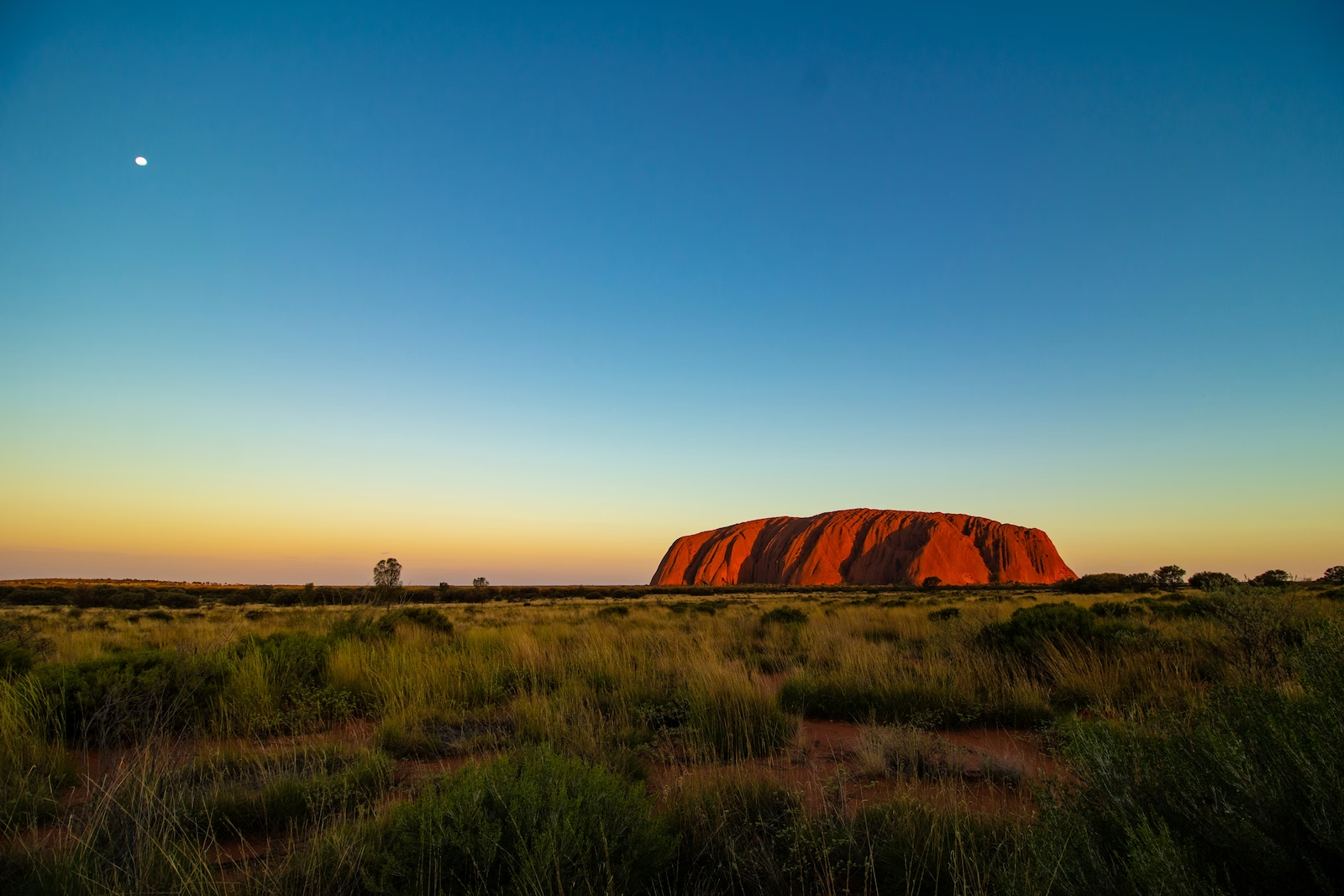
The enormous sandstone formation changes colour throughout the day, particularly around sunrise and sunset. The base walk is one of the best ways to appreciate its scale, while nearby Kata Tjuta offers a different landscape of rounded rock domes.
Remember that Uluru is a deeply significant Aboriginal cultural site. Climbing the rock has been permanently closed since 2019, and visitors are expected to respect the site's cultural significance.
Allow at least two days in the area so you're not racing in, taking one photo and immediately getting back in the car.
The MacDonnell Ranges
The West MacDonnell Ranges are an excellent addition to an Outback itinerary, particularly if you have extra time around Alice Springs.
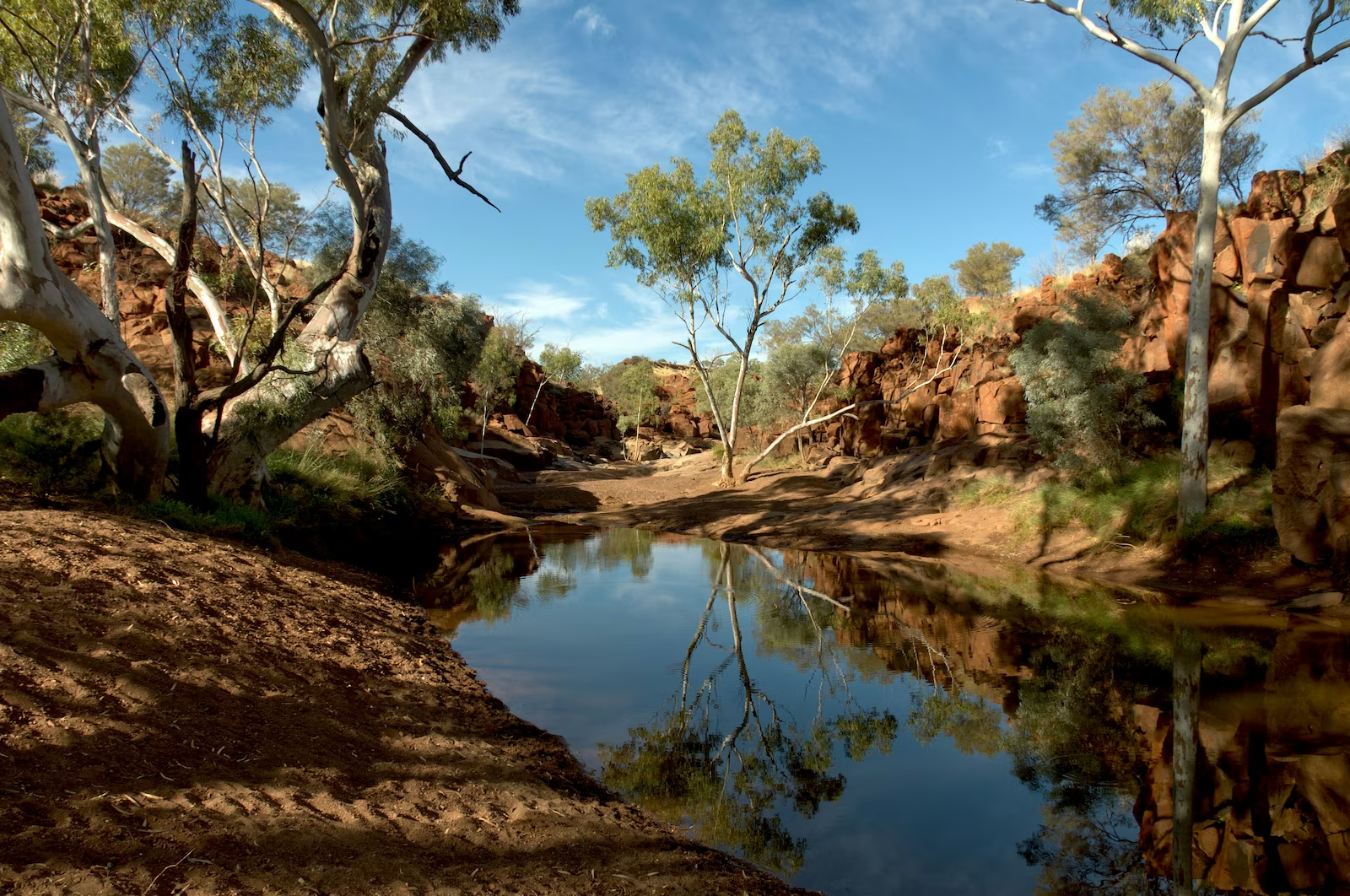
The range stretches west from town and contains swimming holes, gorges, walking trails and dramatic red-rock scenery.
Popular stops include Simpsons Gap, Standley Chasm and Ellery Creek Big Hole. Some are easy to reach in a normal vehicle, while others require more careful attention to road conditions.
The cooler months are particularly good for hiking because daytime temperatures are much more manageable.
Driving in the Australian Outback
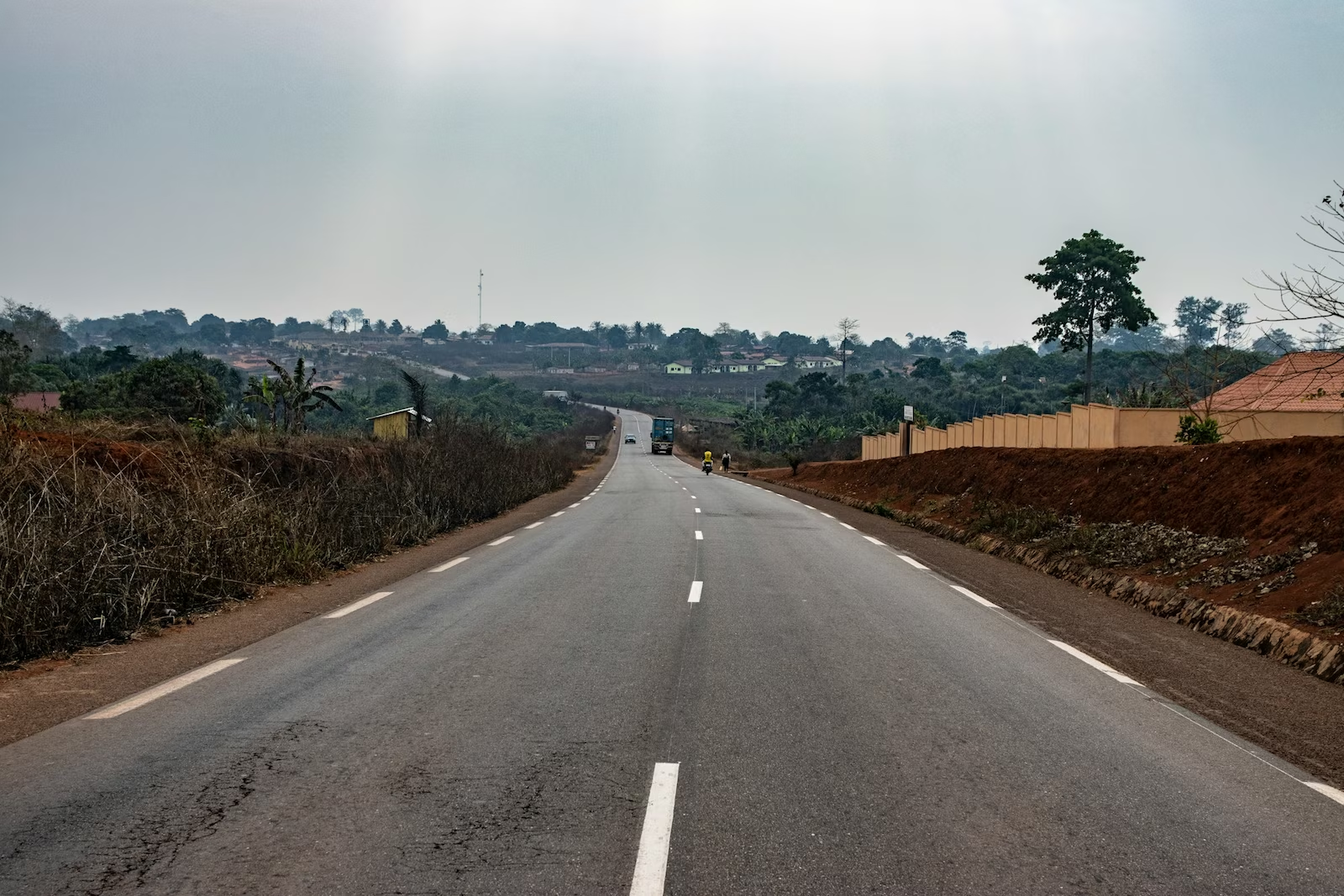
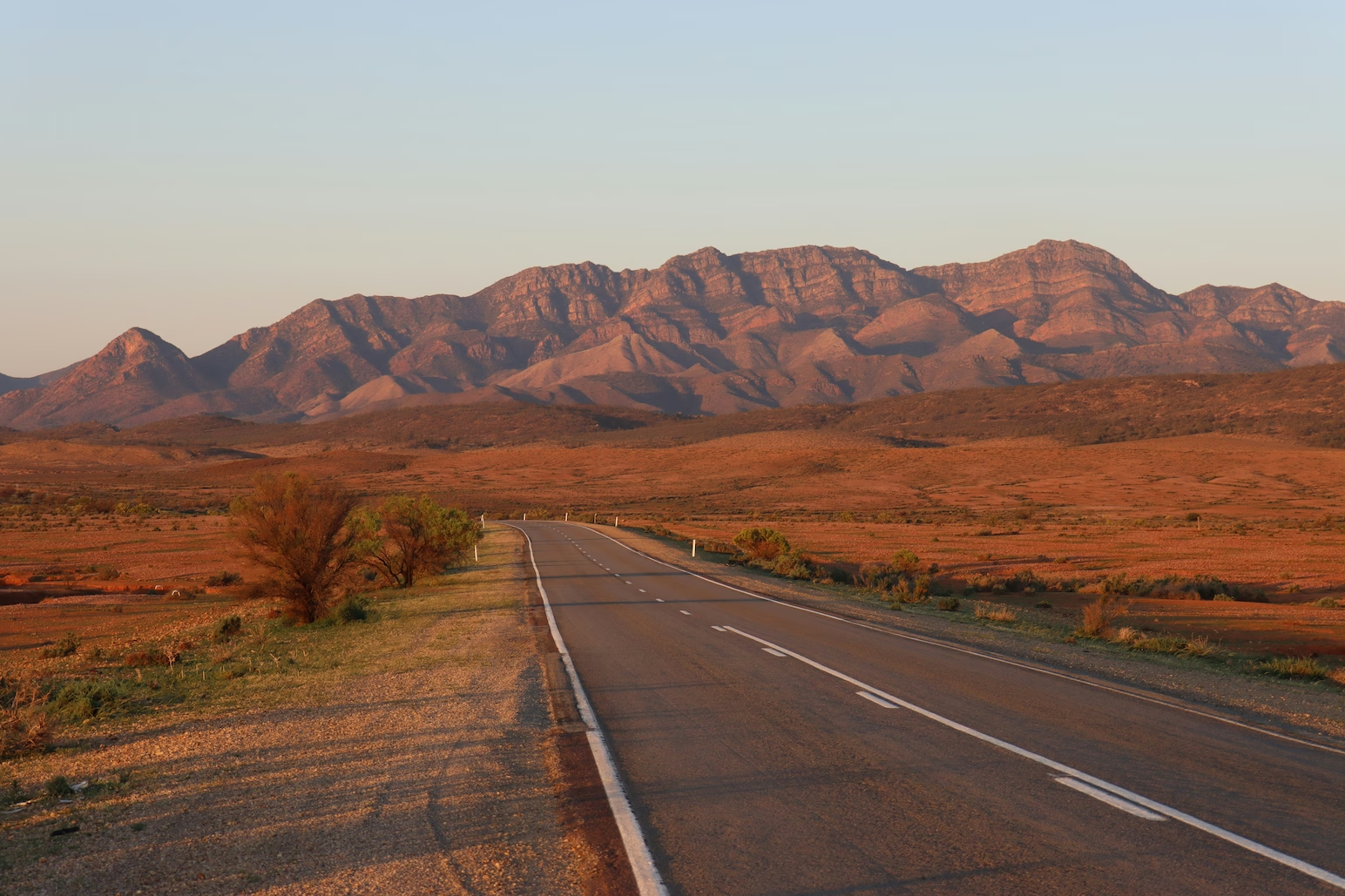
Driving in the Outback is generally straightforward on sealed highways, but the sheer distances create their own challenges.
Always check your fuel level before leaving a major town. Don't assume the next service station will be open simply because it appears on a map. Opening hours can change, and some remote fuel stops have limited facilities.
On long journeys, keep your speed sensible and take regular breaks. Fatigue is one of the biggest risks on remote roads.
Road trains are another part of Outback driving. These enormous trucks can be several trailers long and need plenty of space. When overtaking, wait for a safe opportunity and allow a large distance before moving back into the lane.
Do You Need a 4WD?
It depends entirely on your route.
If you're sticking to major sealed highways such as the Stuart Highway, a standard rental car may be sufficient. If you're planning to drive unsealed roads or remote tracks, a 4WD may be necessary.
Never assume that a 4WD makes every road safe. Sand, flooding, corrugations and mud can still create serious problems.
Check the road conditions before leaving and obey local closures. A road that was fine yesterday can become impassable after heavy rain.
Fuel and Food: Plan Further Ahead Than You Think
Remote driving requires a different approach to supplies.
Fill the tank whenever you have the opportunity, particularly before entering a long section without services. Carry extra drinking water and enough food to deal with an unexpected delay.
It's also worth having snacks in the vehicle even when you think you're only driving for a few hours. Outback journeys have a habit of taking longer than planned.
Don't rely entirely on supermarkets. In remote areas, shops can be small and supplies limited, while prices are often much higher than in major cities.
Where Should You Stay?
Accommodation varies enormously across the Outback.
Larger towns have hotels, motels and hostels, while remote areas may have roadhouses, station stays and campsites.
Camping gives you much more flexibility and lets you experience the night sky away from artificial light. If you're camping, check local fire restrictions and wildlife advice before setting up.
Roadhouses are particularly useful on long drives. They're places to refuel, eat, sleep and ask locals about current road conditions.
When Is the Best Time for an Outback Road Trip?
The cooler months are generally the most comfortable time to travel through central Australia. April through September offers more manageable daytime temperatures, although nights can become surprisingly cold.
Summer can bring extreme heat to the Red Centre, with temperatures regularly reaching uncomfortable levels. Some attractions and activities may also be affected by heat.
The wet season can create another set of problems, particularly on remote unsealed roads. Flooding can close roads with little warning.
Check conditions for the specific region you're visiting rather than relying on a single nationwide forecast.
Staying Safe in Remote Australia
The basic rule is simple: assume help may take a long time to arrive.
Tell someone your planned route before heading into a remote area and let them know when you expect to arrive. Carry enough water to deal with an unexpected breakdown and don't leave your vehicle casually if you're stranded in a remote location.
A satellite phone or satellite messaging device is worth considering for genuinely remote routes where there is no mobile coverage.
Download offline maps before leaving towns. Google Maps and other navigation apps can lose usefulness quickly once you're outside coverage areas, and road signs may be limited.
Wildlife is another reason to be cautious, particularly around dawn and dusk when kangaroos and other animals are more active. Avoid driving long distances at night where possible.
Respect Aboriginal Land and Communities
A road trip through the Outback often passes through Aboriginal lands and culturally important places.
Pay attention to signs, follow access rules and don't enter restricted areas. Some communities require permission to visit, while certain cultural sites have photography restrictions.
Taking the time to learn about the traditional owners of the land you're travelling through adds considerably more context to the journey.
What to Pack for an Outback Road Trip
Pack more water than you think you'll need, especially when travelling into remote areas. Sun protection is equally important, so bring sunscreen, sunglasses and a hat.
A basic first-aid kit, torch, offline maps, power banks and spare food should stay in the vehicle. For remote routes, additional recovery equipment and a second spare tyre may be appropriate depending on the vehicle and road.
Bring layers rather than assuming the Outback is always hot. Desert temperatures can drop significantly after sunset.
A rubbish bag is also essential. Take everything you bring into remote areas back out with you.
How Much Does an Australian Outback Road Trip Cost?
Your biggest expenses will usually be the vehicle, fuel and accommodation.
A basic road trip using a standard car and budget accommodation can be relatively manageable, while a 4WD with camping equipment and long stretches of remote driving will cost considerably more.
Fuel prices are often higher in remote areas, so don't compare your budget with what you'd spend driving around a major Australian city.
Camping can reduce accommodation costs significantly, although national park and campsite fees may still apply.


.avif)