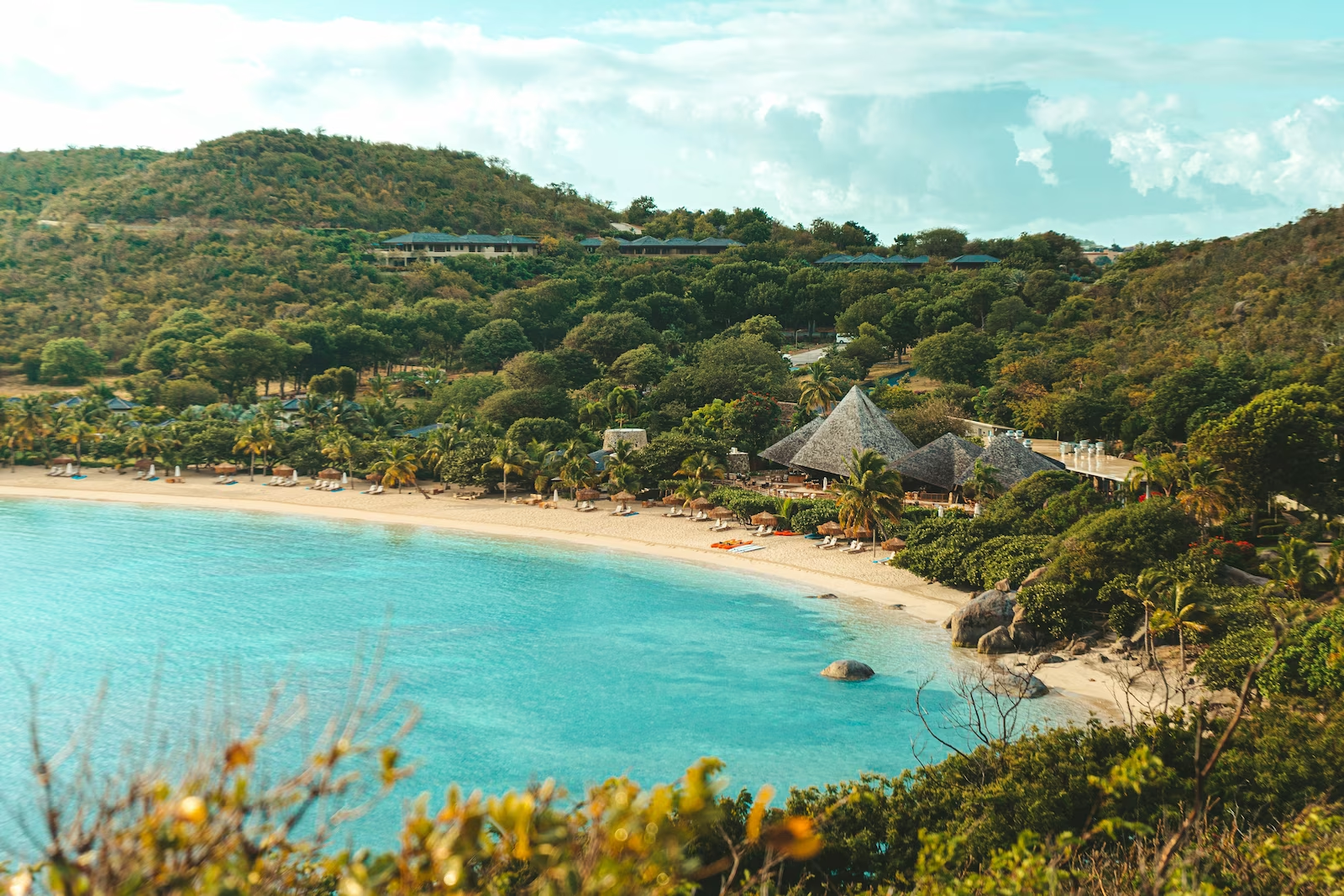
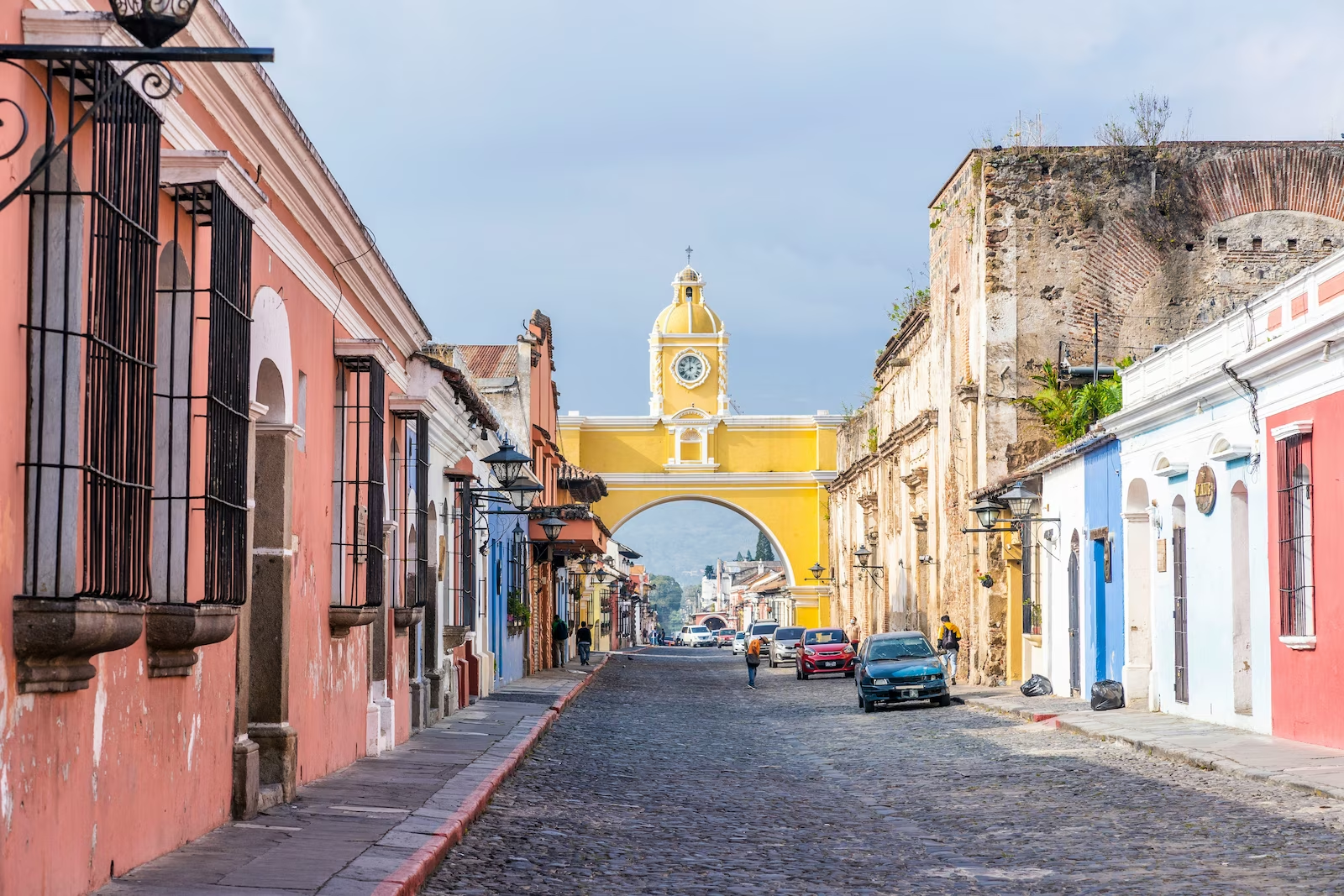
Europe is a great continent for kayaking because you can choose almost any kind of river experience you want. There are calm stretches through vineyards, fast-moving mountain rivers, wide waterways cutting through forests, and long routes where you can stop in villages along the way. Some of the best rivers in Europe are also surprisingly accessible. You don't need to be an expert kayaker to enjoy many of them, and in popular areas you can rent equipment and join guided trips without bringing your own boat halfway across the continent. The important thing is choosing the right river for your experience. A peaceful paddle through Slovenia is a very different proposition from tackling whitewater in the French Alps.
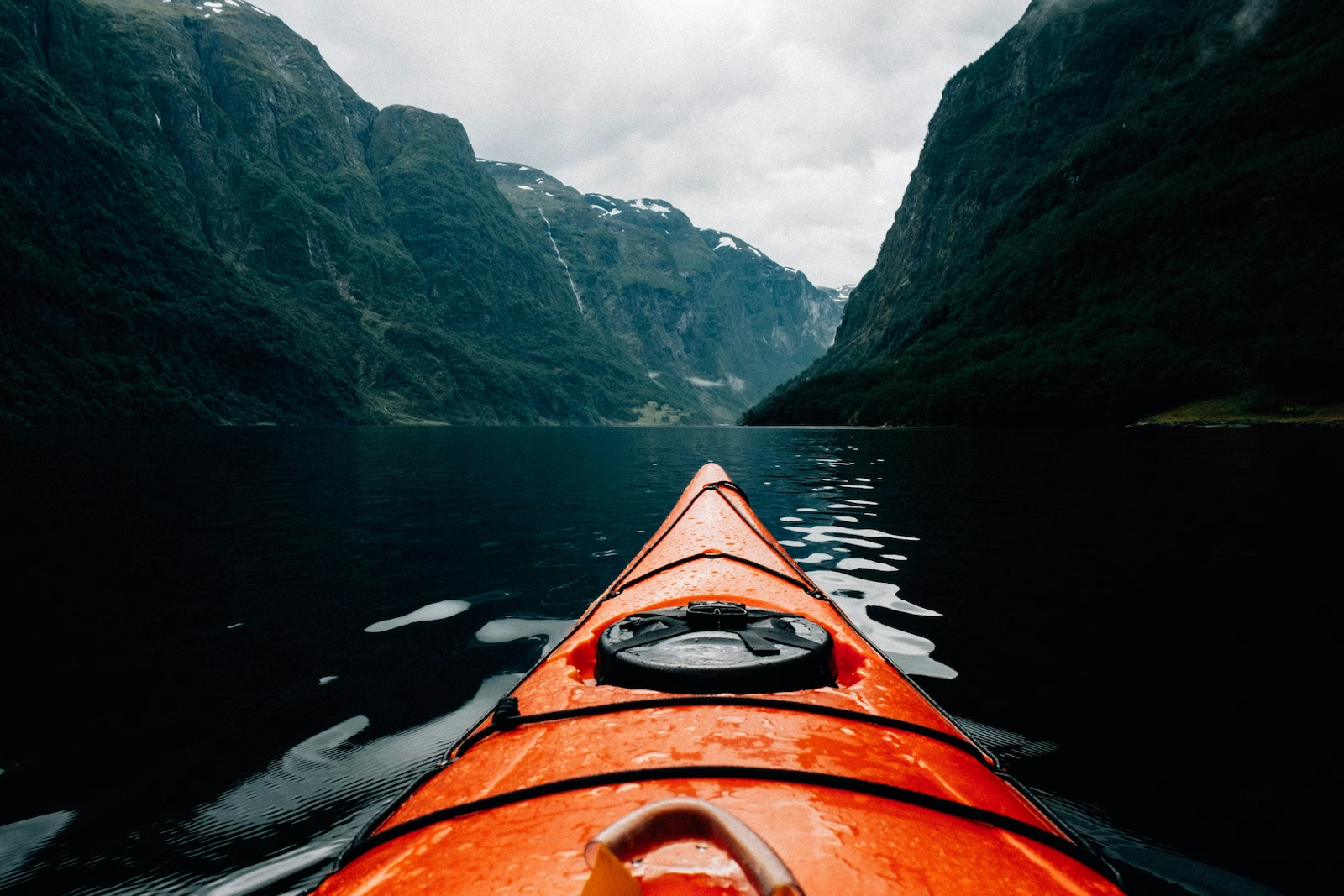
What Makes a Good River for Kayaking?
The best kayaking river depends heavily on what you're looking for. Beginners usually want relatively calm water, easy access and plenty of places to stop. More experienced paddlers may be looking for rapids, stronger currents and more technical sections.
Season matters too. Mountain rivers can change dramatically after snowmelt or heavy rain, while lowland rivers tend to be more predictable.
Water levels can determine whether a route is suitable at all, so always check local conditions before setting off.
For multi-day trips, the surrounding area matters just as much. A river running through interesting towns, villages or natural landscapes gives you plenty to do when you're out of the kayak.
The Soča River, Slovenia 🇸🇮
The Soča is one of Europe's most beautiful kayaking rivers, with remarkably clear turquoise water running through the Julian Alps.
The river passes through a spectacular landscape of mountains, forests and small villages, and there are sections suitable for different levels of experience. The upper Soča is faster and more technical, while sections further downstream can be easier for beginners with a guide.
The town of Bovec is the main base for kayaking and other outdoor activities. You'll find plenty of outfitters offering equipment rental and guided trips, so it's easy to organise a day on the water without arriving with a roof box full of gear.
Summer is the most popular season, although the river can be busy. If you're looking for quieter conditions, early or late in the main season can be a better choice.
The Dordogne River, France 🇫🇷
The Dordogne offers a completely different kind of kayaking experience. The river is generally calm, making it particularly appealing to beginners and families.
The scenery is the main attraction. You can paddle beneath limestone cliffs, past medieval castles and through some of the most attractive countryside in southwestern France. There are numerous places to stop along the river, including small villages and beaches where you can take a break.
A popular way to explore the Dordogne is to rent a kayak for the day and follow one of the established routes. Operators usually arrange transport back to your starting point, so you don't have to figure out how to get your kayak and yourself back afterward.
June through September is the easiest time for a relaxed trip, particularly if swimming and warm weather are part of the plan.
The Tara River, Montenegro 🇲🇪
The Tara River runs through Montenegro and the dramatic Durmitor region before eventually joining the Drina. It is particularly famous for its canyon, one of the deepest in Europe.
Rafting is more common here than kayaking, especially on the more challenging sections, but experienced paddlers can find opportunities for kayaking depending on water levels and local conditions.
The river is surrounded by mountains and thick forest, making the scenery a major part of the experience. The Tara is a good choice for adventurous travellers who want something wilder than a gentle day on a lake or lowland river.
For independent kayaking, local advice is essential. Conditions can change quickly, and some sections are far more demanding than they appear in photographs.
The Ardèche River, France 🇫🇷
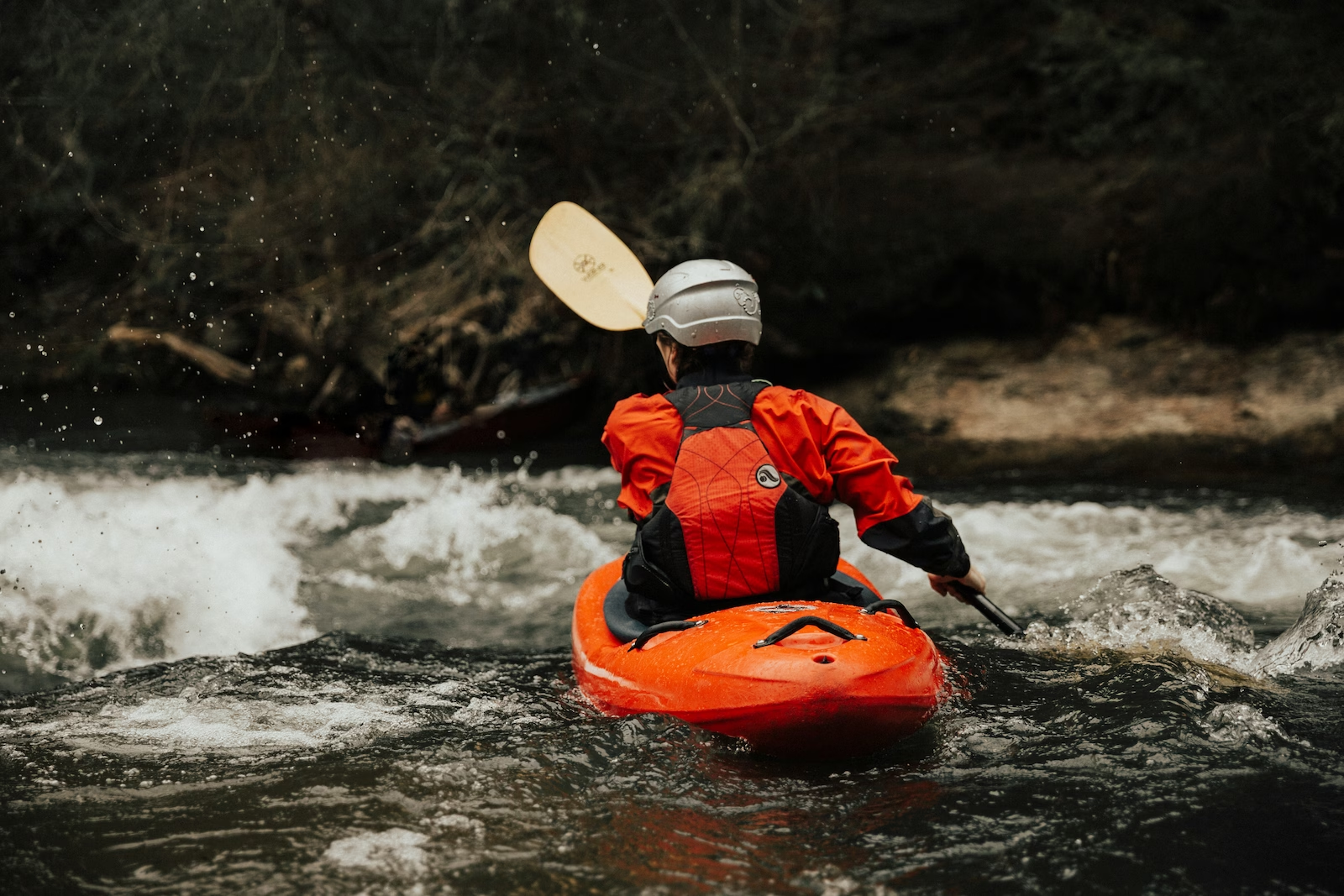
The Ardèche is one of France's classic recreational rivers, particularly around the famous Pont d'Arc.
The river cuts through limestone landscapes and narrow gorges, with beaches and picnic areas along the way. Several stretches are suitable for recreational kayaking, making this a popular option for travellers who want a full day outdoors without needing advanced paddling skills.
The section through the Ardèche Gorge is the highlight. You'll paddle beneath towering cliffs and eventually pass beneath the enormous natural arch of Pont d'Arc.
July and August bring the biggest crowds, so visiting in June or September can make the experience considerably more pleasant.
The Soca's Neighbour: The Kupa River, Croatia 🇭🇷
Croatia is usually associated with islands and beaches, but the country's rivers offer a quieter alternative.
The Kupa runs through the forested landscape of northern Croatia, with sections suitable for recreational kayaking and canoeing. The river is less internationally famous than the Soča, which is precisely why it can be appealing if you'd rather spend your day on the water without joining a convoy of tourists.
The surrounding Gorski Kotar region is heavily forested and has a cooler climate than the Croatian coast. It's a good place to combine kayaking with hiking and exploring small mountain communities.
The Rhine, Germany 🇩🇪
The Rhine is hardly an obscure river, but kayaking gives you a different perspective on one of Europe's major waterways.
The calmer sections around the Middle Rhine are particularly interesting because the river passes vineyards, castles and historic towns. Paddling here is less about wilderness and more about combining time on the water with sightseeing.
You'll need to pay attention to commercial shipping, especially on busier sections. Some areas are much better suited to experienced paddlers or organised tours than casual kayaking.
For a more relaxed trip, choose smaller stretches away from the busiest commercial traffic and check local rules before launching.
The Sava River, Slovenia and Croatia 🇸🇮🇭🇷
The Sava is one of the major rivers of southeastern Europe, flowing through Slovenia, Croatia, Bosnia and Herzegovina and Serbia before joining the Danube.
Its upper sections offer opportunities for kayaking in Slovenia, particularly around the country's mountainous northwest. As the river moves into lower, broader landscapes, it becomes a very different proposition.
The Sava is particularly interesting for travellers who want to combine kayaking with a longer overland trip through the Balkans. You can spend a few days paddling before continuing into Croatia or neighbouring countries.
Because the river crosses several borders, regulations and conditions vary considerably. Local operators are the safest option if you're unfamiliar with the area.
The Danube: Kayaking Across Europe
The Danube is one of the best rivers in Europe for a longer paddling adventure because of its sheer length and the number of countries it passes through.
You obviously won't kayak the entire river on a normal holiday, but individual sections can make excellent multi-day trips. The river passes through or near major cities including Vienna, Bratislava, Budapest and Belgrade, while other sections run through forests, wetlands and rural landscapes.
The Danube Delta in Romania is particularly interesting for wildlife. The river spreads into a huge network of channels and lakes before reaching the Black Sea, creating one of Europe's most important wetland environments.
For a first trip, choose a specific section rather than trying to turn the Danube into a months-long project.
The Nærøyfjord and Norwegian Fjords 🇳🇴
Norway isn't usually described in terms of rivers, but its waterways make for exceptional paddling. Sea kayaking around fjords is often more rewarding than river kayaking here, especially around the dramatic fjords of western Norway.
The water can be remarkably calm, while steep mountains rise directly from the shoreline. You can paddle past waterfalls, small farms and villages that are difficult to reach by road.
Fjord kayaking requires attention to weather and boat traffic, but guided trips are widely available and are a good option for visitors without experience in open water.
When Is the Best Time to Go Kayaking in Europe?
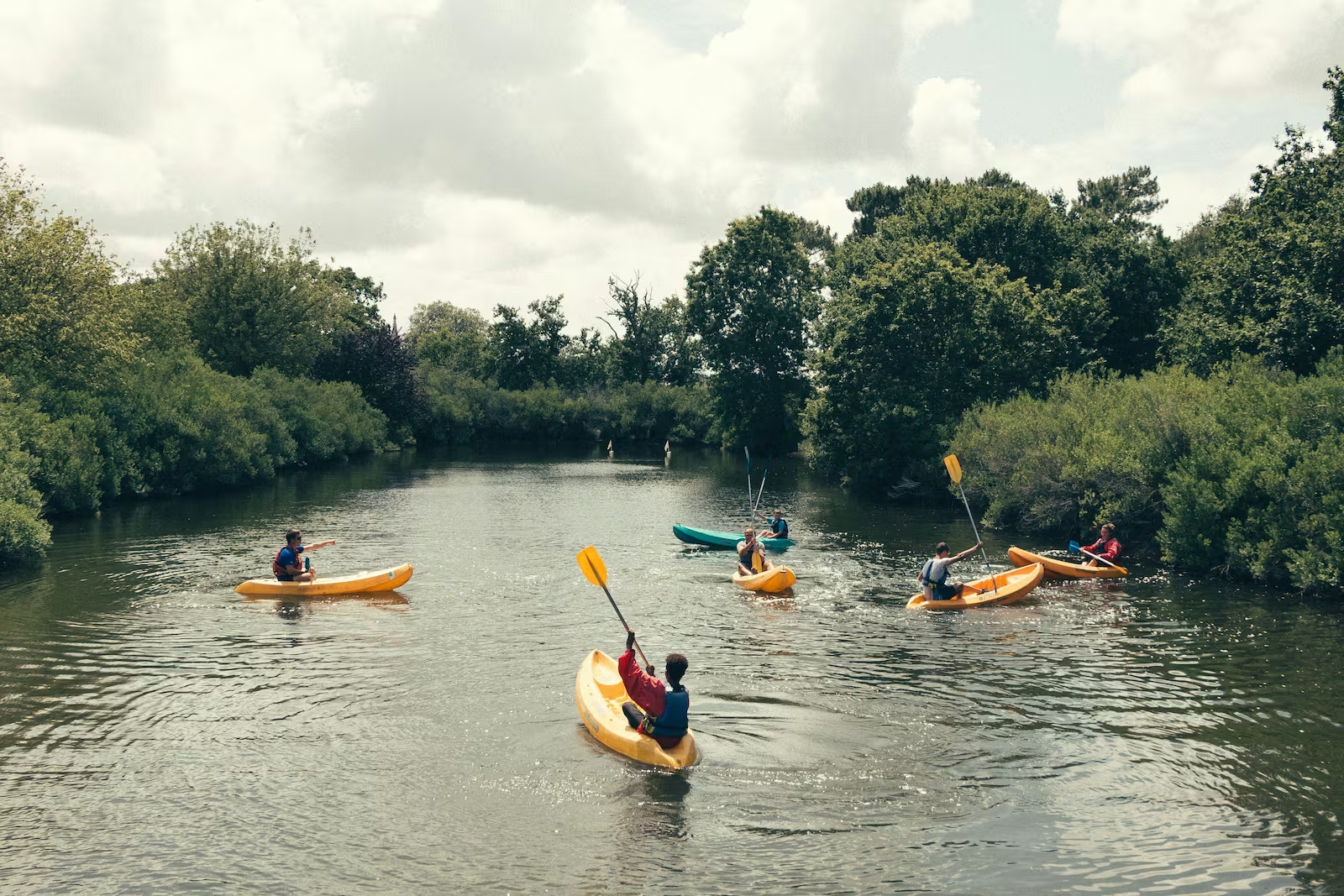
Late spring through early autumn is generally the most practical period for kayaking in Europe, but the ideal month depends on the river.
Mountain rivers are often strongest in late spring and early summer when snowmelt increases water levels. By late summer, some can become much calmer. This can be ideal for recreational paddling but unsuitable for whitewater routes that depend on higher flows.
For warmer-weather trips on rivers such as the Dordogne and Ardèche, June and September are particularly appealing. You'll generally get pleasant conditions without the full intensity of the July and August crowds.
Always check water levels and local weather before heading out. A river can look perfectly peaceful in a photograph and behave very differently after heavy rain.
Should You Rent a Kayak or Bring Your Own?
For most travellers, renting is the sensible option. Popular kayaking destinations have established operators with suitable boats, safety equipment and transport services.
Renting also means you don't have to deal with transporting a kayak between countries, which quickly turns a relaxing European road trip into a logistics exercise.
If you're planning a serious multi-day expedition, bringing your own equipment can make sense. For a day or weekend trip, however, local rental companies are usually much easier.
Staying Safe on Europe's Rivers
Even calm rivers deserve respect. Wear a properly fitted buoyancy aid, check the weather and water conditions, and understand the route before launching.
Cold water is another factor that catches people out. Air temperatures can be warm while mountain rivers remain extremely cold. On faster rivers, don't paddle alone unless you have the appropriate experience and safety equipment.
Guided trips are particularly worthwhile when you're dealing with whitewater, unfamiliar rivers or changing water levels. A local guide knows the hazards that aren't obvious from a map.




.avif)