Belize packs a lot into a small space. It is the only country in Central America where English is the official language, it sits beside the second largest barrier reef on the planet, and its coastline is dotted with hundreds of sandy islands called cayes. This article focuses on the Caribbean Coast, where most visitors spend their beach days.
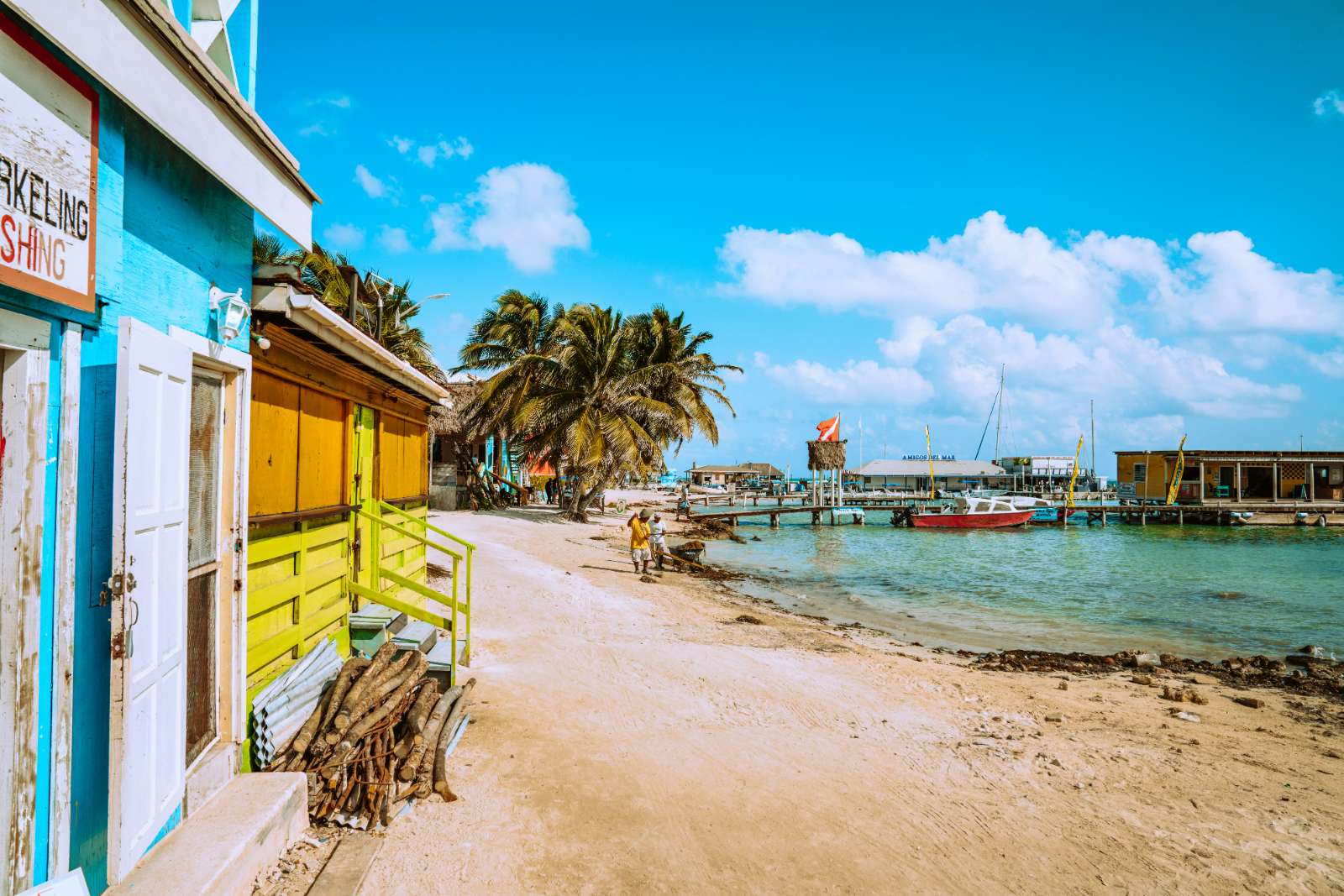
Why the Caribbean Coast Stands Out
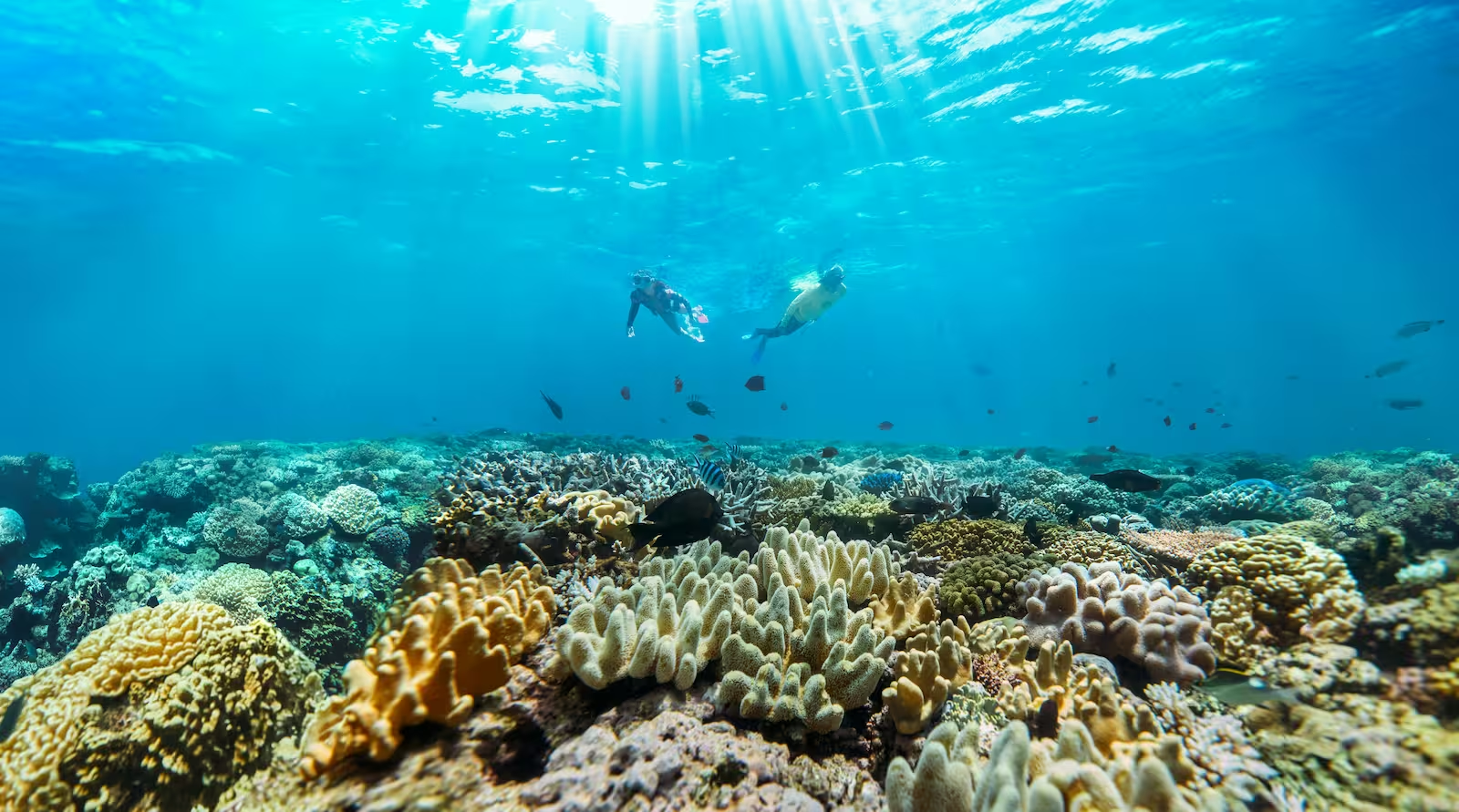
The headline attraction is the Belize Barrier Reef, which stretches for more than 180 miles along the Caribbean coast and forms part of the broader Mesoamerican Barrier Reef System. It is the second largest reef system in the world after Australia's Great Barrier Reef and the largest in the Northern Hemisphere.
The reef is rich with life. Well over 500 fish species have been recorded here, along with more than 65 species of coral, 350 types of mollusc, and around 247 varieties of marine flora. Sea turtles, rays, nurse sharks, and the West Indian manatee all call it home. For travellers, that means warm, clear water and easy access to marine life.
Things To Do in San Pedro, Belize
San Pedro is the only town on Ambergris Caye, the country's largest island. It is a lively, walkable place where golf carts outnumber cars, and it has been the country's tourism hub for years. Most visitors arrive by a short flight from Belize City or by water taxi, and the island's easy-going atmosphere makes it instantly comfortable.
Snorkelling and Diving at Hol Chan
The standout activity here is a trip to the Hol Chan Marine Reserve, about four miles south of San Pedro. Fish, rays, and turtles gather in large numbers along that channel, making it one of the most reliable snorkel spots anywhere in the Caribbean.

The Great Blue Hole
From San Pedro you can also reach the Great Blue Hole, a near-perfect circular sinkhole that sits inside Lighthouse Reef Atoll about 43 miles offshore. It is 1,043 feet across and 407 feet deep, and it was made famous by Jacques Cousteau, who brought his research vessel to chart it in 1971 and ranked it among the world's top dive sites. The descent is a deep, advanced dive best left to certified divers with experience.
Beaches, Golf Carts, and Town Life
Ambergris Caye is not famous for wide sandy beaches, since the reef sits close to shore and seagrass beds line much of the coast. The most popular sandy spot is Secret Beach on the calm western side of the island, about a 45-minute golf cart ride from town. Renting a golf cart to explore is half the fun. Back in town, the streets are full of dive shops, art galleries, and restaurants serving fresh seafood. From here it is also a short water taxi ride to Caye Caulker, San Pedro's smaller, slower sister island, where the local motto is simply "go slow."
Things To Do in Placencia, Belize
Down south, the Placencia Peninsula offers a different feel. This 16-mile strip of land has the Caribbean Sea on one side and a lagoon on the other, and it holds the best stretch of sandy beach on mainland Belize. Placencia Village sits at the southern tip and still carries the relaxed air of the fishing town it once was.
The Placencia Sidewalk
One of the village's quirks is its main street, a concrete footpath that is 4,071 feet long and just four feet wide, recognised by Guinness World Records as the narrowest main street in the world. It was originally built so villagers could move around without trudging through sand, and today it is lined with shops, cafes, bars, and craft stalls. It is a pleasant, easy way to get a feel for local life before heading out on the water.
Looking for affordable places to visit in the Caribbean? Check out our article on the 8 most affordable places to visit in the Carribean!
Island Hopping and Snorkelling near Placencia
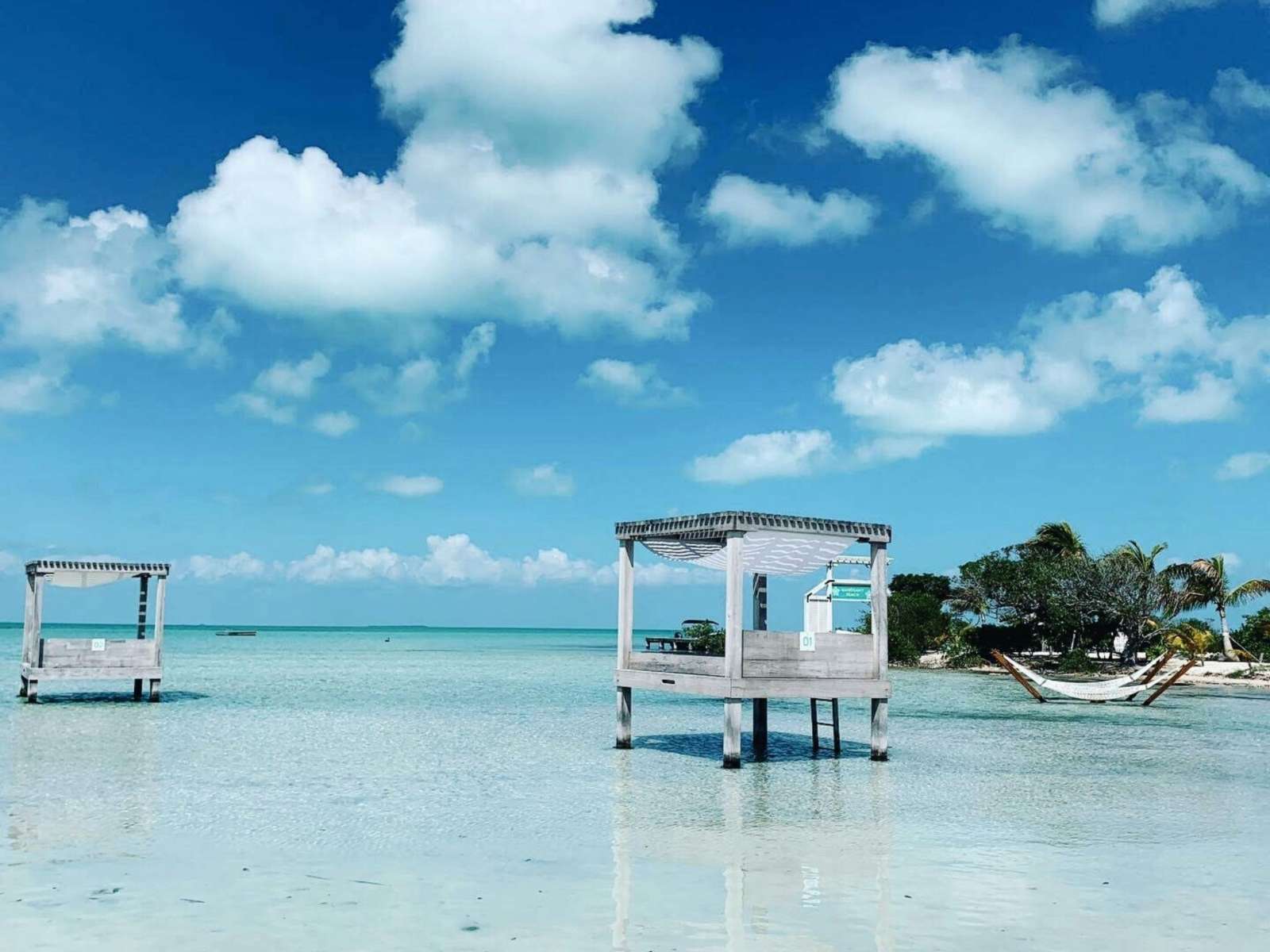
The things to do in Placencia Belize lean heavily on the water. Boats head out to a string of protected islands and reserves that are well worth the journey. Laughing Bird Caye National Park, about 11 miles offshore, is a tiny palm-dotted island sitting on a rare reef formation called a faro, with good snorkelling right off the beach. Further out, the Silk Cayes within the Gladden Spit and Silk Cayes Marine Reserve are postcard sandbars surrounded by clear water, and a nearby spot known as Turtle Alley delivers reliable sightings of sea turtles, nurse sharks, and rays. Most island-hopping tours include a beach barbecue lunch and several snorkel stops along the way.
Whale Sharks and Glover's Reef
Between roughly March and June, around the full moon, whale sharks gather at Gladden Spit to feed on the spawn of cubera and other snappers. Placencia is the main launch point for trips to swim alongside these huge but entirely harmless fish, the largest in the sea. Sightings are never guaranteed, so it pays to book more than one trip if your heart is set on it.
Wildlife on the Water
For a break from the reef, the Monkey River tour is a local classic. A boat takes you through coastal mangroves and up a jungle river where guides point out howler monkeys, crocodiles, iguanas, and a good variety of birds, with a stop to look for manatees on the way back. The calm lagoon waters around the peninsula are also well suited to kayaking and paddleboarding, and the fishing for tarpon, permit, and bonefish is some of the best in the country.

Food and Culture
Belizean food is a blend of Creole, Maya, Mestizo, and Garifuna traditions. The unofficial national dish is rice and beans cooked in coconut milk, usually served with stewed chicken, fried plantains, and potato salad or coleslaw. Along the coast you will find plenty of fresh seafood, conch, and lobster. Lobster has a regulated season that opens in June and is celebrated with festivals in Placencia, Caye Caulker, and San Pedro, all of which are worth timing a visit around if you get the chance.
The southern coast is the heart of Garifuna culture, a community descended from West African and Indigenous Caribbean peoples. Their drumming, dance, and coconut-based dishes, like hudut, a fish and plantain stew, are central to the region's identity.
Best Season To Visit Belize
The best season to visit Belize is the dry season, which runs roughly from late November through April. These months bring sunny skies, calmer seas, and the clearest water for snorkelling and diving, which is also why they draw the most visitors and come with the highest prices. The wet season runs from June to November, with the heaviest rain falling in September and October, and this period overlaps with the Atlantic hurricane season.
Rain in the wet season often arrives in short afternoon bursts rather than all-day downpours, so shoulder months like May and November can be a smart choice, offering decent weather, fewer crowds, and lower rates. If swimming with whale sharks is the main goal, aim for the March to June window, when conditions at Gladden Spit are at their peak.




.avif)