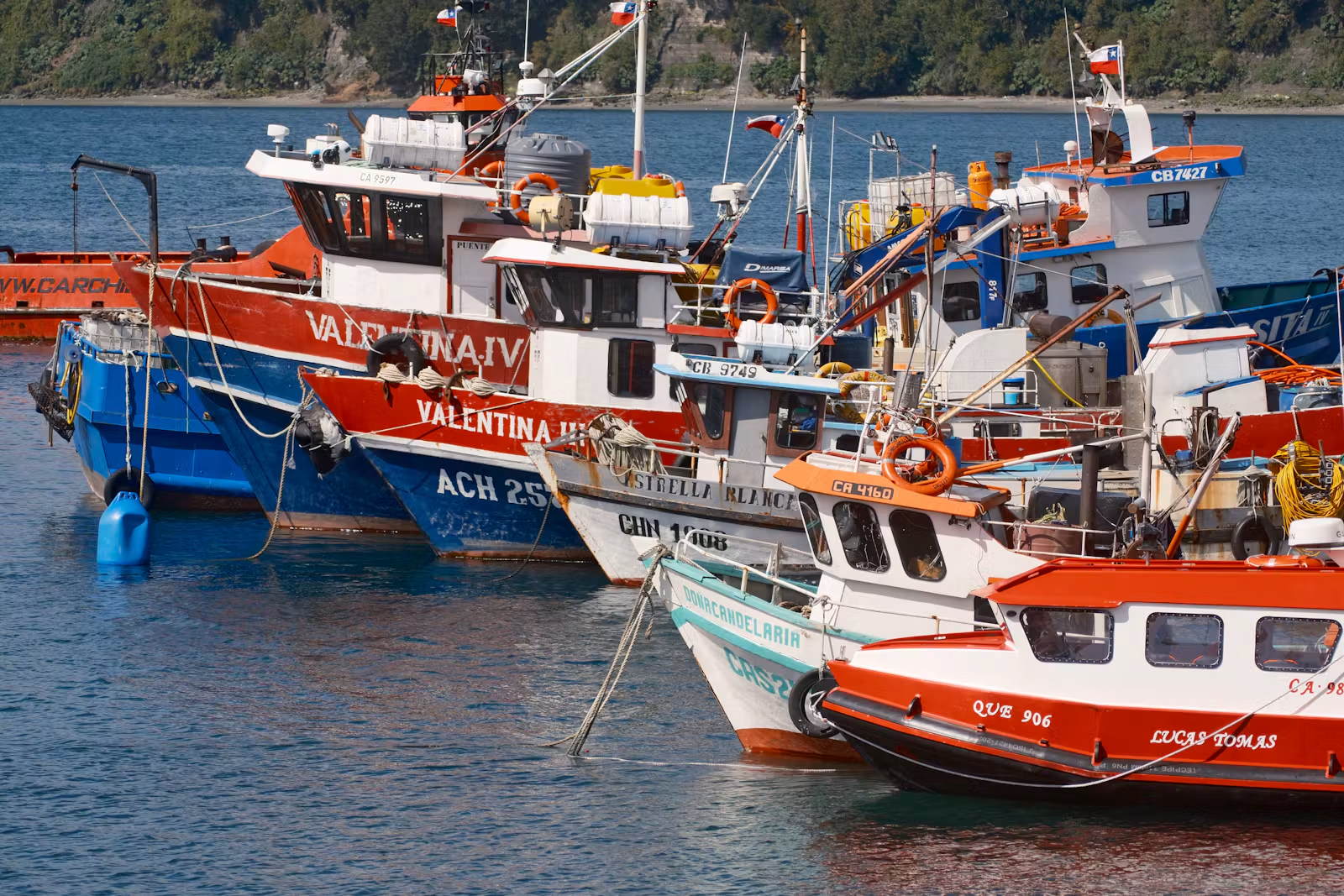
On Chiloé Island, the water is rarely far away. Fishing boats crowd the harbours, houses stand on stilts above the shore and the next village may be reached by a ferry. Stories travel along those same channels: of a ghost ship heard at night and a sea spirit tied to the fishing catch. Come for the folklore, but leave time for market lunches, wooden churches and a walk that ends with rain on your jacket.
Where is Chiloé, and what makes it different?
Chiloé is an archipelago in southern Chile’s Los Lagos Region. Most first-time visitors spend their time on Isla Grande de Chiloé, the main island south of Puerto Montt, with short trips to smaller islands nearby. Castro is a useful base: it gives you places to eat, transport connections and access to both the eastern villages and the road towards Cucao on the west coast.
Don’t mistake the island’s size on a map for quick travelling. A few stops, a ferry queue and a lunch that runs long can easily fill the day. Three full days gives you a good introduction; four or five lets you explore farther without moving every night.
The folklore: listen for the Caleuche
One of Chiloé’s best-known legends is the Caleuche, a phantom ship said to sail the channels at night, bright with lights and music. Another is La Pincoya, a sea spirit whose dance is associated with abundance or scarcity in the sea. Chile’s tourism board’s introduction to the island’s legends is a useful place to start.
These stories make more sense beside a working harbour than on a souvenir shelf. Ask a local guide how they were told in their family, and expect different versions. Folklore is one way into Chiloé’s culture, alongside the everyday skills of fishing, building in wood and cooking for a gathering.
Give Chiloé a few unhurried days. A harbour, a church and a long lunch can tell you more than a circuit of every famous stop.
Chiloé churches and Castro’s palafitos
Start in Castro with its palafitos, the colourful houses built on stilts along the water. Look from public viewpoints and streets, remembering that many are homes or businesses. The tide changes the view: water beneath the houses at one moment, exposed shore at another.
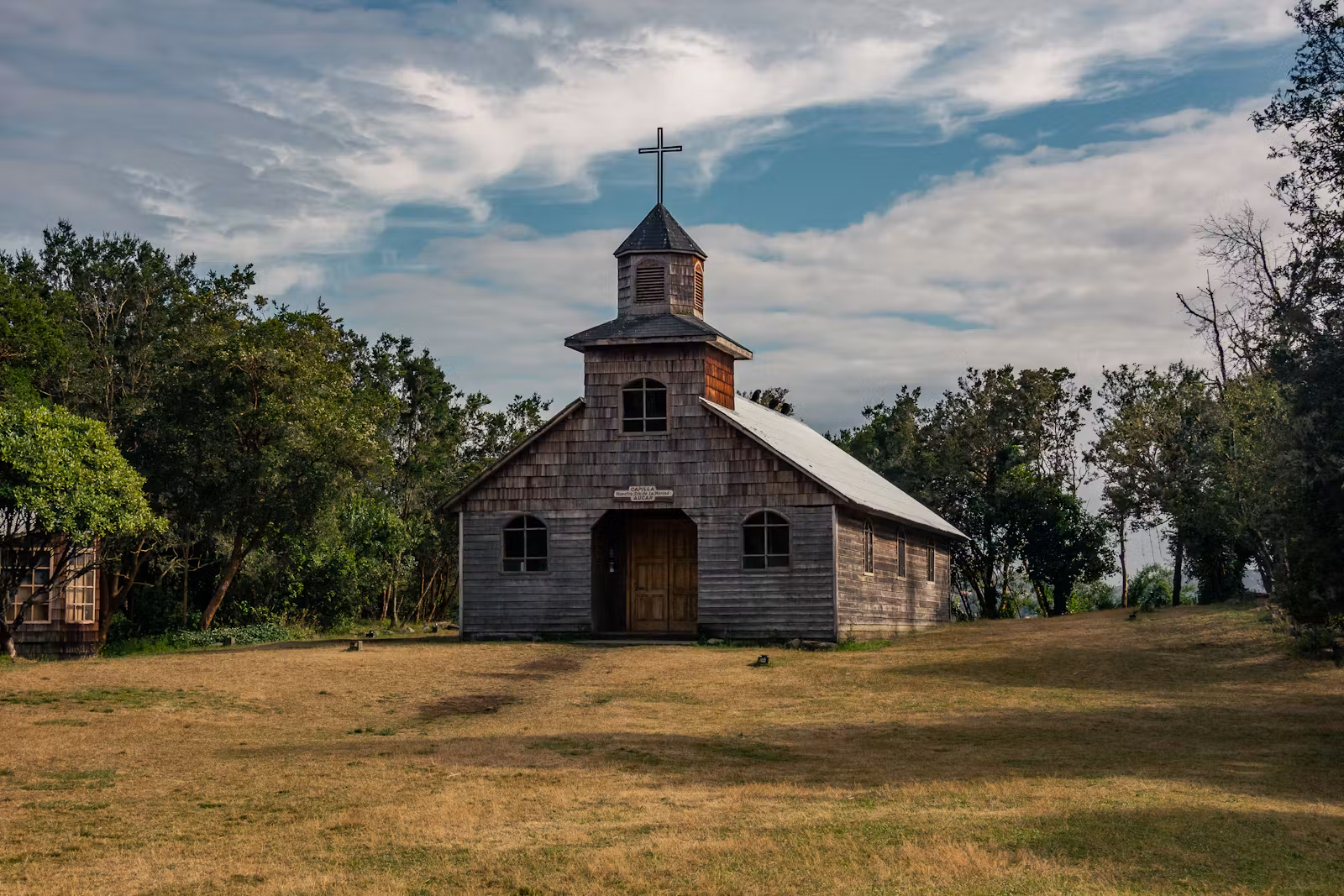
Then step away from the waterfront to see how much of the island’s architecture depends on wood. UNESCO recognises sixteen Churches of Chiloé, whose construction draws on local carpentry and boat-building knowledge. The listing covers specific churches across the archipelago, not every wooden chapel you see.
San Francisco in Castro and Nuestra Señora de los Dolores in Dalcahue make a manageable introduction. Check opening times locally rather than assuming you can enter whenever you arrive. These are places of worship; keep a visit quiet and respect services, photography rules and any restoration work.
Dalcahue: make lunch part of the day
Dalcahue is a good place to slow down around the waterfront, look at local crafts and try Chilote cooking. Don’t make a special journey solely for a particular stall without checking when it opens. The harbour and surrounding town give you a worthwhile stop even when the market is quieter.
Curanto is the dish to ask about: traditionally, shellfish, meat and potatoes are cooked over hot stones in an earth oven. A restaurant serving a pot-cooked version is offering a different experience, so ask what’s being prepared and whether you need to book ahead. Seafood and potato-based dishes give you plenty to try without turning lunch into a hunt for one definitive meal.
If you want to add Quinchao Island, check the short ferry connection and the return before setting off. For a first visit, it’s better to see one or two places properly than keep adding churches and villages until you’re racing the last light.
Chiloé penguins: add a day for Puñihuil
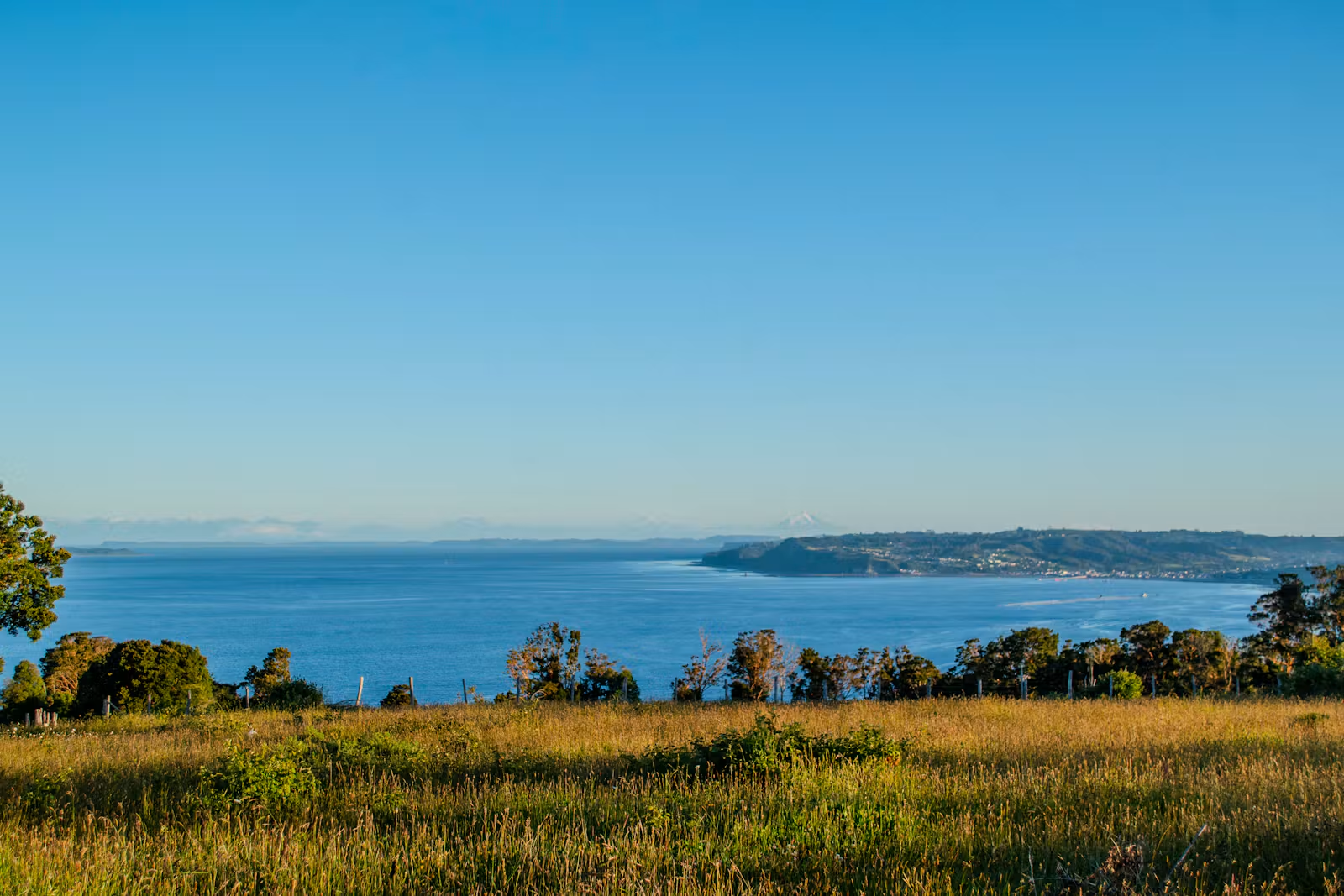
With a fourth day, consider Puñihuil on the northwest coast near Ancud. Its offshore islets support both Humboldt and Magellanic penguins. CONAF’s visitor information describes boat trips of around 30 minutes that circle the islets without landing. Check current wildlife conditions and departures locally, and keep the outing flexible around the weather.
Give the journey from Castro its own space in the itinerary rather than tacking it onto a full day in Cucao. Sightings aren’t guaranteed, and the best visit is one that leaves the birds undisturbed.
A three-day Chiloé itinerary
Day one: Castro. Arrive, settle in and spend the afternoon around the waterfront, palafitos and centre. Leave a proper gap for dinner rather than planning a long drive straight after travelling.
Day two: Dalcahue and the eastern villages. Combine the church, harbour and lunch. Add Quinchao only if the ferries and the time you want at each stop fit comfortably. With public transport, confirm the return bus before leaving Castro.
Day three: Cucao and the west coast. Use a decent-weather day for Chiloé National Park. Check the CONAF park page for current access, open trails and ticket arrangements. Pick a walk that suits your group and return before you’re tired. If heavy rain changes the plan, keep the day for food and culture instead of forcing an exposed outing.
This is a starting itinerary, not a promise to cover the whole island. For a wider southern-Chile journey, our Carretera Austral guide can help you think about the next leg. Check the actual onward route and any ferries separately.
Getting there and getting around
You can fly to Mocopulli Airport (MHC), near Castro and Dalcahue, if flights suit your dates. Another option is Puerto Montt (PMC), then a road journey and the Pargua–Chacao ferry. Transmarchilay describes the crossing as roughly 30 minutes, with vehicles boarding in order of arrival; allow extra time for the queue and the drive onwards.
A hire car gives you flexibility for rural stops. Compare the full cost, including ferry charges, fuel and rental conditions. Without one, base yourself near Castro’s services and combine buses with a locally arranged outing when connections are awkward. Ask your accommodation about the latest schedules.
When to go and what to bring
November to March is a useful planning window, especially for outdoor days; CONAF recommends those months for the national park. Rain is possible throughout the year. Bring waterproof layers, shoes with grip and spare dry clothes rather than packing only for Chile’s summer sun.
Carry some Chilean pesos for smaller purchases and keep offline maps available. For checking ferry updates or messaging your accommodation on the go, you can set up a Chile eSIM before travelling; keep those maps downloaded for stretches without a signal. Boat outings and exposed walks need room for a weather change. Save the places that interest you to your Skratch map, then leave enough room between them to stop when something catches your eye.