Strasbourg or Colmar? For a Christmas trip, the choice comes down to how you want to spend the hours between the markets. Strasbourg gives you a bigger city to explore, with a cathedral, canals and plenty of places to settle in for dinner. Colmar brings the half-timbered houses and decorated lanes closer together. Both can fill a weekend, and a short train journey makes it possible to enjoy one without giving up the other.
The quick verdict: which should you choose?
Choose Strasbourg for a first visit to Alsace if you want an easy rail arrival, varied sightseeing and enough to do when you need a break from the stalls. It’s the stronger base for a two- or three-night trip that includes both cities.
Choose Colmar if your priority is wandering a compact old town, taking photographs and staying out after the day-trippers leave. It suits a short, romantic break, provided you’re comfortable sharing those narrow lanes with a lot of other visitors.
Travelling after Christmas Day? Colmar has a clear advantage in 2026: its main markets continue after Strasbourg’s have closed. The exact dates matter more than the reputation of either destination.
Strasbourg: the bigger Christmas experience
The Strasbourg Christmas market is spread across the historic centre, so it feels like part of a whole-city outing. You can move between stalls, look up at the cathedral, stop for coffee and carry on towards the timber-framed houses and waterways of Petite France. Place Kléber and its tree give you another focal point after dark.
That variety is Strasbourg’s advantage. If your companion enjoys Christmas but doesn’t want two solid days of shopping, there’s room for a museum, a long lunch or a canal-side walk. It’s also easier to build a weekend without needing to leave the city centre.
The trade-off is scale. Allow more walking time than you might expect, especially when you stop repeatedly for photographs and food. Group nearby sights together rather than zigzagging across the centre. On a Saturday, an indoor reservation can be a welcome anchor between busy outdoor stretches.

Colmar: the more compact, storybook setting
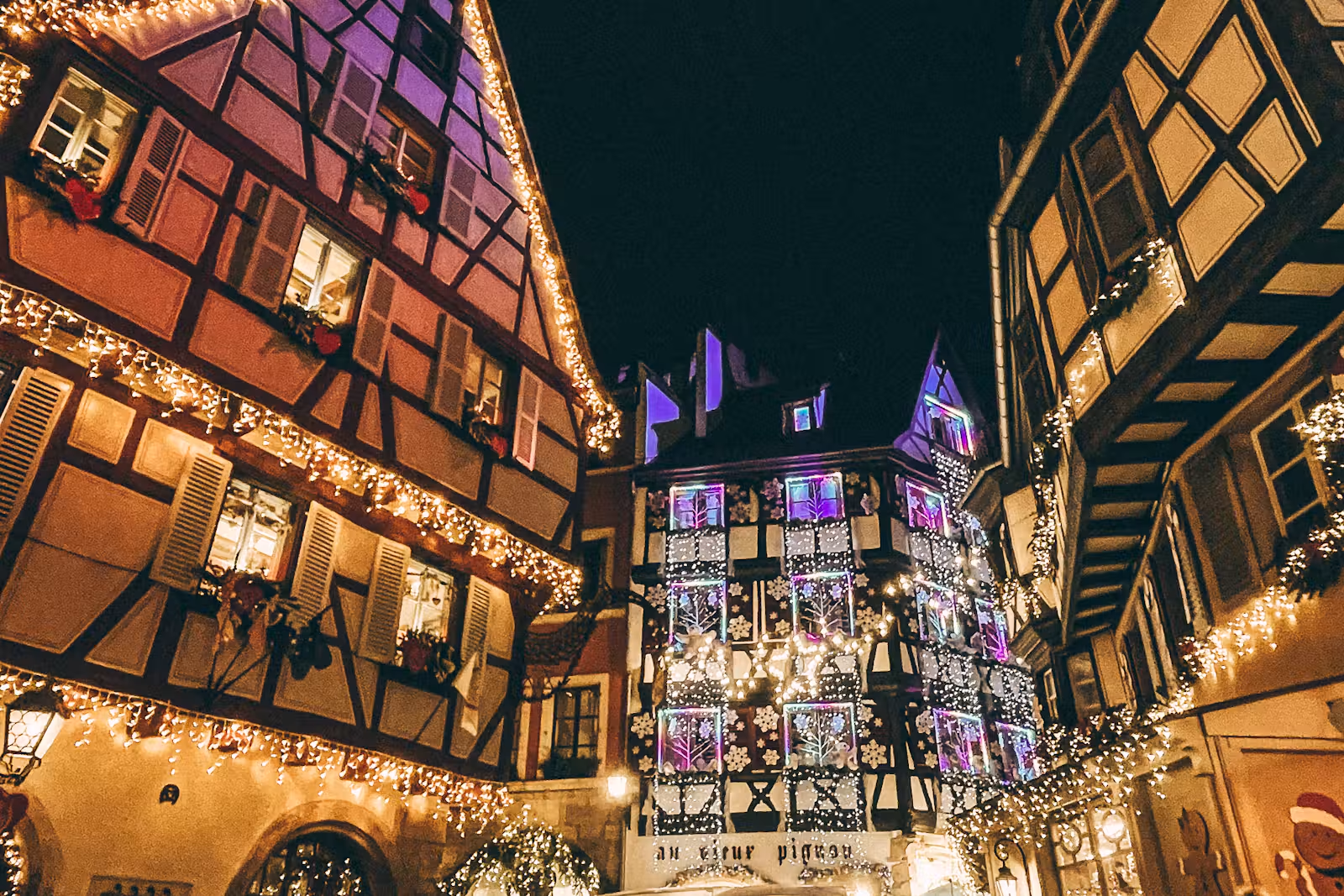
The Colmar Christmas market experience is spread across several smaller markets in the old town. You’re quickly among decorated façades, little squares and lanes that invite you to put the map away. Petite Venise adds the waterside view many visitors come hoping to see.
Choose it for atmosphere at walking pace. A morning looking at the buildings, a few hours browsing and an early dinner can make a satisfying day without a long list of attractions. Staying overnight lets you see the old town before the busiest arrivals and again after some visitors have gone home.
Compact doesn’t mean quiet. Narrow streets can feel crowded sooner than Strasbourg’s larger spaces, particularly on December weekends. If photographs are a priority, try daylight as well as the evening lights. You’ll see more of the architecture, and you won’t spend every shot waiting for a clear gap.
Dates: the deciding factor for a late-December trip
Strasbourg in 2026: the official visitor FAQ lists the main Christmas market from 27 November to 24 December. It explicitly says the stalls close on Christmas Eve and do not reopen on Christmas Day or continue through New Year. You can still visit the city afterwards, but don’t book expecting the main market.
Colmar in 2026: the official market calendar runs from 23 November to 29 December, with special holiday hours. That makes Colmar the better match for a market-focused stay between Christmas and New Year. Check individual hours before arranging dinner or a return train.
Dates and hours are year-specific. For the widest choice of both cities, plan before Christmas Eve and favour weekdays if you can.
Can you visit both? Strasbourg to Colmar by train
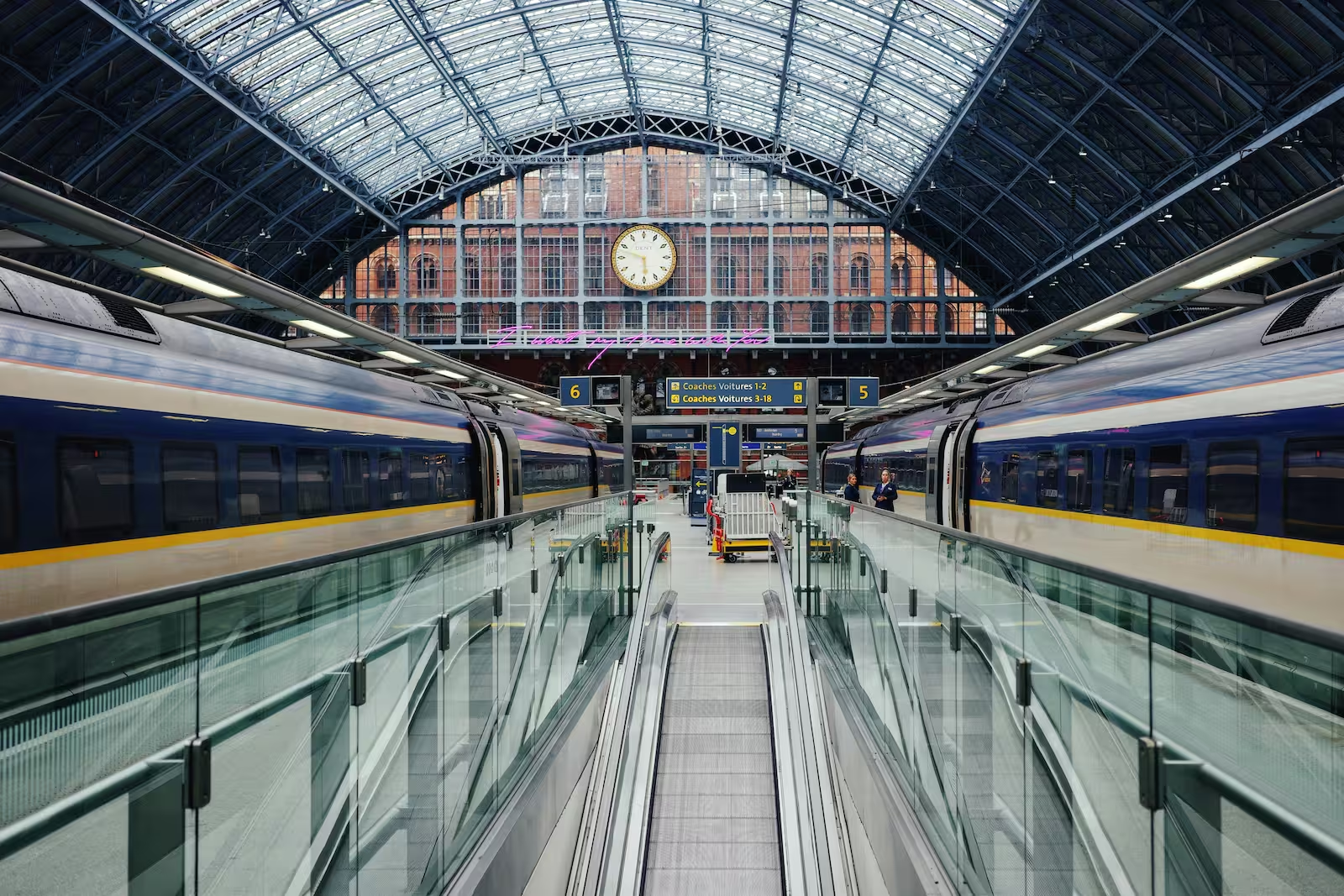
Yes, and you don’t need to change hotels. SNCF Connect puts the journey at around half an hour on many direct services. Check the train you intend to take rather than planning around the fastest possible time, and leave room for the walk between each station and the market area.
With two nights: stay in Strasbourg, spend your arrival evening and first full day there, then give Colmar most of your second day if departure timings allow. If your flight or train home is early, keep the final morning local instead.
With three nights: use one full day for each city. In Colmar, stay until the lights come on, then return to Strasbourg after checking the evening timetable. The journey is short enough that repacking and checking into a second hotel usually adds more effort than it saves.
Hotels, food and what to budget for
Neither city is automatically the cheaper choice in December. Compare the total for your actual dates: hotel, breakfast, local transport and any change in rail fare. In Strasbourg, accommodation near a useful tram route can be worth considering alongside rooms in the old centre. In Colmar, check the walking distance from both the station and the old town before choosing a cheaper room on the edge.
You don’t need a paid package to browse the markets. Most of your spending will be on accommodation, transport, food and anything you buy. Leave room for an Alsatian meal indoors: tarte flambée is an easy choice to share, while a bakery stop can break up a morning’s wandering. Reserve popular restaurants rather than relying on finding a table at peak dinner time.
If you want data for train times and restaurant bookings, you can arrange a France eSIM before arriving. Download the market maps too, so you can keep walking without checking your phone at every corner.
Our choice for a first Christmas weekend
We’d stay in Strasbourg and visit Colmar for a day. You get the bigger city’s transport and sightseeing options, plus an afternoon and evening among Colmar’s decorated streets. If you only want one compact place to settle into, or you’re travelling after Christmas Day in 2026, choose Colmar.
For more festive ideas, browse our guide to Christmas towns in Europe. Save your Alsace stops to your Skratch map, and leave enough time between them for a warm drink.