Paraguay and Uruguay don’t usually headline South American itineraries. People rush for Brazil’s beaches, Peru’s mountains, Colombia’s nightlife, Argentina’s steaks, and Chile’s deserts – then look shocked when they realise there’s an entire world tucked between and around them. Travellers who do visit Paraguay or Uruguay usually return with the same reaction: Why is nobody talking about these places? Both countries offer calm, character, and culture without the crowds, making them perfect for a trip that feels genuinely different. If you’re searching for destinations that are still under the radar yet full of personality, this guide breaks down the real differences between Paraguay and Uruguay and what makes each worth exploring.
Paraguay: quiet, warm, and deeply local
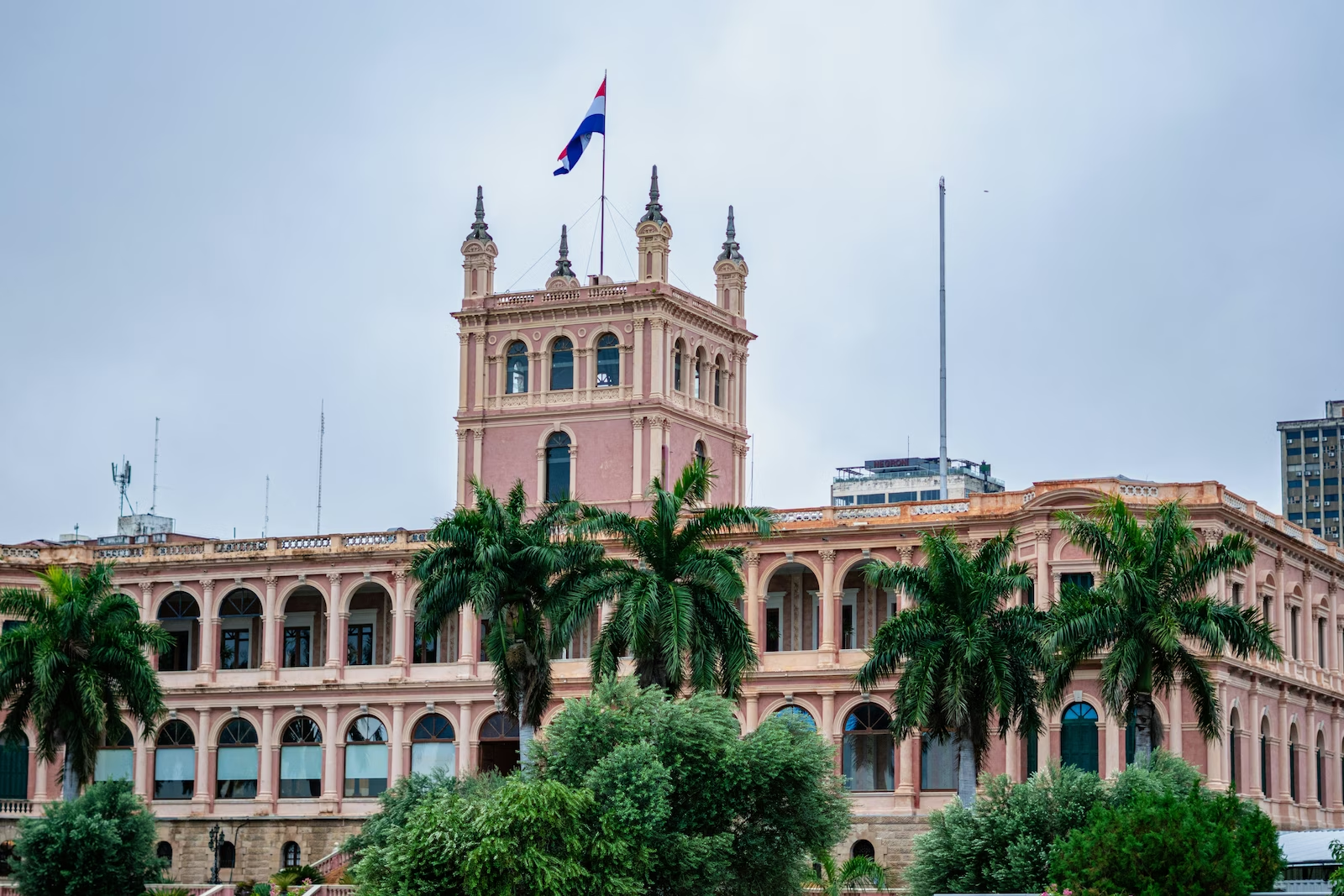
Paraguay is one of South America’s least visited countries, and that’s exactly why so many travellers love it. The pace is slow, the people are welcoming, and there’s a friendly normality to everyday life that feels refreshing when you’ve been on the road for a while. Asunción, the capital, mixes traditional markets with riverfront promenades and a surprisingly lively arts scene. It’s the sort of city where you drift from cafés to museums to mellow bars without feeling the slightest rush.
Beyond the capital, Paraguay gets even more interesting. The Jesuit Mission ruins are genuinely impressive, and the Chaco region offers remote landscapes and wildlife you won’t find elsewhere. It’s also one of the few countries in Latin America where you’ll hear Guaraní spoken daily. The bilingual cultural identity adds a layer of depth to even the simplest interactions, and travellers who appreciate language, anthropology, or local history usually find Paraguay fascinating.
Paraguay works best for travellers who value authenticity over spectacle – those moments when you sit in a plaza sipping tereré and realise you’re experiencing a real slice of the country, not a curated version of it.

Uruguay: beaches, culture, and wine
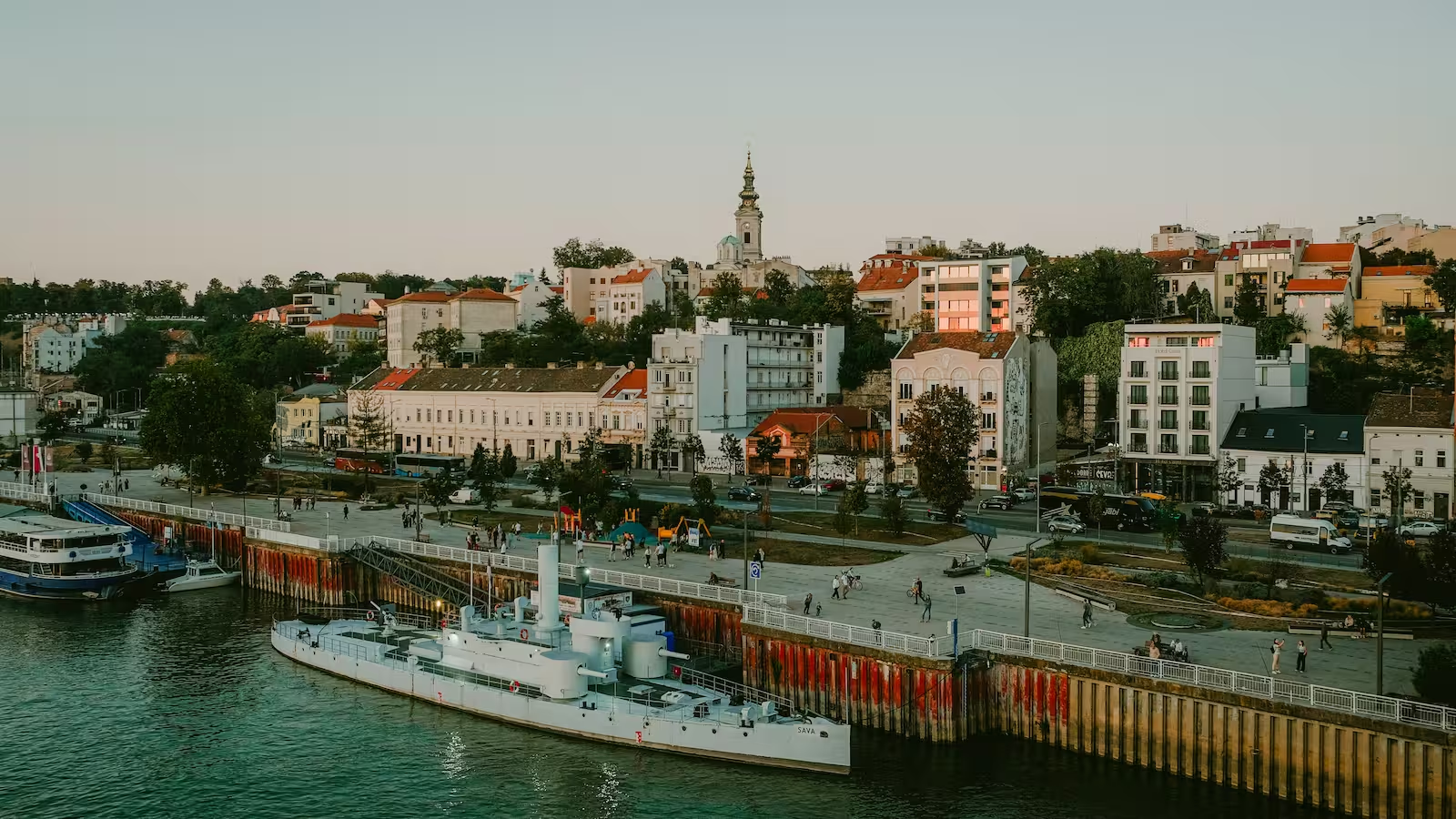
Uruguay is tiny, peaceful, and quietly confident. It doesn’t need to shout to impress you. Montevideo blends European influence with laid-back coastal energy, and its rambla is one of the best urban waterfronts in South America. Walk along it at sunset and you’ll understand exactly why locals love their city as much as they do.
The country really shines along the coast. Punta del Este is famous for its beaches, nightlife, and high-end summer scene, but keep going east and the vibe shifts into something softer. José Ignacio delivers minimalist design and rustic luxury, Cabo Polonio has a windswept, no-cars-allowed simplicity, and the whole coastline feels like one long invitation to take life slower.
Uruguay’s wine region (especially around Carmelo and Canelones) is another surprise. Tannat is the star, and the vineyards welcome visitors in a relaxed, unpretentious way that makes day trips or overnight stays easy to plan. Add Colonia del Sacramento’s scenic old quarter, and you’ve got a country that’s small but incredibly rich in experiences.
Travellers who enjoy culture, calm beaches, good food, and a touch of elegance often end up wishing they’d planned more time here.
Paraguay or Uruguay: so, which one?
Paraguay leans into authenticity, warm connections, and slow travel. It’s ideal for travellers who want to understand a place through everyday life rather than grand attractions. Uruguay offers beaches, comfort, and a polished cultural experience that feels effortless and relaxing.
If your goal is to explore places untouched by mass tourism, Paraguay deserves your attention. If you’re dreaming of coastal days, great wine, and a gentle pace with plenty of comforts, Uruguay is the better fit. The best option is visiting both, of course: several travellers do exactly that and describe it as one of their most unexpected highlights in South America.
Planning a South American adventure? Stay connected on your trip with a Skratch eSIM, offering high speed internet by country or regional plans
.avif)