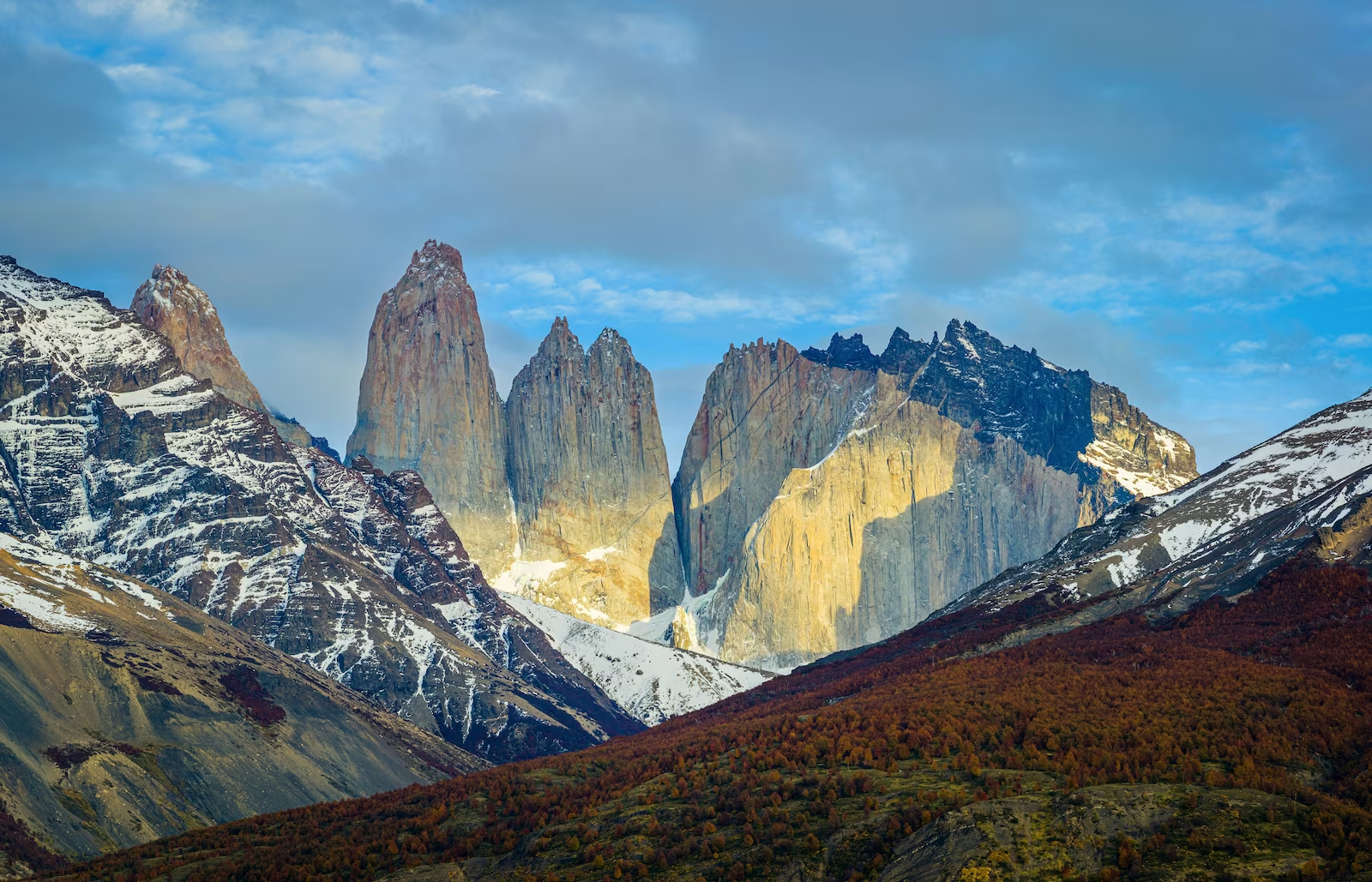
Christopher Nolan shot The Odyssey over 91 days across six countries, and almost everything you see on screen is a real place. This guide covers the main The Odyssey filming locations, what happened at each one, and what you need to know before you turn up.
Greece
The Greek shoot ran through March and April 2025 and centred on Messenia, in the southwestern corner of the Peloponnese.
Voidokilia Beach and Nestor's Cave
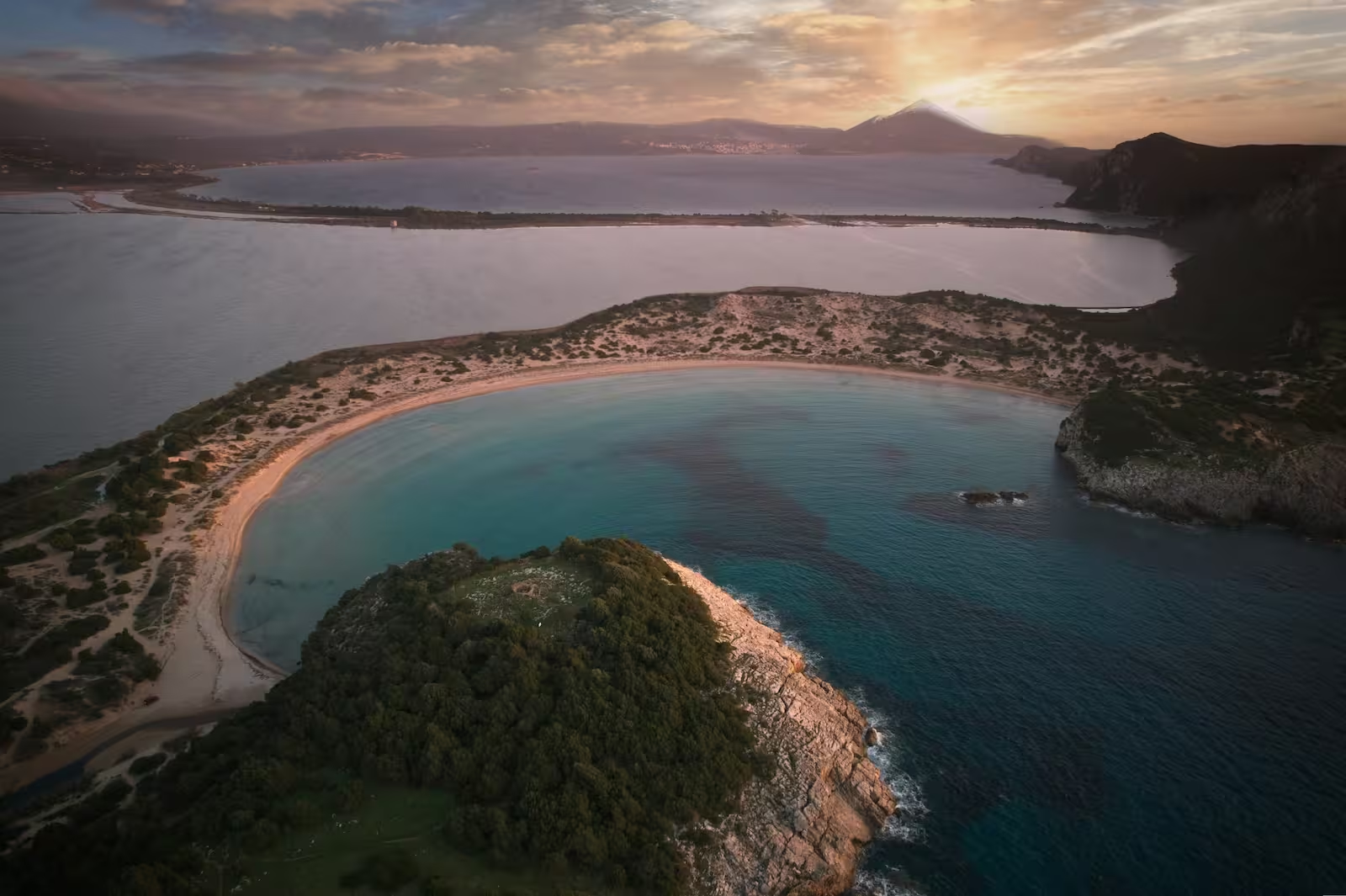
Voidokilia is a near-perfect horseshoe of sand near Pylos, and it plays the Island of the Cyclopes. Above it sits Nestor's Cave, where Odysseus and his men are trapped by Polyphemus. Rather than move indoors to a soundstage, the crew filmed the interior inside the actual chamber, which has been in human use since roughly 6000 BC. Local legend links it to Nestor, king of Pylos, who is said to have kept cattle there.
The catch is that the cave is not open to the public. You can reach the viewpoint on the headland by a marked path from the northern end of the beach, about 15 to 20 minutes uphill, but the entrance is only visible from a distance. The beach itself sits beside the Gialova lagoon, a protected wetland, so stick to the boardwalks rather than cutting across the dunes.
Methoni Castle
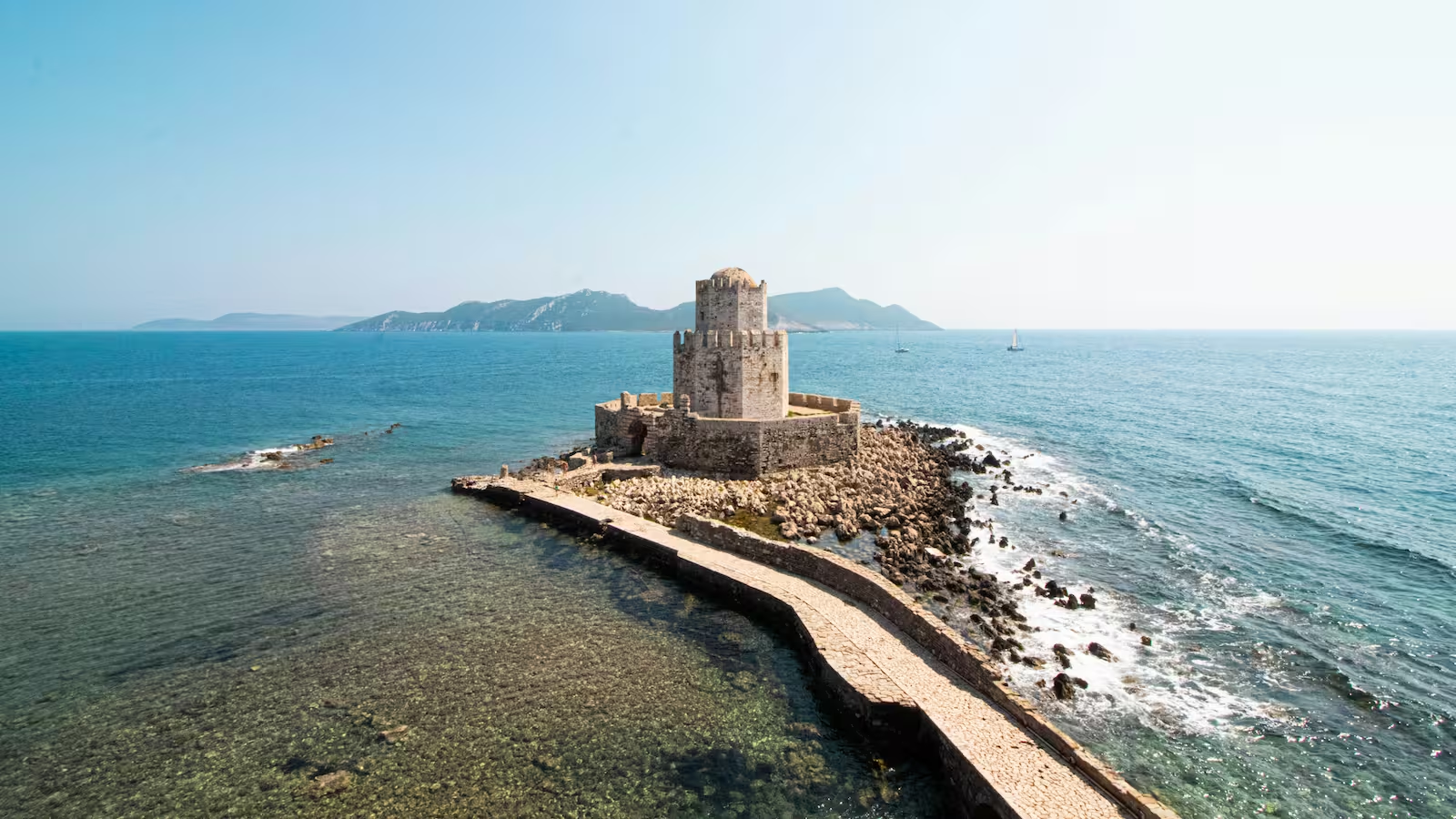
About 40 minutes south of Pylos, Methoni Castle occupies a low peninsula reached by a stone bridge. The fortress is largely Venetian in origin, and the octagonal Bourtzi tower on the rocks beyond it was added under Ottoman rule in the early sixteenth century. In the film the Bourtzi becomes the palace of Menelaus and Helen, where Telemachus goes looking for news of his father.
Methoni Castle is the easiest Odyssey film location to visit in Greece. It is open to the public for a small admission fee, and it usually closes on Tuesdays.
Acrocorinth
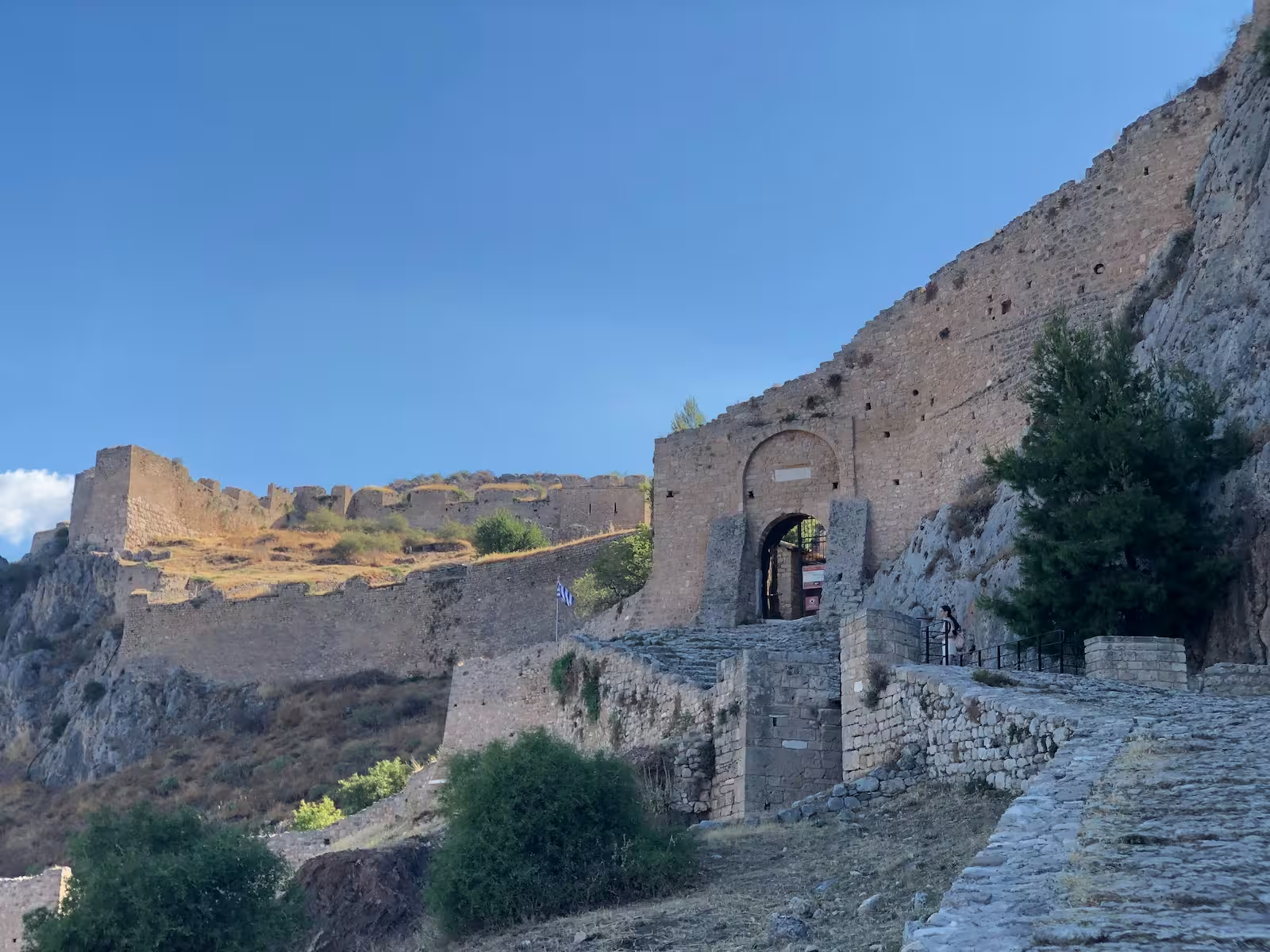
Roughly 190km northeast, the fortified hill of Acrocorinth above Corinth stands in for Mycenae in the flashbacks to Agamemnon's homecoming. Entry to the grounds is free. The paths are steep and uneven in places, so proper shoes matter more than they do at Methoni.
Turning it into a longer trip
Messenia works well as a base, and the region rewards a slower schedule. If you are already researching the best places to visit in Peloponnese Greece, the obvious additions are Ancient Olympia, the Byzantine hill town of Mystras near Sparta, the harbour town of Nafplio, the theatre at Epidaurus and the stone villages of the Mani peninsula. Kalamata International Airport is the closest arrival point for the southwest, though flying into Athens and driving gives you more flexibility.
Morocco
Morocco covers the film's earliest scenes, from the fall of Troy to the moment Odysseus puts to sea. Two sites carry most of it, and both sit within a few hours of Marrakech, which makes them easy to pair on the same trip.
Essaouira
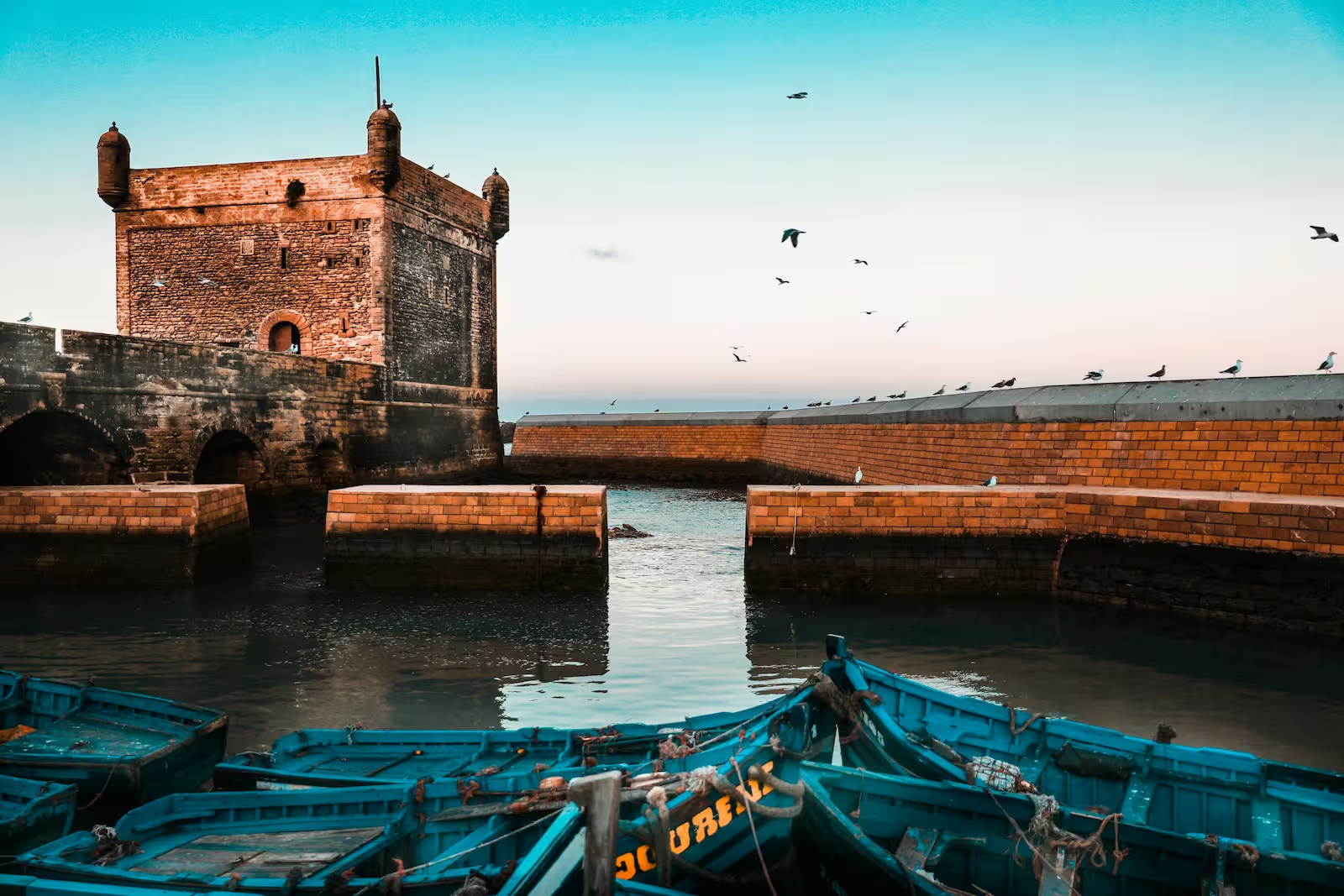
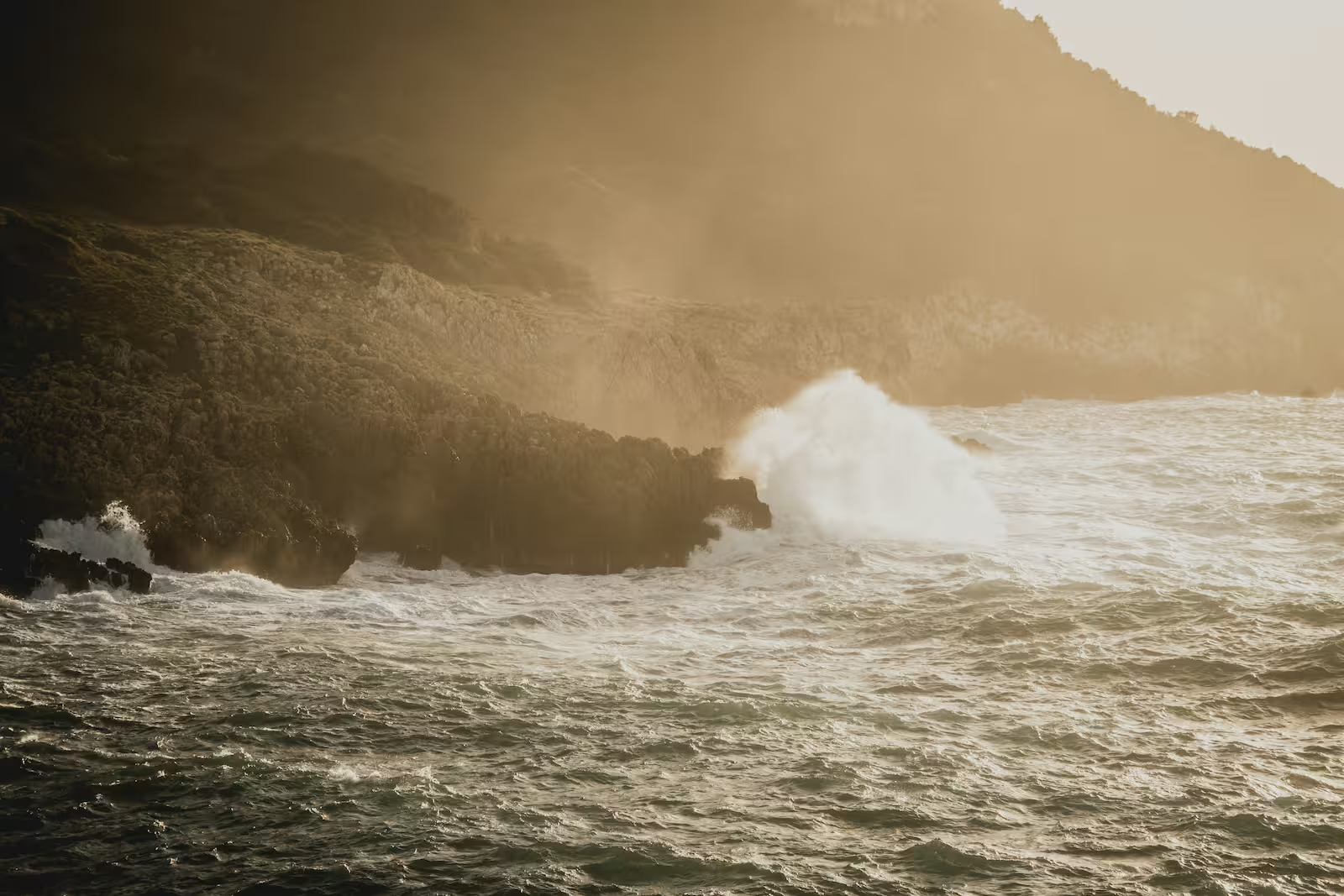
The film opens on the Atlantic coast. The beach at Essaouira, Morocco is where the Trojan horse is found half-buried in the sand, and where Odysseus later launches for home.
Essaouira sits about 190km west of Marrakech, roughly three hours by road, and buses run several times a day.
The town has a long screen history of its own. Orson Welles shot part of his 1949 Othello here, and the Skala de la Ville sea bastion appeared as Astapor in Game of Thrones. The eighteenth-century medina is a UNESCO World Heritage Site, and it is unusually easy to navigate compared with Marrakech or Fes. Wind is the defining feature of the place. April to June suits kitesurfers, while September and October bring calmer air and warm temperatures without the summer crowds.
Aït Benhaddou
Troy itself is the fortified ksar of Aït Benhaddou, about 185km southeast of Marrakech near Ouarzazate. The production added roughly 60 temporary structures to the site, including a pillared Temple of Athena and a set of city gates, covering around 2.5 acres in total. Aït Benhaddou has been a UNESCO site since 1987 and has already appeared in Lawrence of Arabia, Gladiator and Kingdom of Heaven. Parts of the city were also shot at Tahanaout, a market town south of Marrakech.
Italy
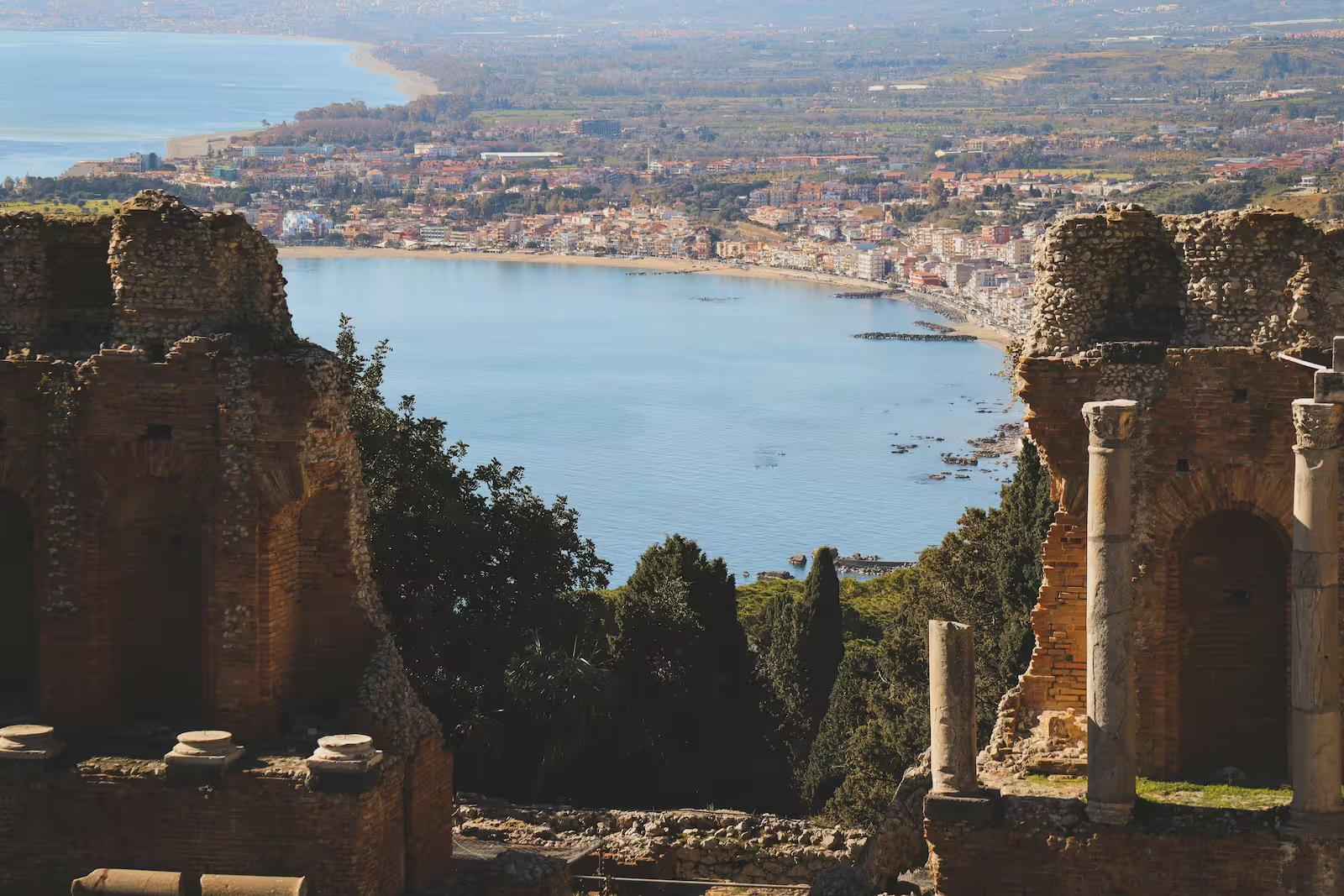
Penelope's palace on Ithaca is the ruined Castello di Santa Caterina, which crowns a hill on Favignana in the Egadi Islands off western Sicily. There was no permission to build an access road, so equipment went up by funicular and the cast and crew climbed on foot every day for two weeks. Visitors do the same. The ascent takes 30 to 45 minutes and is rocky in places. The palace interiors, by contrast, were built on a stage at Universal Studios Hollywood.
Scotland and Iceland: the colder half
Culbin Forest on the Moray Firth, about 40km northeast of Inverness, is where the crew meets the giant Laestrygonians, brought to life with forced perspective and wirework instead of CGI. Circe's house was built at Findlater Castle on the cliffs east of Cullen, set back from the ruin to protect the archaeology.
Iceland supplies the underworld. The black sands below Hjörleifshöfði, a headland east of Vík, were filmed in June under the midnight sun.
Throughout the shoot the ship was the Draken Harald Hårfagre, a full-scale Norwegian longship that sailed between coastal locations and was moored at Landeyjahöfn in Iceland.