The Himalayas have a reputation for being extreme, remote, and reserved for seasoned mountaineers with ice axes and nerves of steel. The reality in Nepal is very different. Trekking here is one of the most accessible ways in the world to experience high mountains, welcoming villages, and trails that feel both wild and deeply human. You don’t need technical climbing skills or years of experience. You just need time, patience, and a willingness to walk uphill more than you’re used to. This guide is written for beginners who want to trek in Nepal without feeling overwhelmed, underprepared, or completely out of place.
Why Nepal is the best place to start trekking in the Himalayas
Nepal has been welcoming trekkers for decades, and it shows. Trails are well-established, teahouses line popular routes, and entire communities are built around supporting travelers moving through the mountains. Unlike more remote Himalayan regions, trekking here doesn’t require carrying tents, food supplies, or complicated gear unless you choose to.
The country also offers an incredible range of options. You can walk through subtropical forests one day and snow-dusted villages the next, all while staying below technical climbing altitudes.
For beginners, that variety makes Nepal less intimidating and far more forgiving.
Choosing the right trek as a first-timer
The biggest mistake beginners make is choosing a trek based on name recognition rather than suitability. Nepal’s most famous routes are popular for a reason, but that doesn’t mean they’re all beginner-friendly in the same way.
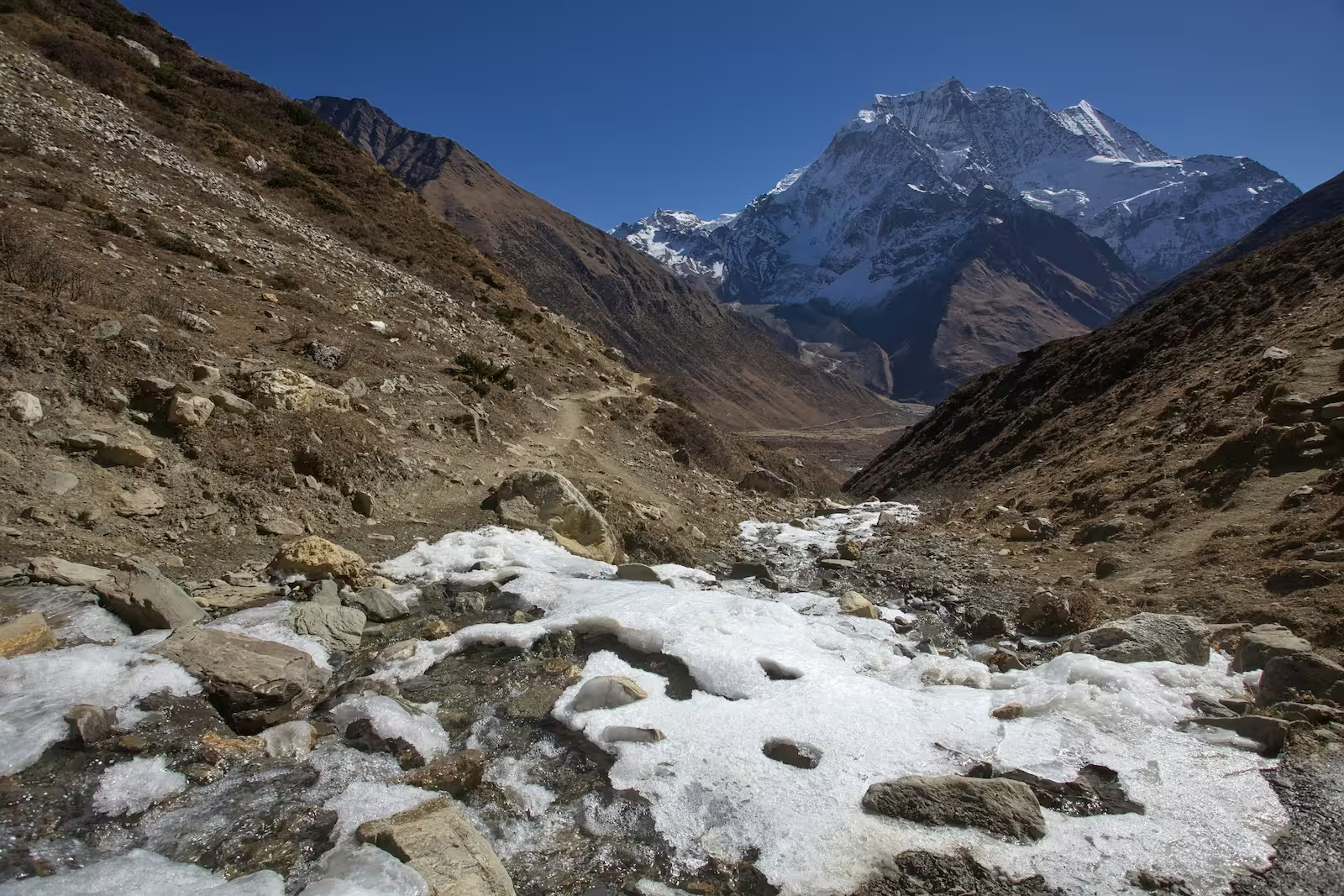
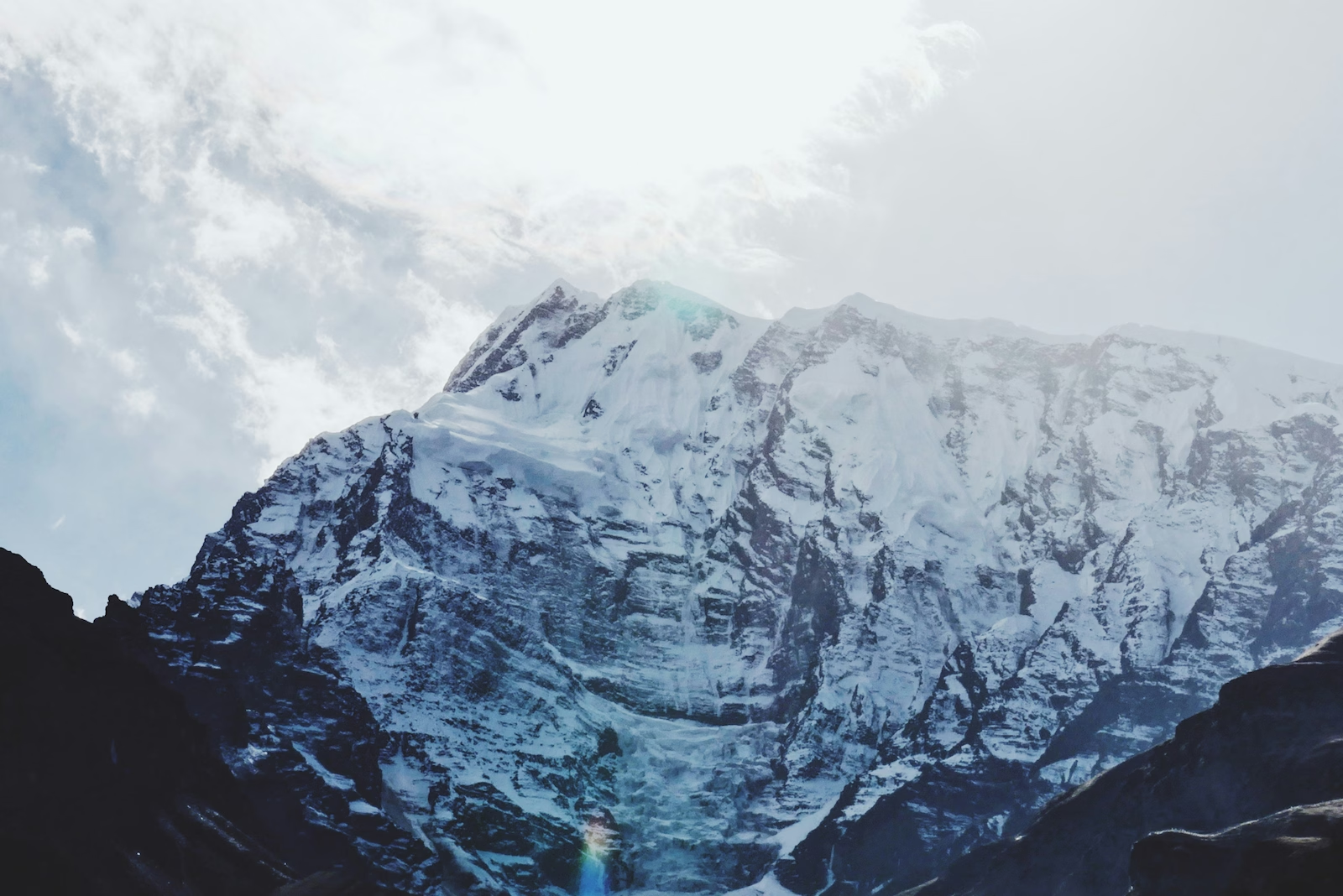
Shorter treks at moderate altitude allow your body to adjust gradually while still delivering dramatic scenery. Routes like the Annapurna region offer flexibility, side trails, and villages at regular intervals, which makes pacing easier. The Everest region is also accessible for beginners, especially if you take it slow and build in extra rest days.
The key isn’t how far you walk each day, but how well you allow yourself to adapt to altitude and terrain.
What trekking in Nepal is actually like
A typical trekking day starts early, not because anyone is rushing you, but because mornings are calm and clear. You’ll walk for several hours, stop for tea, pass through villages, and end the day by early afternoon. Afternoons are for resting, reading, chatting with other trekkers, or staring at mountains until you forget what day it is.
Teahouses are simple lodges run by local families. Rooms are basic but clean, meals are warm and filling, and the atmosphere is social without being overwhelming. You’re never truly alone on popular routes, which is comforting for beginners without feeling crowded.
Altitude: the part you should respect, not fear
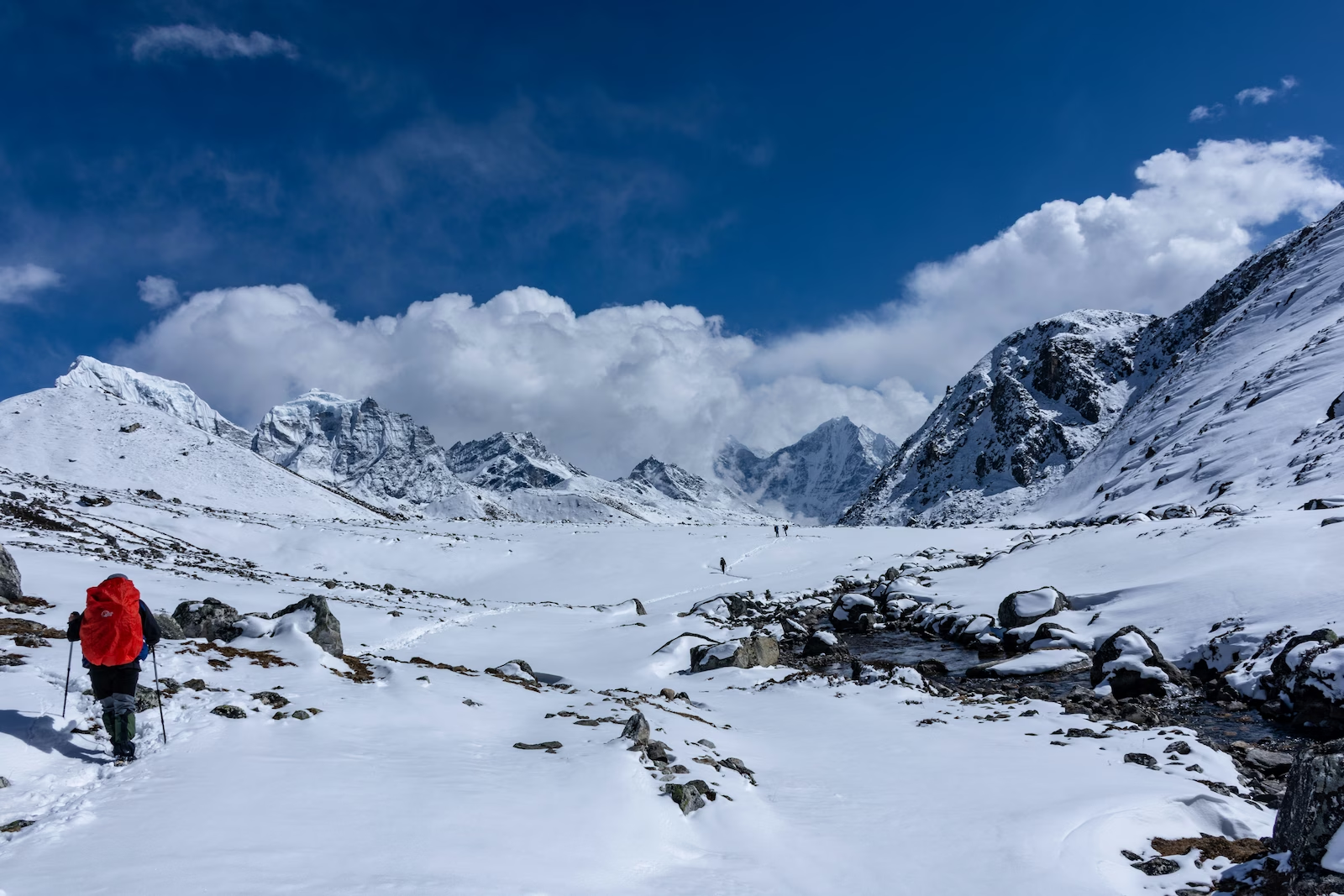
Altitude is the main challenge for first-time Himalayan trekkers, but it’s manageable with the right mindset. You don’t need to be fast or particularly fit—you need to be patient. Walking slowly, drinking plenty of water, and taking rest days seriously makes all the difference.
Nepal’s trekking culture is built around acclimatization. Routes naturally gain elevation in stages, and rest days are part of the experience, not a sign of weakness. Listening to your body is far more important than sticking to a rigid plan.
Do you need a guide or porter?
Nepal allows independent trekking on many routes, but hiring a guide or porter can make your first trek far more enjoyable. Guides handle navigation, permits, and local logistics, while porters carry the heavy load, allowing you to focus on walking and enjoying the landscape.
This also supports local employment and adds cultural depth to your experience. Many first-time trekkers find that having local support removes stress rather than limiting freedom.
When to go trekking in Nepal
Timing matters in the Himalayas. The most popular trekking seasons are spring and autumn, when skies are clear and temperatures are manageable. Spring brings blooming rhododendrons, while autumn offers crisp air and sharp mountain views.
Winter trekking is possible at lower elevations but colder and quieter. Monsoon season transforms the landscape into deep green but comes with rain, clouds, and leeches, which beginners usually prefer to avoid.
What fitness you actually need
You don’t need to be an athlete, but you should be comfortable walking several hours a day on uneven terrain. Stairs are a good benchmark—if you can handle lots of stairs without panic, you’re on the right track.
Trekking in Nepal is more about consistency than strength. Slow, steady days add up, and the pace naturally encourages breaks and rest.
.avif)
Food, water, and comfort on the trail
Food on trek is hearty and designed to fuel long days. Dal bhat, Nepal’s staple meal, becomes your best friend—it’s filling, warm, and endlessly refillable. Western options are available but become pricier at higher altitudes.
Drinking water is widely available, either boiled or treated, and most trekkers use purification tablets or filters. Comfort is simple but sufficient. Hot showers become rarer as you go higher, and electricity may be limited, but these small inconveniences fade quickly once the scenery takes over.
Cultural etiquette on the trail
Trekking in Nepal is also a cultural experience. Villages along the trail are real communities, not outdoor museums. Simple gestures like greeting people, dressing modestly, and respecting local customs go a long way.
Prayer wheels spin clockwise, monasteries are active places of worship, and patience is valued. Trekking here feels less like passing through and more like being temporarily welcomed into mountain life.



.avif)

.avif)