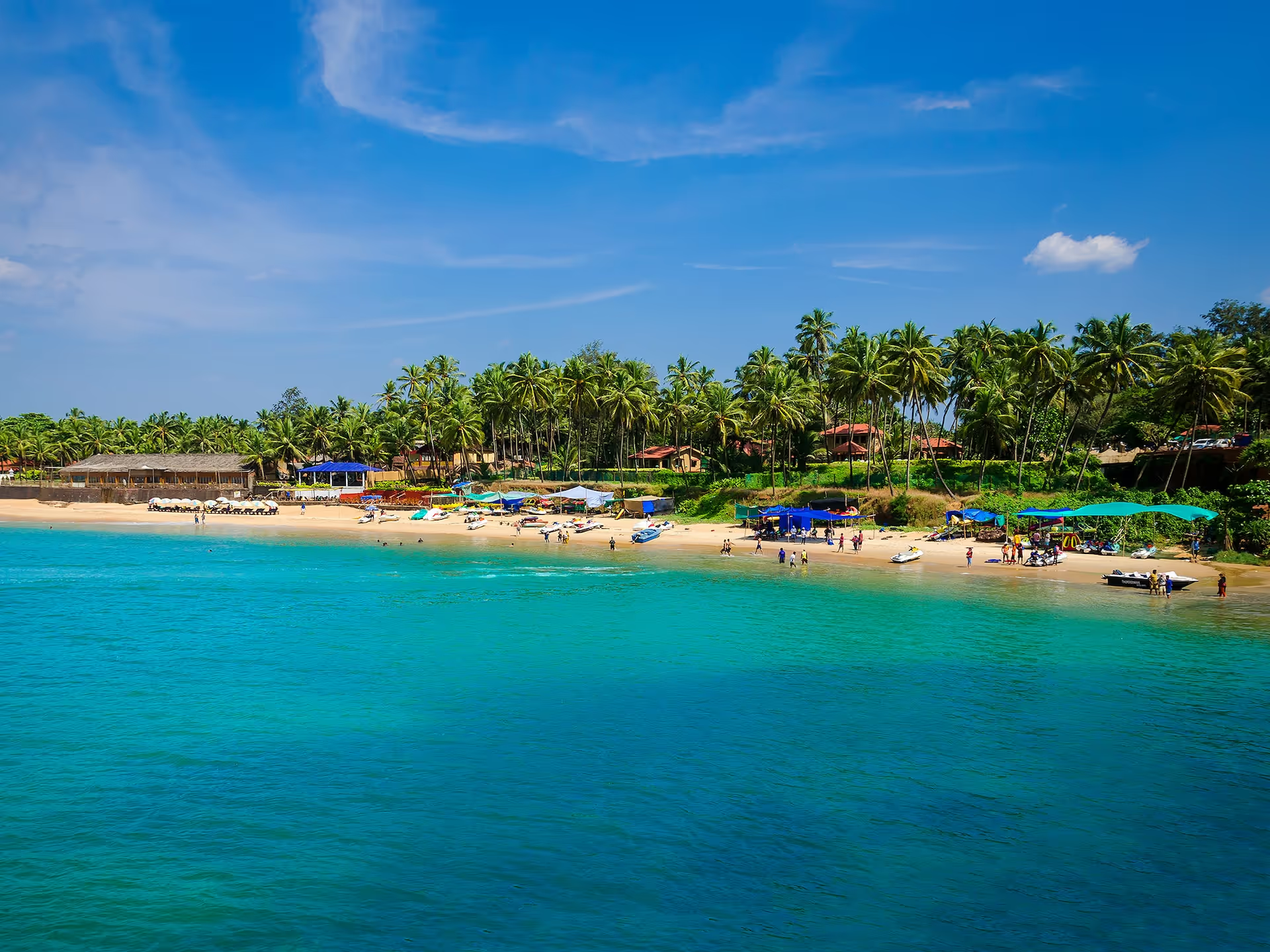
Goa often gets reduced to a single idea: beach shacks, nightlife, and backpacker hangovers. That version exists, but it’s only one layer of a much more interesting place. Goa is a former Portuguese colony with leafy villages, rivers instead of highways, spice-scented kitchens, and a pace of life that feels noticeably slower than the rest of India. Once you move away from the loudest stretches of sand, Goa reveals itself as a place that rewards curiosity and patience. This guide helps you understand where to go, how to get around, and how to enjoy Goa without falling into the usual traps.
Understanding Goa: North vs South
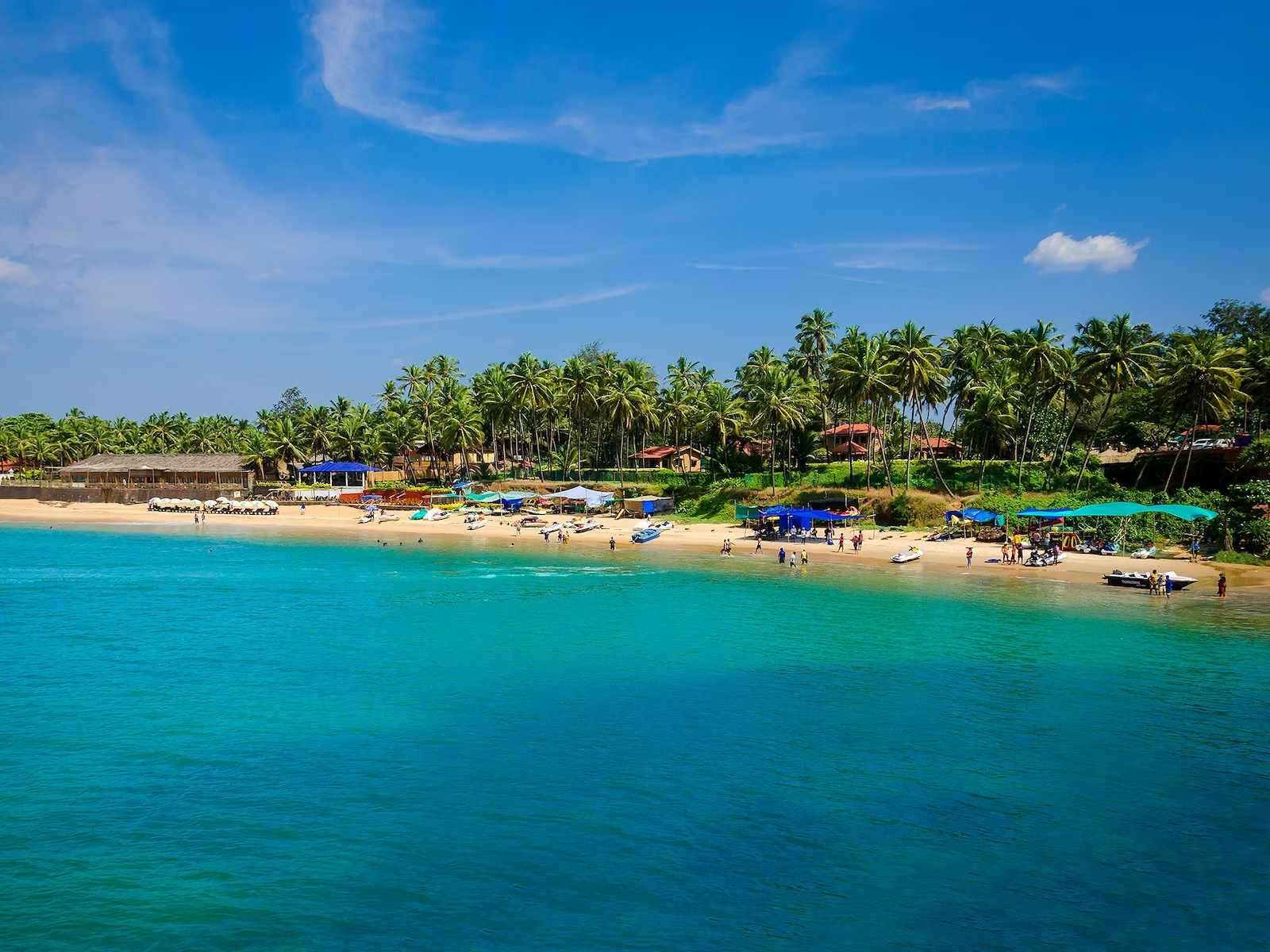
Goa is small, but it feels split into distinct personalities. North Goa is busier, louder, and more social. Beaches here are lined with cafés, bars, and markets, and it’s where most short-term travelers end up. South Goa moves at a calmer pace, with wider beaches, quieter villages, and fewer crowds.
Between the two, central Goa offers something else entirely: inland villages, forested backroads, riverbanks, and old Portuguese homes hidden behind palm trees. This is where daily life unfolds, and where many long-term visitors fall in love with the region.
Best Beaches in Goa
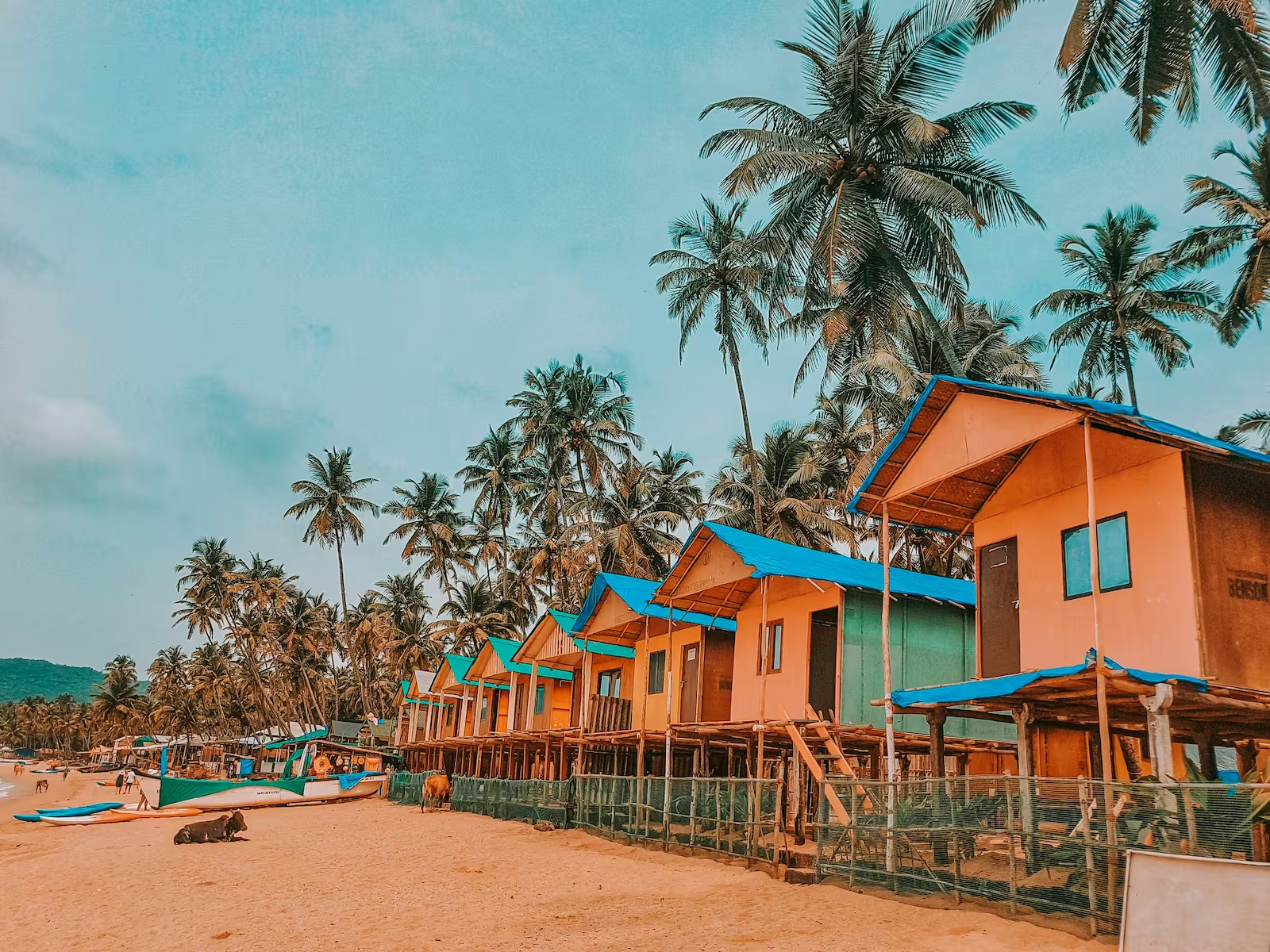
Goa’s beaches aren’t one-size-fits-all. Places like Anjuna and Baga are energetic and social, great if you like beach days that blend into nights out. Palolem and Agonda in the south are calmer, with crescent-shaped beaches and gentle swimming conditions. Ashwem and Mandrem offer a middle ground, attracting travelers who want good food, yoga mornings, and quiet evenings.
No matter where you go, sunsets tend to steal the show. Locals stop what they’re doing, travelers gather with drinks in hand, and for a moment, everyone agrees on something.
Food in Goa
Goan food deserves far more attention than it gets. Influenced heavily by Portuguese cooking, it features seafood, vinegar, coconut, and spice blends that are very different from what many people expect from Indian cuisine.
Fish curry rice is a daily staple, while dishes like pork vindaloo and xacuti show Goa’s colonial history in every bite. Beach shacks serve simple, fresh seafood, but the real magic often happens in family-run kitchens tucked away in villages. If someone invites you to eat at their home, say yes without hesitation.
Getting around
Goa isn’t built for fast travel, and that’s part of the charm. Roads wind through villages and palm groves, and distances take longer than expected. Renting a scooter is the most popular option, offering flexibility and freedom, though driving requires confidence and patience.
Taxis are widely available but can be expensive without pre-negotiation. Trains connect Goa to major Indian cities, and short trips along the coast are easy once you settle into one area rather than hopping constantly.
When to visit
The best time to visit Goa is between November and February, when the weather is dry and pleasant. This is also peak season, meaning higher prices and more visitors. March and April are hot but quieter, while the monsoon months transform Goa into a lush, green landscape with fewer tourists and dramatic skies.
Monsoon season isn’t ideal for swimming, but it’s perfect for slow travel, nature walks, and seeing a very different side of the region.
Who Goa Is Best For
Goa suits travelers who enjoy flexibility, beach time balanced with culture, and places that don’t demand constant sightseeing. It’s ideal for slow travelers, digital nomads, and anyone who prefers rhythm over rushing.
If you arrive expecting Goa to entertain you nonstop, you may miss the point. If you arrive willing to slow down, it quietly wins you over.
Some of Goa’s most memorable experiences happen away from the sand. Old churches and colonial buildings tell stories of centuries past, spice plantations offer insight into local agriculture, and rivers provide a peaceful alternative to the coast.
Walking through village lanes, watching fishermen mend nets, or stopping for chai at a roadside stall often becomes the highlight of the trip. Goa rewards those who wander without a strict plan.